


A Musical Phoenix: Javed Akhtar Reflects on the Poignant Comeback of R.D. Burman in ‘1942: A Love Story’
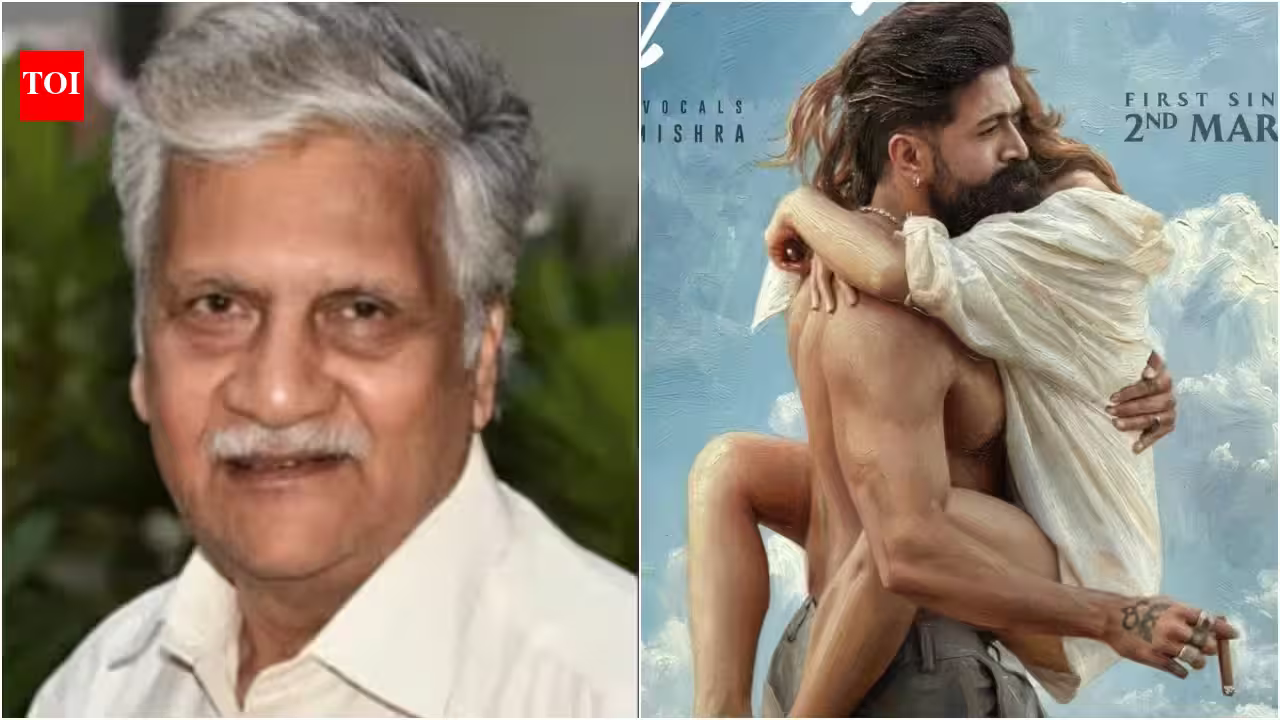
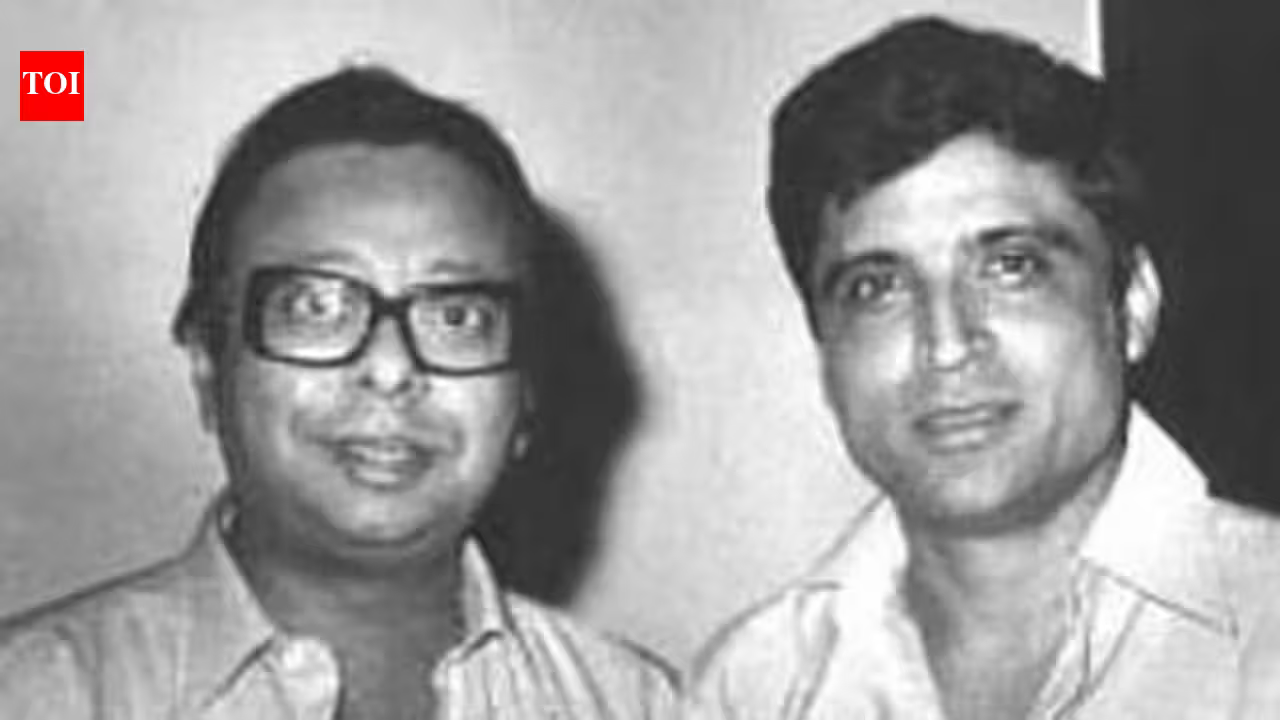
The 1994 romantic drama 1942: A Love Story remains a landmark in Indian cinema, not only for its evocative storytelling by director Vidhu Vinod Chopra but for a soundtrack that redefined an era. Recently, legendary lyricist Javed Akhtar opened up about the emotional and creative journey behind the film, shedding light on how it served as a bittersweet comeback for the iconic composer R.D. Burman.
A Career at the Crossroads
Before the success of the film, R.D. Burman—affectionately known as "Pancham Da"—was facing an incredibly difficult phase. In an interview with Variety India, Javed Akhtar revealed that the industry had largely turned its back on the maestro.
“His career was at an all-time low; people were not ready to hire him to compose music for their films. His closest friends had dropped him,” Akhtar shared. It was at this low point that Vidhu Vinod Chopra offered the composer a chance to create the score for 1942: A Love Story.
According to Akhtar, Burman was acutely aware of what this project meant for his professional legacy. “R.D. Burman was fully aware that this album would bring him back to the market,” the lyricist noted. Sadly, the composer passed away in January 1994, just months before the film’s release, never getting to witness the profound impact his final masterpiece would have on the public.
Defying the "Vulgar" Trend
During the early 90s, the Hindi film industry was largely dominated by a specific, often crass musical trend. Javed Akhtar admitted that while he was a sought-after writer, he frequently turned down projects that demanded "obscene" or "vulgar" content.
“I was rejecting a lot of films because of that,” Akhtar explained. “In my career, I wrote good things, bad things, but never obscene by any stretch of the imagination.”
He found a creative sanctuary in the partnership with Vidhu Vinod Chopra. The filmmaker gave Akhtar complete creative freedom, encouraging him to write genuine, heartfelt poetry rather than chasing market trends. This synergy between Chopra, Akhtar, and Burman allowed for a collection of songs that felt poetic, sophisticated, and distinctly different from the era’s mainstream offerings.
A Milestone for Cinema
Reflecting on the risk taken by the production, Akhtar praised Chopra’s audacity. “There was only one mad man like Vidhu who could have taken it because the trend was completely opposite,” he said. The music of the film proved that audiences were starved for quality, effectively pushing back against the proliferation of double-meaning songs.
For Akhtar, the album was a form of vindication—a testament to Burman’s genius that finally silenced the doubters. “The album actually showed the world who R.D. Burman was,” he concluded.
As audiences continue to cherish the timeless melodies of the film, it serves as a powerful reminder of the artistic integrity that went into its creation. For those looking to relive the magic on the big screen, the film is set to return to theaters in a restored 8K version on August 21, 2026.
To read more about these behind-the-scenes reflections, you can explore the detailed account of Javed Akhtar’s memories here.