









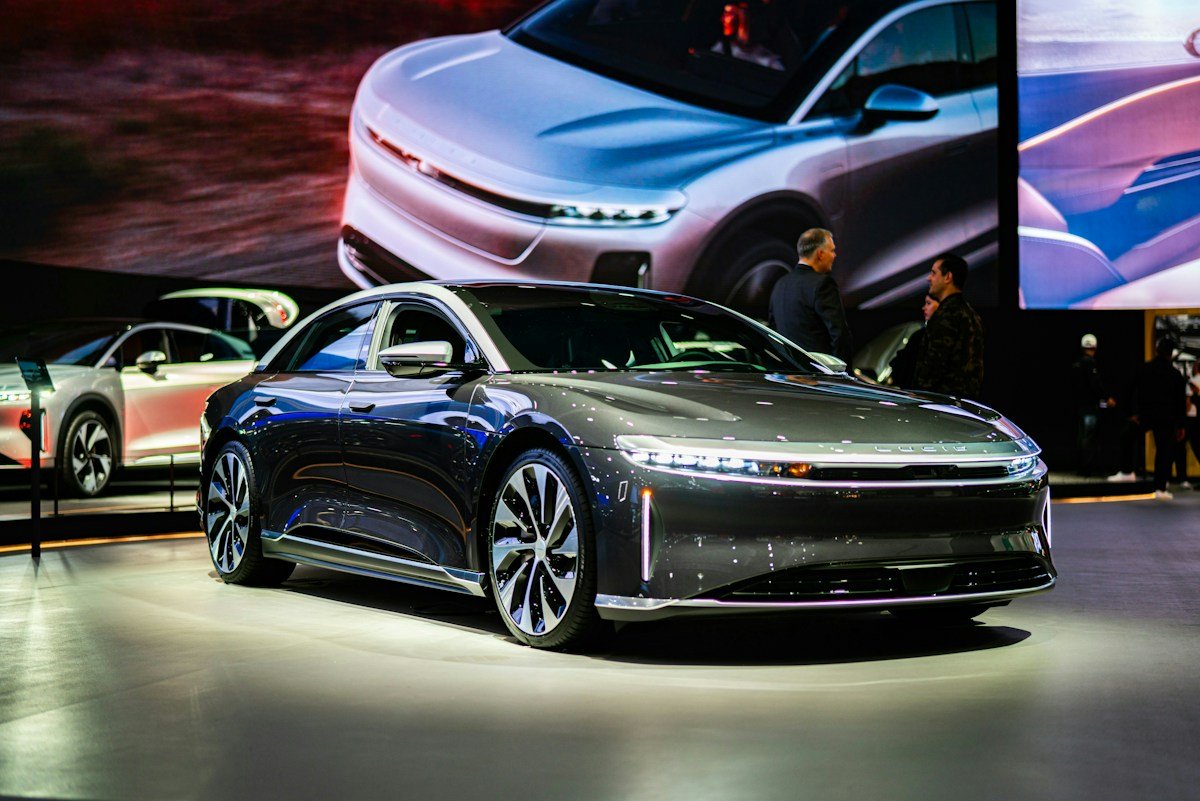
The global automotive industry is facing a paradox: as the world transitions to electric vehicles to combat climate change, those same vehicles are becoming increasingly heavy—a phenomenon experts are calling “autobesity.” In China, the world’s largest market for electric vehicles, this trend has accelerated rapidly. By early 2026, the average EV sold in the country weighed nearly two tonnes, a staggering 27.5% increase from 2020. Some high-end SUVs have even breached the three-tonne mark, rivaling the mass of light-duty trucks.
The Mechanics of Mass: Technology and Consumer Demand
The driving force behind this weight gain is a combination of consumer appetite and technological over-engineering. Modern buyers are demanding longer ranges, superior comfort, and high-tech features. To satisfy the need for greater range, manufacturers are installing massive batteries, with capacity jumping from early standards of 40 kWh to 100 kWh today. A 100 kWh battery pack alone can weigh upwards of 600 kg.
Furthermore, the integration of advanced technology—such as Lidar, millimetre-wave radar, and high-performance computing platforms—adds significant weight. These sophisticated systems require robust cooling and power management, further complicating the vehicle’s architecture. This creates a “mass spiral” where a heavier battery necessitates a reinforced chassis, more powerful brakes, and larger, more durable tires. Manufacturers are also stuffing mid-range cars with luxury amenities like air suspension, double-glazed windows, and in-car refrigerators, exacerbating the trend.
Environmental Costs and the Emissions Gap
While EVs produce no tailpipe emissions, their lifecycle environmental impact is heavily influenced by the sheer amount of material required to build them. According to industry experts, up to 70% of a vehicle’s lifetime carbon footprint is generated upstream during the production of steel, aluminum, and battery minerals.
Heavier cars require more of these carbon-intensive materials. Research indicates that while a small EV can offset its manufacturing carbon debt after only 2,500 km of driving, a large electric SUV may need to travel between 54,000 and 140,000 km before it can truly be considered greener than a traditional combustion engine vehicle. Additionally, increased weight leads to higher rates of non-exhaust emissions, such as particulate matter shed from heavy-duty tires and brake pads, which negatively affects urban air quality. The physical toll on infrastructure is also significant, with some estimates suggesting a 20% increase in vehicle weight can double the rate of road surface degradation.
Policy Shifts and the Road to Lightweighting
To address these challenges, China and other global regulators are tightening their stance on automotive energy efficiency. New national standards now explicitly link a vehicle’s weight to its electricity consumption, discouraging the industry practice of simply adding larger batteries to mask poor energy efficiency.
Industry leaders are now turning to advanced engineering to reverse the trend. Techniques like “gigacasting”—which involves molding massive vehicle sections as a single piece to reduce component count—are becoming standard. Engineers are also prioritizing the use of recycled aluminum and high-strength, low-carbon steel to trim weight without compromising safety.
Ultimately, experts argue that changing consumer behavior is the final piece of the puzzle. Without transparent data regarding a vehicle’s total lifetime carbon footprint, buyers remain focused on luxury features rather than environmental efficiency. Experts like Cui Dongshu, secretary-general of the passenger vehicle sub-committee at the Chinese Automobile Dealers Association, have suggested that tiered taxation based on vehicle weight could push both manufacturers and consumers toward smaller, lighter, and more sustainable models. As the EU and other markets implement stricter carbon border adjustments, the ability to produce lightweight, low-emission vehicles is set to become the defining competitive advantage for the next generation of global automakers.
Disclaimer: This content is auto-generated for informational purposes only.
Source: Read Original News