Moscow:
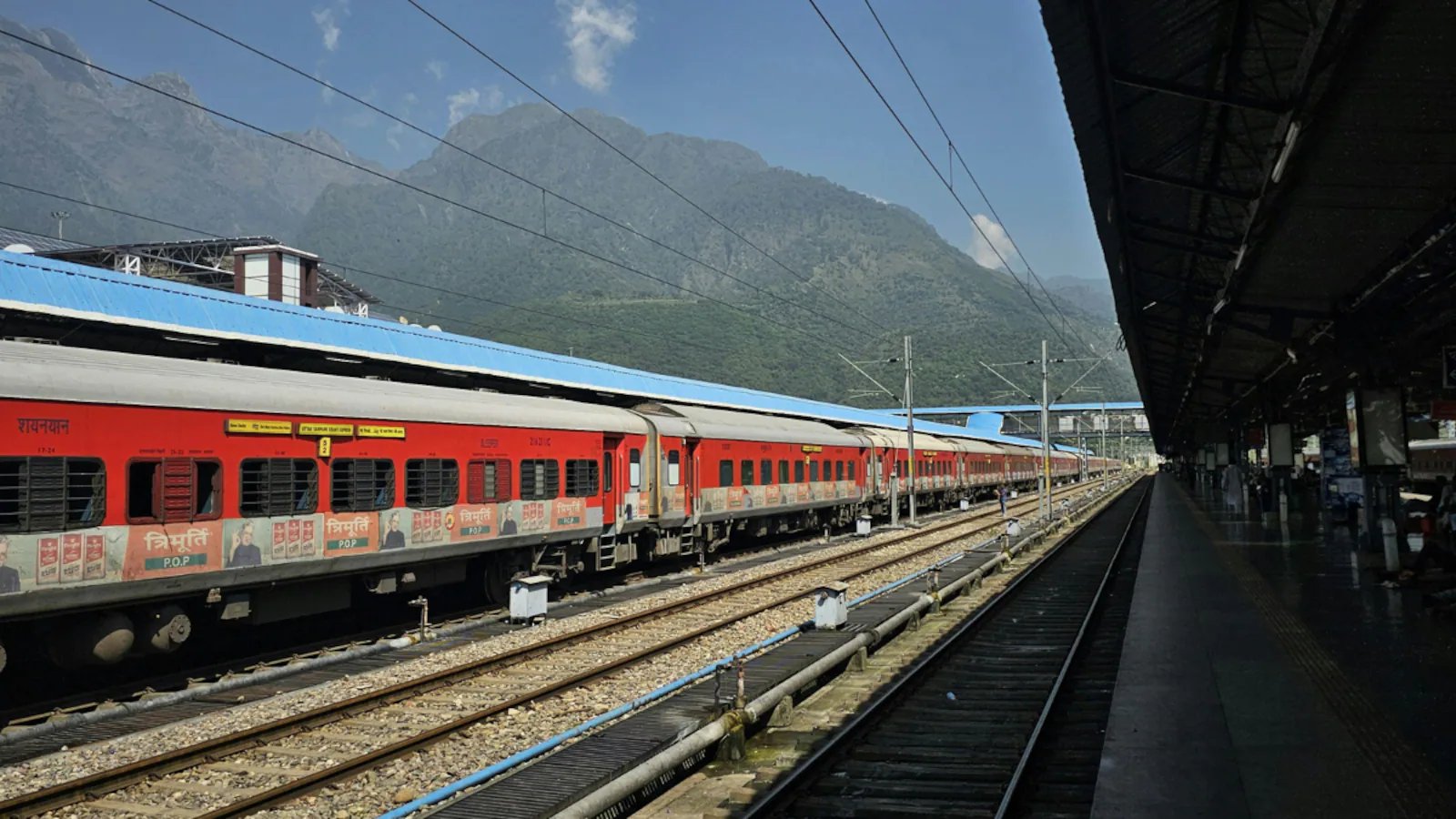
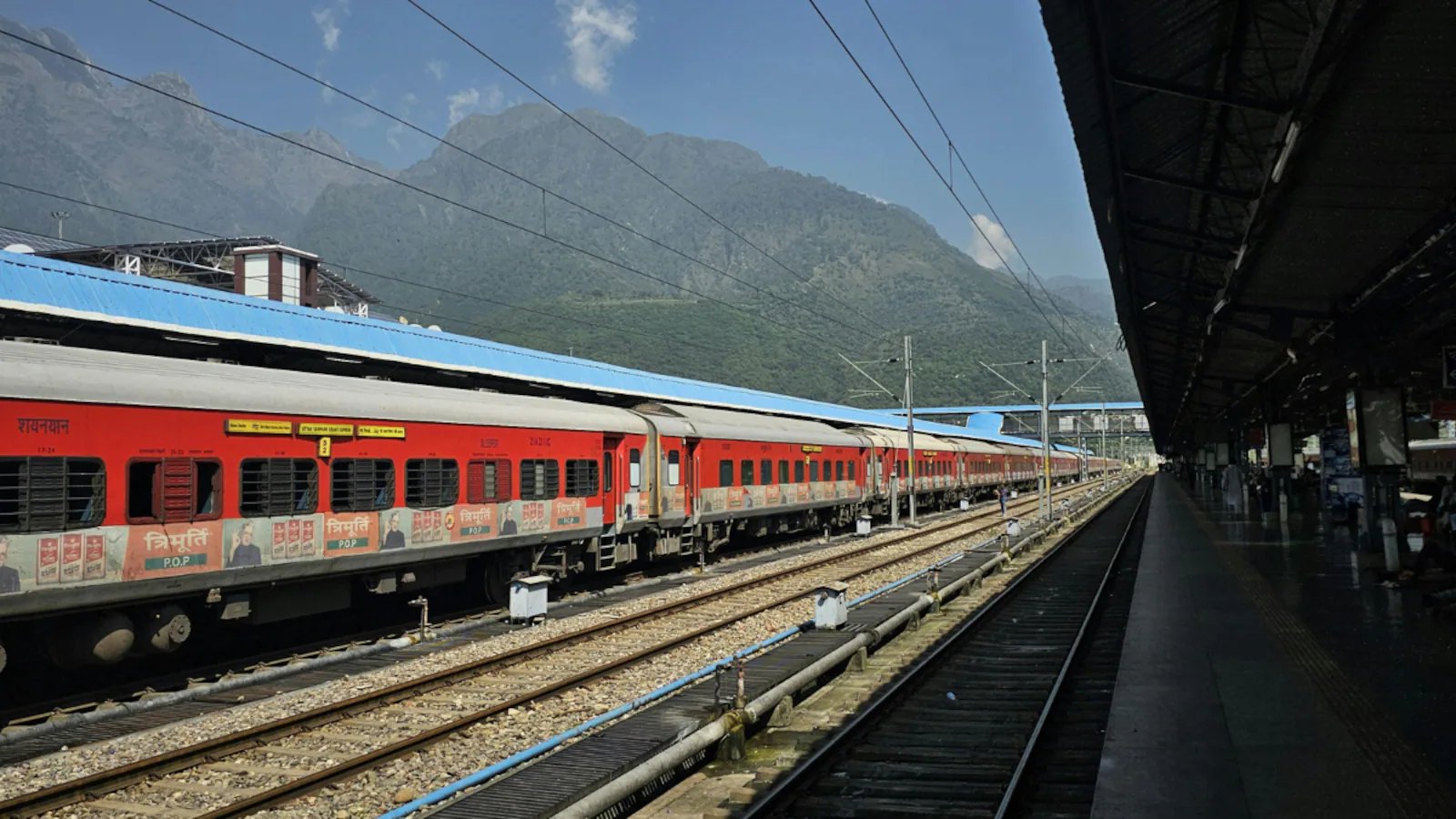
Russia should investigate the viability of constructing a direct railway connection to the Indian Ocean, a strategic move aimed at mitigating transit vulnerabilities associated with the Bosphorus and the Strait of Hormuz, as stated by Russian Deputy Prime Minister Marat Khusnullin in an interview with TASS news agency.
Elaborating on potential pathways, Khusnullin indicated that alternative transit corridors could traverse Turkmenistan, Iran, Afghanistan, and Pakistan. He underscored that any route facilitating connectivity to India would be deemed acceptable. If realized, this proposed network would establish direct overland rail freight access between Russia and India.
“The exploration of a rail link to the Indian Ocean is imperative. Risks pertaining to the Bosphorus and the Strait of Hormuz necessitate consideration of alternative routes, potentially through Turkmenistan, Iran, Afghanistan, and Pakistan. All options that provide access to India are considered viable,” Khusnullin was quoted saying by TASS.
This proposal for diversified trade routes emerges amidst heightened maritime instability in the Strait of Hormuz, following armed confrontations involving the United States, Israel, and Iran.
On February 28, joint military operations were conducted against Iran, targeting significant urban centers, including Tehran. In retaliation, Iran’s Islamic Revolutionary Guard Corps (IRGC) launched missile and drone attacks against Israeli positions and U.S. military installations across Bahrain, Jordan, Iraq, Qatar, Kuwait, the UAE, and Saudi Arabia.
Consequently, Tehran declared a maritime blockade of the Strait of Hormuz, targeting vessels associated with the U.S., Israel, and their allied nations involved in the operations against Iran. This critical chokepoint is responsible for approximately 25 percent of global oil trade and nearly 20 percent of worldwide liquefied natural gas (LNG) shipments.
Beyond international logistics, Khusnullin also addressed Russia’s domestic economic landscape, emphasizing the need for sustained, long-term financial support for the country’s construction sector.
He noted that the domestic building industry currently possesses the capacity to absorb an additional one trillion rubles annually. “The construction industry is already equipped to handle an extra one trillion rubles each year. However, if such a volume were secured for the next five years, it would enable capacity expansion and foster even greater construction activity,” he added.
(Disclaimer: This article, excluding the headline, is presented as syndicated content and has not undergone editorial review by NDTV staff.)