








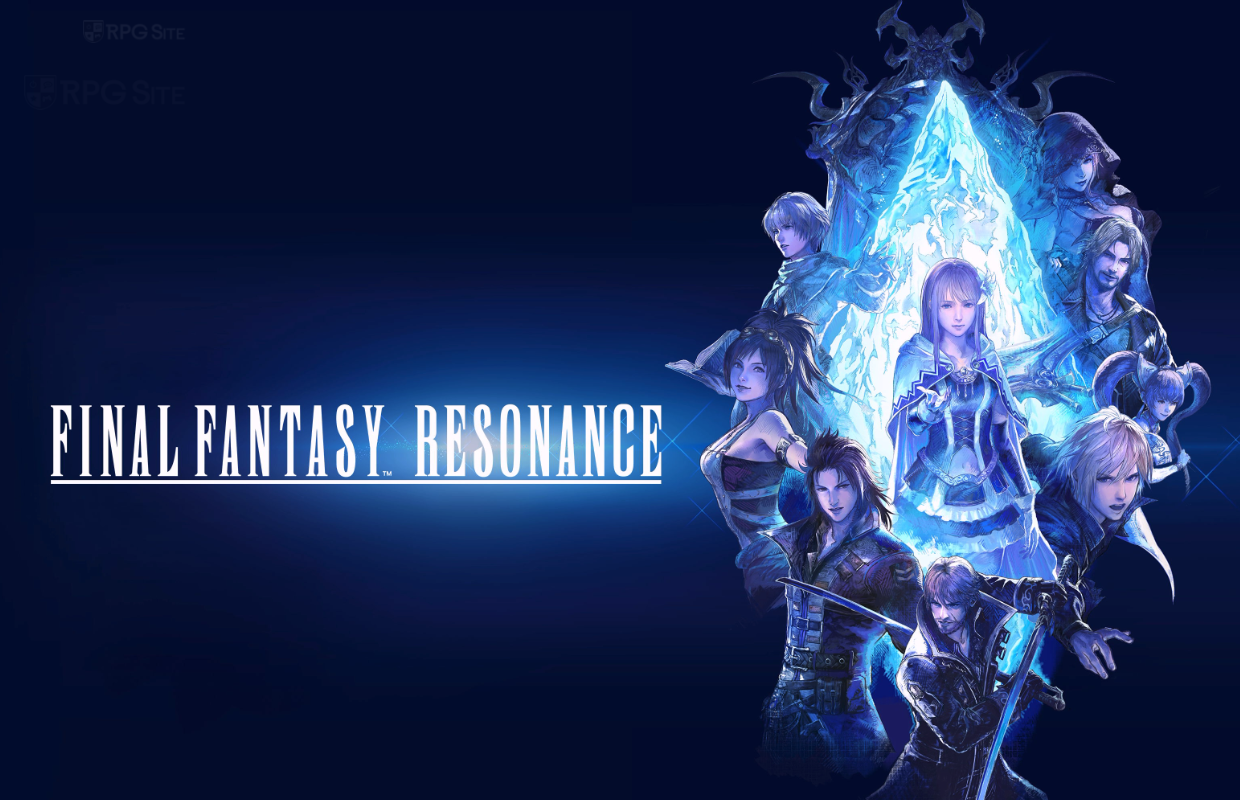
Square Enix has officially released a free demo for Final Fantasy Resonance across all major gaming platforms, providing an early look at the latest entry in the company’s signature HD-2D aesthetic. As the title approaches its October 22 launch date, early performance analysis reveals a significant technical leap for the developer’s output on Nintendo hardware, particularly when comparing the legacy Switch against the new Switch 2.
Performance on Nintendo Hardware
Testing the Switch 1 version of the demo on the original Switch console reveals the typical compromises expected of the aging hardware. While the game remains playable, it exhibits standard visual cutbacks, including sub-native resolutions, noticeable shimmering during movement, and a handful of post-processing reductions. Frame rate stability is inconsistent, with drops occurring below the 30fps target in more complex environments and during intensive cut-scenes.
The experience improves when running the Switch 1 version on the Switch 2 via boost mode, providing a steadier frame rate, though it remains locked to 30fps. The most substantial upgrade, however, is reserved for the native Switch 2 version of the game. It delivers a crisp, stable visual presentation that avoids the technical hurdles seen in previous HD-2D titles like Octopath Traveler 0. While load times on the Switch 2 are slightly longer than those observed on the PlayStation 5 or high-end PC builds, the native performance serves as a testament to the hardware’s capabilities.
Comparative Analysis: Switch 2 versus PlayStation 5
When placed alongside the PlayStation 5 version, the Switch 2 iteration of Final Fantasy Resonance stands out as a highly capable port. While the PS5 version—tested here on the PS5 Pro—benefits from higher-fidelity textures, improved shadow mapping, and superior ambient occlusion, the differences are incremental rather than transformative.
The heavy use of post-processing effects across all platforms helps mask the hardware disparities, making the Switch 2 version a compelling alternative. For many users, the mobility afforded by the Switch 2 platform outweighs the marginal fidelity gains found on the stationary console. Although the Switch 2 version exhibits some visible dithering in specific environmental assets, the overall polish makes this release a standout for the HD-2D genre, arguably the most refined implementation seen to date.
Portable Benchmarking: Steam Deck and ROG Ally
For those looking to play on PC-based handhelds, the performance metrics vary based on hardware configurations. On the Steam Deck, the high preset generally maintains a frame rate above 60fps, though minor dips into the 50s occur during intense particle sequences, such as magical spell animations. To achieve a perfectly locked 60fps, adjusting settings to a hybrid of medium and high presets is recommended.
The ROG Ally showcases the overhead of more robust mobile silicon, consistently delivering frame rates near 100fps at 1080p. The inclusion of Variable Refresh Rate (VRR) on the Ally screen effectively mitigates any minor frame timing inconsistencies during high-action sequences. Both devices provide a premium portable experience, though the Switch 2 native version remains a highly competitive contender in this space due to its optimization.
Technical Considerations and User Interface
While the technical performance of Final Fantasy Resonance is largely impressive, there are areas that highlight potential for future refinement. A primary point of contention is the typography used throughout the game’s menus and dialogue boxes. The current font appears somewhat disconnected from the overall aesthetic of the world, lacking the stylistic cohesion seen in other interface elements. While not as disruptive as the font issues encountered during the initial launch of the Pixel Remaster series, it remains a notable flaw.
There is currently no upgrade path for players transitioning between the Switch 1 and Switch 2 versions. Those who intend to play on the go while maintaining the highest visual quality must invest in the native Switch 2 game-key card rather than relying on backwards compatibility features.
Final Perspectives Ahead of Launch
Final Fantasy Resonance represents a significant milestone for Square Enix’s technical development team. By addressing the performance inconsistencies that plagued earlier HD-2D releases, the developers have created a title that scales effectively from the Switch 2 to the most powerful consoles.
As the October 22 release date approaches, players across PlayStation 5, Xbox Series X|S, Nintendo Switch, and PC have a clear path to evaluate the title via the available demo. Future testing will further explore the performance on the Xbox Series X and the impact of potential day-one patches, which may resolve the minor font and load-time concerns identified in this early build. As it stands, the demo suggests a polished, stable, and visually striking experience regardless of the chosen hardware.
Disclaimer: This content is auto-generated for informational purposes only.
Source: Read Original News