A proposal to develop Northfleet Harbourside, a major regeneration project on a 20ha waterfront site in Gravesend, Kent, has been refused due to the risk of “chronic exposure to toxic lead”.
The scheme was led by Northfleet Harbourside Development Company. NCE previously reported the estimated cost of the project was £40M.
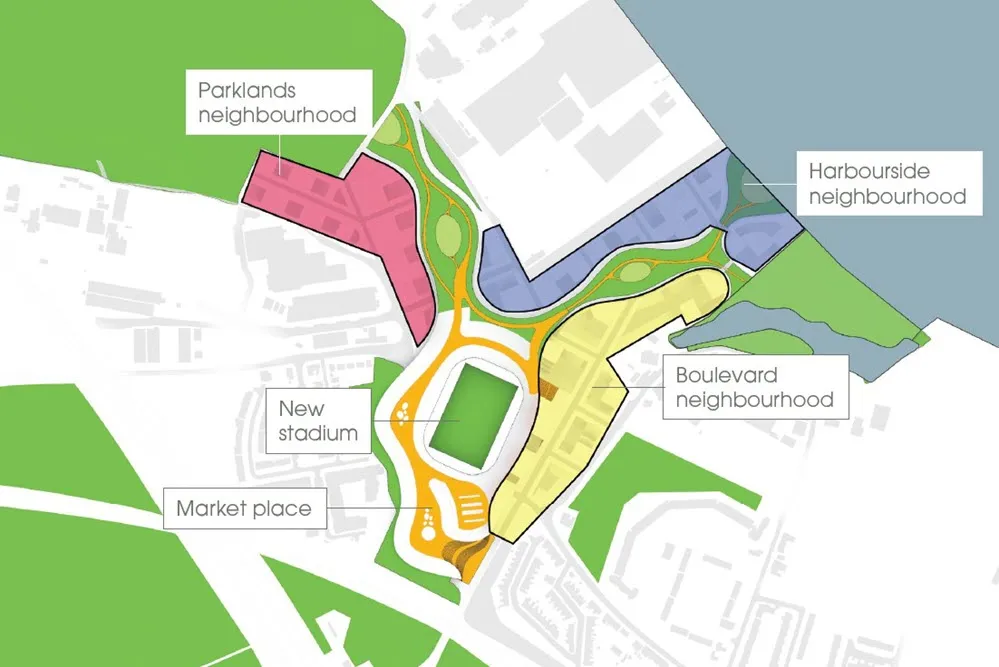
The masterplan, designed by UN Studio, C+W O’Brien Architects and HLM, proposed a mixed-use community site featuring 3,500 new homes, a new 8,000-capacity stadium for Ebbsfleet United FC , 14,000m² of office space, a 300-bed hotel and various retail and park facilities.
It was estimated the development would create approximately 3,000 jobs during and after construction.
The scheme secured planning permission from Gravesham Borough Council in April 2024.
However, a 214-page report by the Ministry of Housing, Communities and Local Government (MHCLG), published 30 July, rejected the proposal on health grounds, the loss of Robins Wharf and the overall “concerns over deliverability and viability”.
“There is no clear developer on board with any track record on housing delivery, nor any clear indication that there is a realistic prospect of the delivery of the proposed 3,500 housing units would come forward in the near future,” said an inspector’s report (cited by the MHCLG).
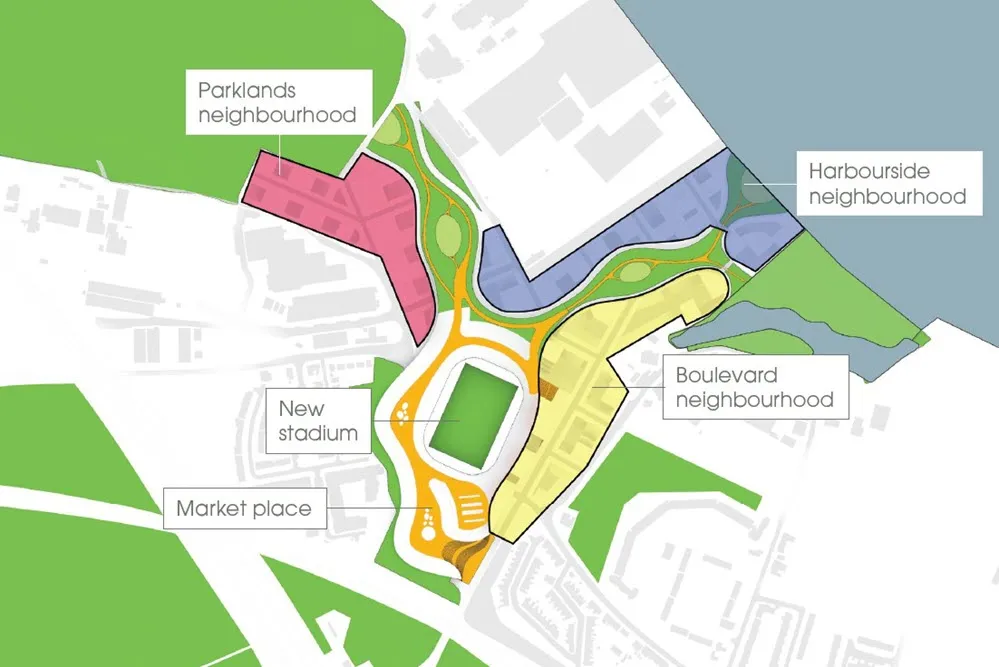
Overview of proposed Northfleet Central site
Health concerns related to “air-borne lead pollution arising from the nearby” Britannia Refined Metals, “one of Europe’s largest lead refineries,” said the report.
“These are levels of onsite lead pollution which the workers at the refinery wear mechanical ventilation helmets and overalls whilst on site, and have regular blood tests in order to mitigate the risk to them,” the report said.
“The proposal would introduce in the region of 7,000 residents into a highly toxic living environment.”
It said residents and other users of the development “will be put at unacceptable risk from unacceptable levels of air and soil pollution” and there was “no credible plan to improve air quality or provide mitigation”, by the applicant.
The report concluded: “The adverse impacts of granting permission would significantly and demonstrably outweigh the benefits when assessed against policies in the Framework taken as a whole.”
Concerns were also raised by Port of London Authority and Kent County Council over the potential loss of Robins Wharf, a safeguarded minerals wharf and a critical site for river-borne freight and aggregates.
“No alternative provision has been provided and the loss of this safeguarded wharf is very likely to result in adverse economic impacts on the Kent, London and South East construction and infrastructure industries.
“The loss of the safeguarded wharf is sufficient in itself to refuse permission in this case.”
Northfleet Harbourside Development Company has been approached for comment.
Like what you’ve read? To receive New Civil Engineer’s daily and weekly newsletters click here.