






Geopolitical Balancing Act: India Navigates Diplomatic Thaw with China Amidst Renewed Pakistan-Beijing Cooperation
New Delhi is currently engaged in a high-stakes diplomatic maneuver, attempting to recalibrate its volatile relationship with Beijing while simultaneously addressing a strategic realignment involving Pakistan. As India and China explore pathways to stabilize their long-contested Himalayan frontier, the geopolitical landscape in South Asia is becoming increasingly complex due to deepening ties between China and Pakistan in disputed territories.
The Push for Stability Along the LAC
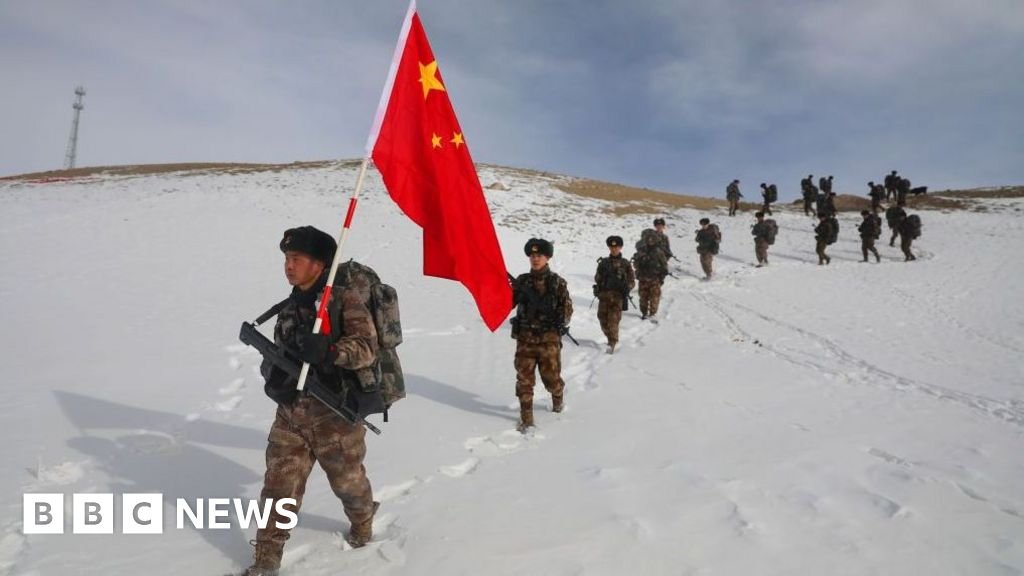
After years of heightened military friction and a series of standoffs along the Line of Actual Control (LAC), both New Delhi and Beijing appear to be signaling a desire for de-escalation. The border tensions, which reached a breaking point following the 2020 Galwan Valley clash, forced both nations to amass thousands of troops, heavy artillery, and sophisticated surveillance infrastructure along the high-altitude frontier.
Recent bilateral engagements suggest a move toward incremental normalization. Diplomats and military commanders have been conducting regular dialogues aimed at disengaging forces in critical friction points. For India, the objective is to establish a predictable security environment that allows for domestic economic growth without the constant threat of border skirmishes. However, the process remains slow and fragile, with deep-seated mistrust hindering any immediate breakthrough in permanent boundary resolution.
The Strategic Challenge of the China-Pakistan Axis
While the LAC remains a point of intense focus, India’s security establishment is simultaneously monitoring the evolving “all-weather friendship” between Beijing and Islamabad. Concerns in New Delhi have intensified as China deepens its infrastructural and military footprint in regions that India views as integral parts of its sovereign territory, particularly within the framework of the China-Pakistan Economic Corridor (CPEC).
The expansion of these projects—which traverse disputed regions—is seen by Indian policymakers as a direct challenge to its regional security architecture. By aligning closely with Islamabad, Beijing is effectively flanking India on both its western and northern fronts. Analysts argue that this two-front pressure is a calculated move by Beijing to keep India preoccupied with border management, thereby limiting New Delhi’s ability to exert influence in the broader Indo-Pacific theater.
India’s Strategic Outlook
India’s current approach is defined by a “multi-alignment” strategy. By maintaining open diplomatic channels with China, New Delhi aims to minimize the risk of accidental escalation. Simultaneously, it is fortifying its own border infrastructure and enhancing its naval capabilities to ensure that its defensive posture remains robust regardless of any temporary diplomatic thaw.
Furthermore, India is increasingly looking beyond its immediate borders, strengthening ties with Quad partners and other regional powers to ensure a balance of power in Asia. By diversifying its strategic partnerships, New Delhi is attempting to signal that it will not be coerced by the combined regional objectives of China and Pakistan.
Ultimately, the stability of the Himalayan frontier remains a pivotal concern for Asian security. While the nascent efforts to stabilize the LAC offer a glimmer of optimism, the long-term reality is that India must navigate a landscape where its primary rivals are coordinating their efforts more closely than ever. Whether the current diplomatic overtures between New Delhi and Beijing can withstand the pressures of this broader geopolitical rivalry remains the defining question for the region’s stability in the coming decade.
Disclaimer: This content is auto-generated for informational purposes only.
Source: Read Original News