




In a significant diplomatic maneuver, the United States sought to establish a clandestine communication channel with Iran’s influential Islamic Revolutionary Guard Corps (IRGC) in mid-May, driven by a desire for clarity amidst ongoing direct talks. The Trump administration aimed to ascertain whether official Iranian negotiators, namely Parliament Speaker Mohammad Bagher Ghalibaf and Foreign Minister Abbas Araghchi, genuinely represented the military’s stance.
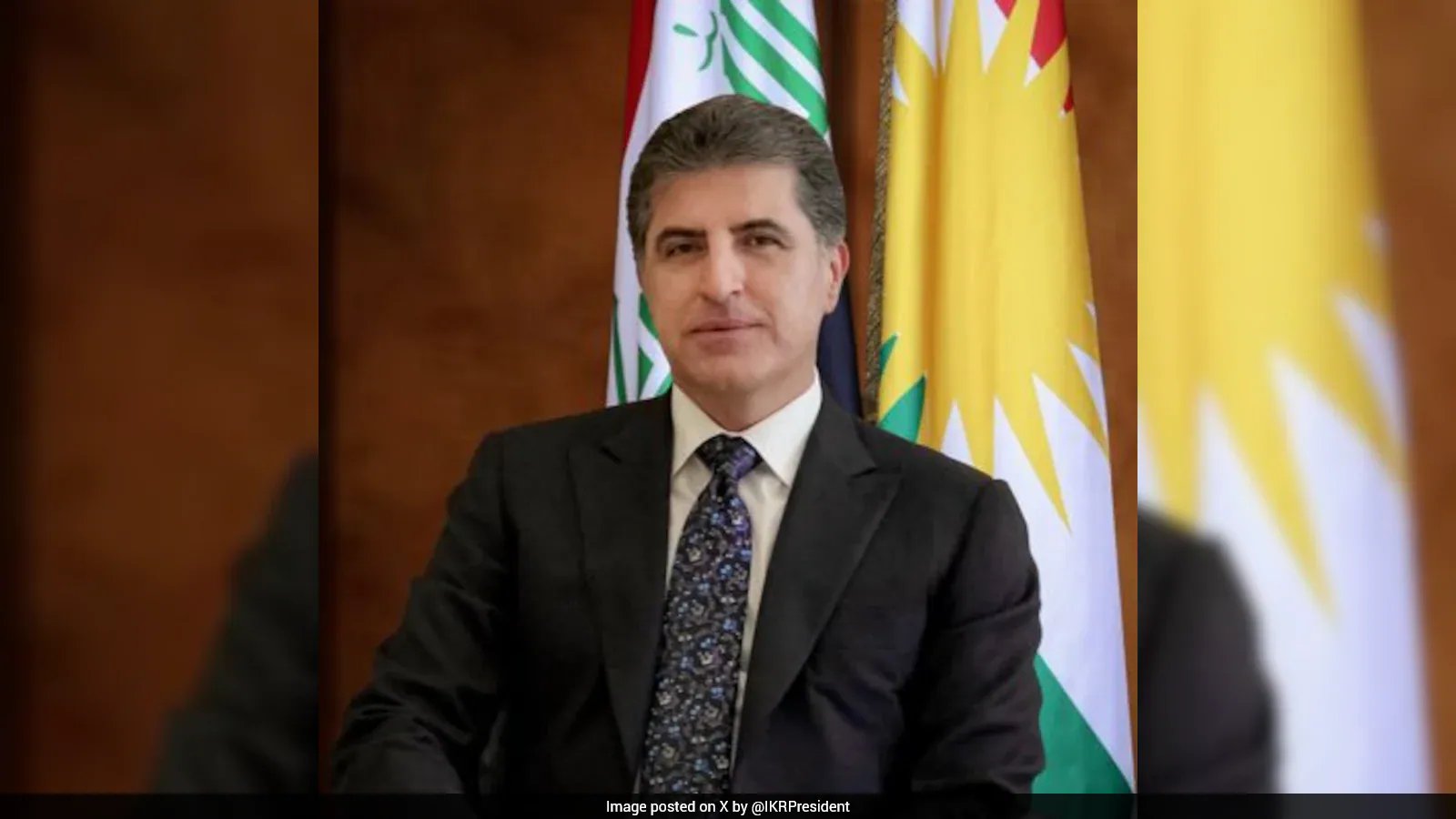
The individual chosen for this delicate secret link was Nechirvan Barzani, the current president of the Kurdistan Region in Iraq. Barzani, a figure reportedly trusted by both the United States and the IRGC, was identified by multiple sources with direct knowledge of the matter, as reported by Axios. The Kurdistan Regional Government (KRG) presides over a semi-autonomous territory in northern Iraq, with its administrative hub in Erbil. Barzani’s background is particularly noteworthy: he spent his formative years in Iran during the Iran-Iraq War and pursued his education at the University of Tehran. This experience granted him fluency in Farsi and fostered personal relationships with numerous high-ranking members of the Iranian regime, including key figures within the IRGC itself. He is widely recognized for his pragmatic approach to problem-solving and commands respect across the broader region.
The initial outreach to Barzani was made around May 10 by then-Director of National Intelligence Tulsi Gabbard. Gabbard reportedly conveyed to the Iraqi leader the Trump administration’s urgent need for his assistance in contacting General Ahmad Vahidi, a prominent commander within the IRGC. A source informed Axios that Gabbard explicitly stated her call was sanctioned by both President Trump and Vice President Vance. She emphasized that the US, unable to directly reach Vahidi, required verification regarding whether he and the IRGC leadership endorsed the terms being discussed by Ghalibaf and Araghchi, or if they harbored alternative objectives or demands.
Barzani reportedly acceded to Gabbard’s request and promptly engaged his contacts within the IRGC to relay Team Trump’s message. He communicated his desire for a direct conversation with Vahidi, to which Tehran agreed. On May 14, an IRGC official visited Barzani in his Erbil office and provided him with an encrypted phone, facilitating a secure call. Through this device, Barzani established contact with Vahidi, inquiring about his alignment with the Iranian negotiators. The IRGC commander unequivocally affirmed his support, stating, “I fully support them, and this is also the position of the IRGC. We prefer to solve this crisis through negotiations.”
Sources indicate that Barzani swiftly relayed Vahidi’s message to Gabbard, who subsequently forwarded it to the White House. Following the reception of this crucial Iranian response, the Trump administration again approached Barzani with a further proposition: to host secret talks between senior US and Iranian negotiators in Erbil. However, these proposed discussions never materialized, reportedly due to Iranian concerns for the safety of their representatives.
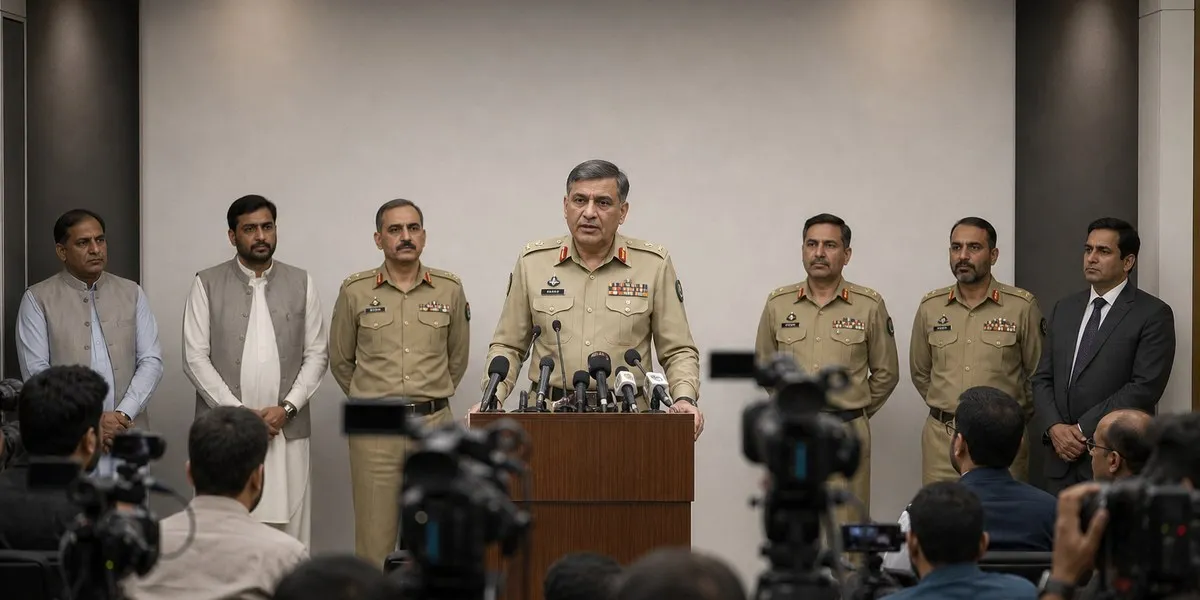
The decision by Washington to enlist Barzani in May underscored the intricate challenge faced by the Trump administration in engaging with Tehran, particularly concerning the ambiguity of who held ultimate authority. While the United States and Iran did manage to reach a memorandum of understanding in May, it quickly dissolved owing to disagreements over its precise wording. Despite the ongoing efforts of Pakistani and Qatari mediators to exchange messages between Washington and Tehran, significant progress remains elusive. A fundamental hurdle for the Trump administration, both currently and in any prospective negotiations, lies in ensuring that it communicates with the genuine decision-makers. This also necessitates identifying intermediaries who are trusted by both the White House and the Iranian regime. Nevertheless, some sources suggest that Islamabad is presenting a more optimistic portrayal of the talks than is warranted, potentially in an attempt to generate momentum that could break the prevailing stalemate.