







Workers do have rights—under Section 44 of the Employment Rights Act—to refuse to work if it’s not safe
By Camilla Royle
Downloading PDF. Please wait…
Wednesday 08 July 2026

Last year at least three bus drivers were hospitalised in extreme heat
This week temperatures in Britain are set to soar for the third time in a year.
Every heatwave increases the risk of people getting ill and dying, especially the most vulnerable.
The summer of 2022 was one of the hottest summers on record, with temperatures exceeding 40 degrees for the first time.
There were more than 2,800 excess deaths of people aged over 65 during a series of heatwaves that year.
The high temperatures increase the risk of people with heart and breathing conditions becoming ill.
Unlike in floods, fires or storms, the relationship between these deaths and the extreme weather may not be obvious. But heat is no less lethal than these other disasters.
Britain’s infrastructure can’t cope. Some 90 percent of homes are predicted to overheat if climate breakdown continues.
Care homes are struggling to keep older people cool.
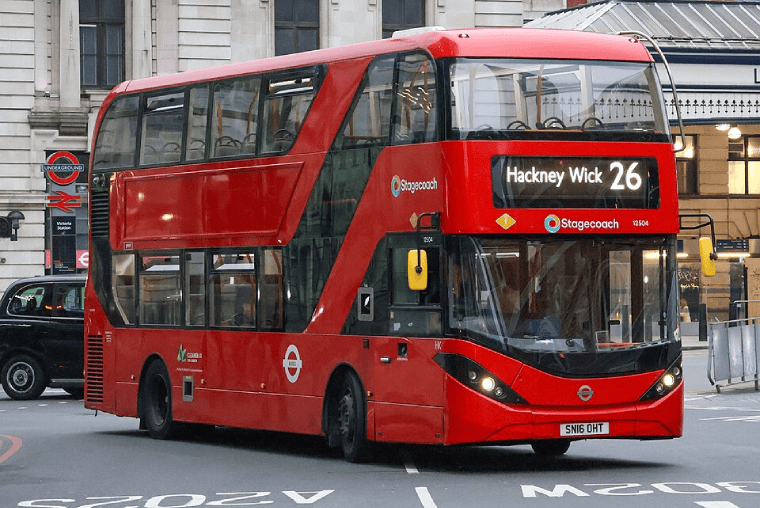
And bus drivers have been forced to stop driving this year because it is not safe to continue.
Last year, at least three bus drivers were hospitalised due to the heat.
Workers don’t need to just wait for disaster to happen.
NEU union members at St Joseph’s Catholic Primary School in Portishead, north Somerset, last month organised to shut schools while bosses dithered and delayed about what to do.
There are laws about how cold workplaces can be. There are no laws about maximum temperatures.
But workers do have rights—under Section 44 of the Employment Rights Act—to refuse to work if it’s not safe.
These are hard won rights that we should use. But workers will need to be organised. We can’t rely on the bosses to put health before their profits.