




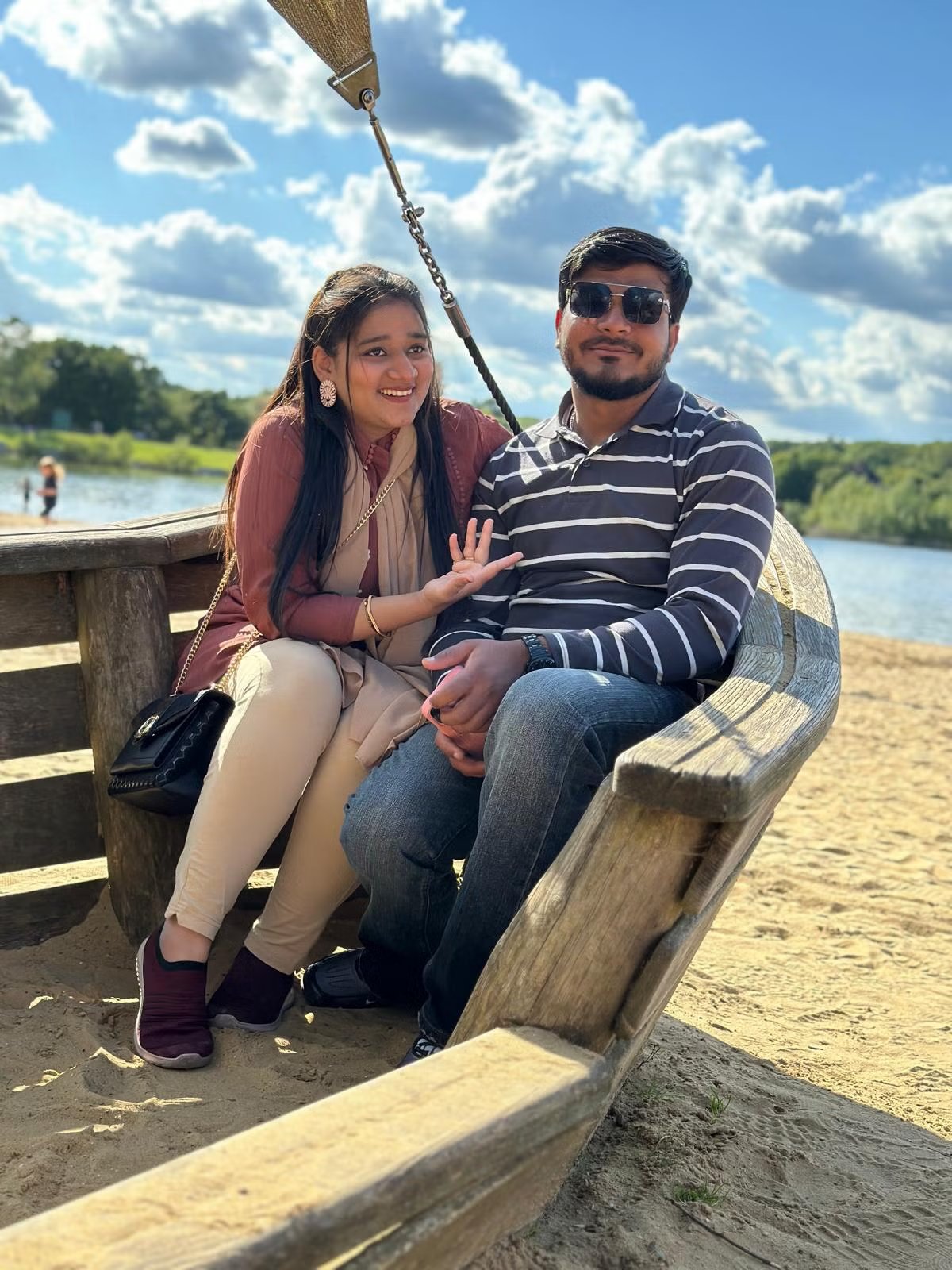
Mohammad Shethwala and his wife Sadikabanu Tapeliwala were a young couple with a dream, selling everything they had and borrowing money off neighbours to fund a move from India to Britain, where she had been admitted for a Masters at Ulster University’s London campus.
She graduated in 2023, the same year they had their first child Fatima, and both husband and wife found enough work to slowly build a life together, even sending small amounts back home to support the family and friends who had believed in them.
On 12 June last year, in a matter of seconds, their bright future disappeared in a fiery crash next to an airport in western India. Tapeliwala and two-year-old Fatima were on board Air India Flight 171, which came down shortly after take-off from Ahmedabad, killing 260 people including all but one of those on board.
Shethwala, who was back in London at the time, was devastated. Now, 10 months on, he is faced with another loss: the prospect of being forced to leave the UK, the country where he says every memory of his young family was made.
“I have already lost them,” the 28-year-old tells The Independent in an interview. “I want to hold on to the dream at least and fulfil it, to honour the memories I have.”
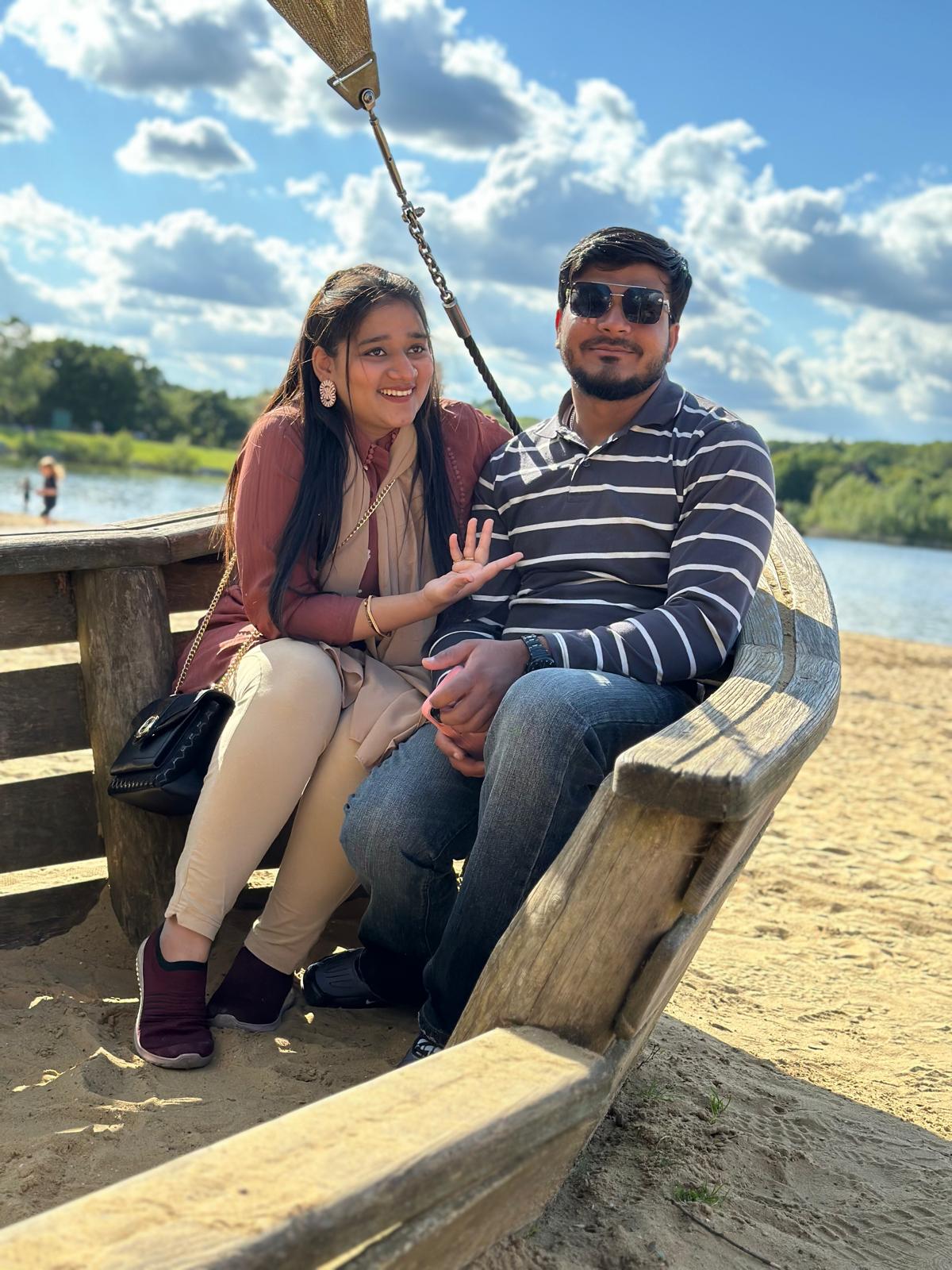
When Tapeliwala was granted her student visa in 2022, Shethwala joined her in Britain as a dependant. Their route to the UK, he says, was financed not by wealth but by sacrifice.
“We did not have money at the time to afford education in the UK,” he says. “People in our neighbourhood lent some money. Both our mothers also sold their jewellery, their life savings, to send us abroad.”
His father ran a small shop in India, earning no more than Rs 10,000 ( £78) to Rs 15,000 (£118) a month. Tapeliwala’s father sold goods door-to-door by bicycle.
Once in Britain, the couple worked relentlessly. His wife’s student visa limited her hours, Shethwala says, so he took multiple jobs, including delivery work. They spent their first year paying back the debt to those neighbours and friends. “After that, we were able to support both families,” he says.
At first, they had not planned to settle permanently. But Britain began to look less like a stopgap and more like a home.

“When we spent some time here, we decided it would be wise to settle here,” he said. “Our family background in India was not strong. But since moving here, we were able to support both her family and mine. We would not have managed it in India.”
By spring 2025, the family’s plans appeared to be falling into place. According to Shethwala, his wife had secured work connected to her studies and was preparing to switch into the Skilled Worker visa route after probation. The move would have given the family a more secure footing.
Then came a family wedding in India. Because both adults were working, they had hoped to travel together, he says, but could not get leave at the same time. He stayed behind. His wife and daughter went ahead.
On the morning Tapeliwala and Fatima were due to return to Britain, he says he called them to check in.
“She was at the airport,” he says. “My family were urging that I leave my daughter behind with them [in India]. My wife asked me if I should. But I was hesitant. My daughter was already away from me for a month.”
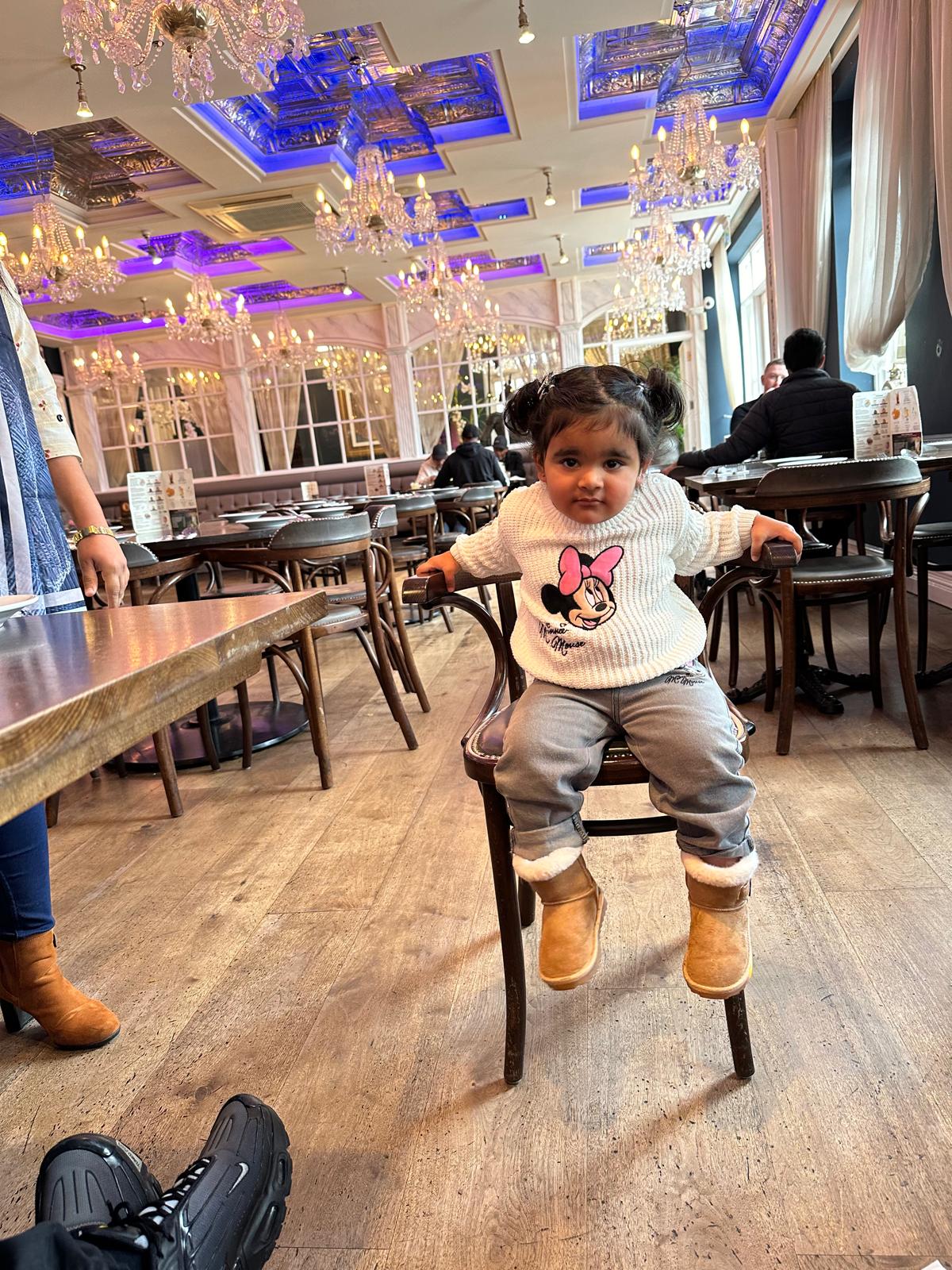
Fatima, he recalled, was crying at the airport. His wife said she had to go, to complete their check-in, and that she would call again once she was seated on the plane.
“That call never came,” he says.
Later that day, as he prepared to collect them from the airport, messages began arriving about a crash. He phoned the friend who had booked the tickets. Then came confirmation from multiple sources: it was the same flight.
“I was speechless,” he said. “I could not grapple with what was happening.”
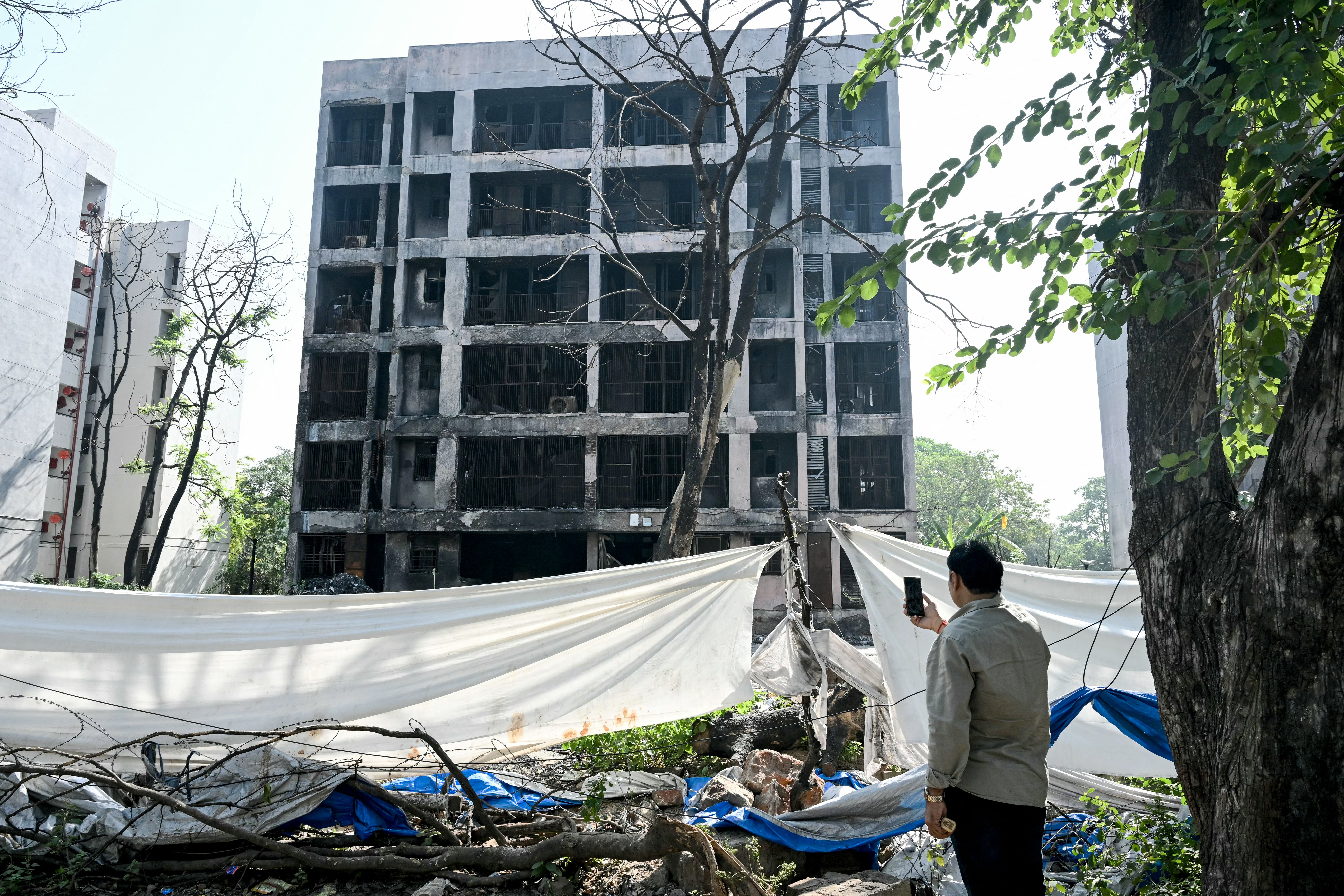
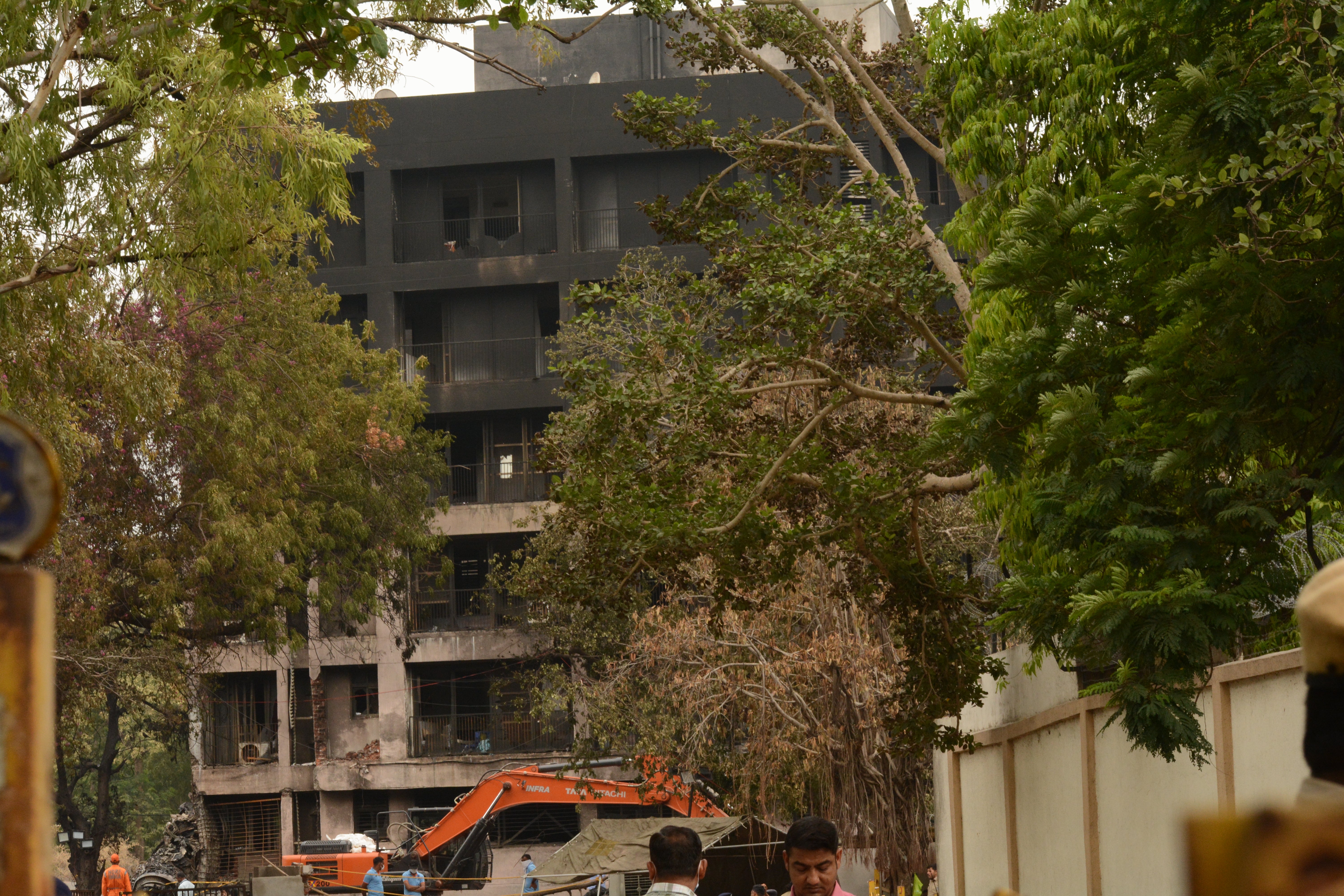
Flight 171, a Boeing 787-8 travelling from Ahmedabad to London Gatwick, crashed shortly after take-off and struck a medical college building on the ground. Alongside 241 passengers and crew, 19 people were killed on the ground.
Shethwala booked the first available flight to India, and until he reached there relatives tried to shield him from the worst news, insisting his wife and daughter were safe and in hospital.

When he arrived in Ahmedabad and went to the civil hospital, staff asked for a blood sample.
“I assumed, if they are taking my blood sample, it is to identify the body,” he says.
Doctors informed him there had been only one survivor.
A friend who had travelled with him then admitted the truth. “We did not tell you,” Shethwala recalled being told, “because we wanted you to reach India safely.”
His daughter’s remains were handed over to the family on 17 June. His wife’s followed later, on 21 June.
“It was given in a coffin,” he says. “I did not open the coffin before cremation.”
For days, he said, he could not accept what had happened.
“It was like a nightmare and that at any moment, I will wake up and find them both right in front of me.”
Then, as he describes it, another blow followed the first.
“The moment I managed to stabilise, the visa issue came like a dagger,” he said.
Because his immigration status depended on his wife’s visa route, her death left his own future uncertain. According to Shethwala, had she lived, the family expected to move onto a Skilled Worker visa. He says he still has her job offer letter.
“If my wife were alive, we would have had the skilled worker visa,” he said. “Things would have been different.”
He later applied for Further Leave to Remain on compassionate grounds, arguing that his circumstances were exceptional. A psychiatric report detailing his mental health was submitted with the application, he says.
But on 9 April, around nine months after the crash, he received notice that his application had been refused. He says he was then granted temporary immigration bail while expected to leave the country.
“I was not given an opportunity to even appeal,” he says.
The Home Office has not publicly commented on the individual case, and did not immediately respond to a request for comment from The Independent.
In reported correspondence, officials are said to have maintained that Shethwala’s circumstances did not meet the threshold for exceptional leave to remain in Britain and that support, including mental healthcare and family connections, would be available in India.
As Shethwala describes spending sleepless nights in a flat once filled with nursery rhymes, he is speaking to lawyers about whether he has any recourse to appeal.
“We believe this is a genuine humanitarian case and request fair and kind consideration,” says Ayush S Rajpal, case manager at Chionuma Law.
“Our client has lived in the UK for four years and built his life there with his wife,” he tells The Independent. “He is working and settled, and it would be very difficult for him to find similar work in India. After losing his wife, he is facing financial and emotional difficulties and is under psychiatric care. In these circumstances, we kindly request that he be allowed to remain in the UK on compassionate grounds.”
Shethwala says returning to India would not bring peace.
“My relatives kept saying, ‘What will you do in London? Just return,’” he says. “But to leave the country for me is to also leave those memories bound to this place.”
He says he is not trying to exploit a loophole or rewrite the rules. He says he simply wants time: time to work, time to recover, time to remain in the place where the future he and his wife imagined briefly felt possible.