









Smaller Plates, Higher Standards: How GLP-1 Use is Transforming Indian Consumer Habits
The rise of GLP-1 medications—originally developed to treat diabetes and obesity—is triggering a profound shift in consumer behavior that extends well beyond mere weight loss. According to new research from IFF, the influence of these therapies is fundamentally altering how users in India approach nutrition, label transparency, and the very social fabric of mealtime.
The company’s latest report, “Inside the India GLP-1 Consumer Journey,” which surveyed users across Delhi, Mumbai, and Bengaluru, was unveiled at the Eat Smart Asia: The GLP-1 Shift symposium in New Delhi. The data suggests that as appetite levels drop, user expectations for the food they consume are rising significantly.
“We are seeing that a change in appetite can lead to a broader change in the relationship people have with food,” says Harsch Koshti, regional marketing director for IFF Taste for Greater Asia.
A Market in Transition
While the uptake of GLP-1 medications in India is currently at a nascent stage—with only about 250,000 of the 250 million people living with obesity utilizing these therapies—the market is poised for rapid expansion. Driven by the introduction of more affordable semaglutide products, these medications work by mimicking gut hormones to regulate hunger and satiety, leading to a dramatic reduction in physical portion sizes.
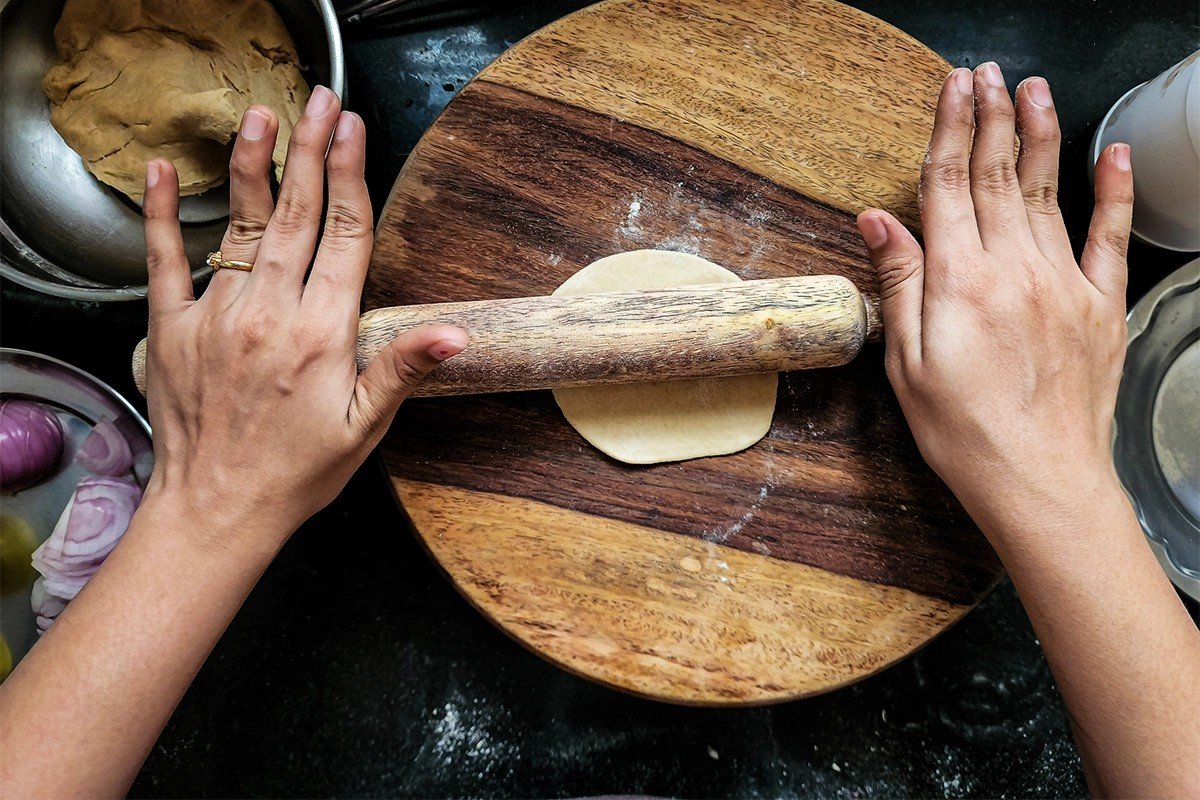
The survey findings are stark: respondents reported cutting their daily intake from three or four chapatis to one or two, and from over two bowls of rice to just half a bowl.
Quality Over Quantity
As volume decreases, the importance of every calorie increases. IFF’s research reveals that 90% of GLP-1 users notice changes in how they perceive the taste and sensory profile of food. With 69% of respondents prioritizing balanced flavor impacts and 50% favoring soft, easy-to-digest textures, the food industry faces a new mandate: creating nutrient-dense products that satisfy the palate while adhering to smaller format requirements.
This shift has forced manufacturers to navigate the technical challenges of GLP-1 food choices, particularly regarding the fortification of protein and fiber without compromising on mouthfeel, sweetness, or structural stability.
The Paradox of the Family Basket
The transition toward healthier personal habits is currently clashing with household shopping patterns. While 74% of users are now hyper-vigilant about reading labels—scrutinizing ingredients for natural or preservative-free claims—the family pantry remains largely unchanged. A majority of respondents (78%) continue to purchase cookies, while 71% still buy full-fat dairy and sweets for their families.
This disparity suggests that the opportunity for food companies is nuanced. Rather than creating isolated “GLP-1 specific” brands, there is a broader need for products that focus on nutrient density and portion control, allowing the individual to remain integrated within family mealtime rituals.
Navigating Social Discomfort
Social eating remains a significant challenge for this demographic, with 64% of respondents reporting occasional discomfort during communal meals. Consequently, there is an opening for “portion-flexible” products that allow users to participate in traditional social rituals without the pressure of overconsumption.
The Rise of Functional Hydration
Hydration has emerged as a top-tier priority, with 74% of respondents classifying it as a core daily wellness goal. The popularity of coconut water—cited by 69% of the group—highlights a growing demand for beverages that offer both sensory satisfaction and functional benefits.
As the industry looks to the future, the primary challenge has shifted from simply encouraging “less intake” to ensuring that every bite and sip provides maximum nutritional and sensory value. For manufacturers, the path forward lies in acknowledging that while the appetite of the Indian consumer may be shrinking, their standards for quality have never been higher.
Disclaimer: The findings presented by IFF are intended for informational purposes and do not constitute medical, nutritional, or health care advice.