








DYNAMIC shifts in the fabric of T20 cricket are coming to the United Arab Emirates this November as the International League T20 (ILT20) prepares to launch its highly anticipated fifth season. With a commitment to innovation, speed, and competitive parity, league officials have unveiled a suite of revolutionary playing conditions that promise to redefine how the game is officiated and consumed.
Set to debut on November 21, the new regulations focus on two primary objectives: removing the ambiguity surrounding wide-ball calls and accelerating the overall pace of play. By implementing a standardized “batter zone” and expanding the stop-clock mandate, the ILT20 is positioning itself as a modern laboratory for cricket’s future.
The “Batter Zone” Revolution
Perhaps the most significant departure from traditional cricket laws is the introduction of the “batter zone.” In recent years, the subjectivity of wide-ball calls—particularly when players shuffle across their stumps—has been a point of contention for players, fans, and officials alike. The ILT20 aims to provide a definitive objective baseline to settle these disputes.
Under the new mandate, a delivery will be adjudicated as a Wide if the entire ball passes outside the designated zone between the off-side and leg-side wide lines at the popping crease. Furthermore, any delivery that clears the head height of a standing batter will automatically be signaled as a Wide, regardless of where it passes relative to the off-stump.
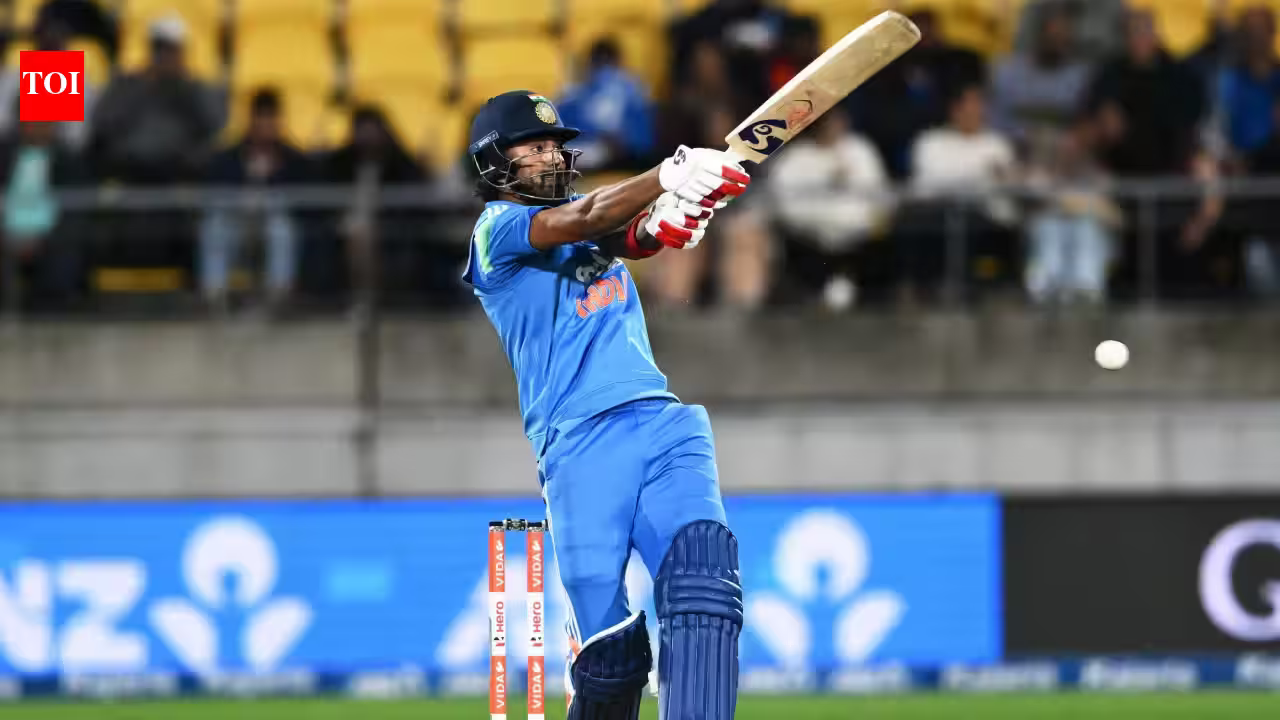
Crucially, the rule remains in effect even if a batter moves across the crease in anticipation of a delivery. If the ball stays entirely outside the defined corridor and the batter fails to make contact, the umpire is instructed to signal a Wide. However, the league has accounted for the evolving nature of modern shot-making; reverse sweeps and switch hits will retain the traditional off-side wide line criteria, ensuring that the creative flair of the game is not stifled by over-regulation.
The 60-Second Stop Clock: A Two-Way Street
While the fielding side has faced the pressure of the 60-second stop clock in recent years, the ILT20 is now leveling the playing field by imposing similar constraints on the batting side. The new regulation mandates that both batters must be ready to face the next delivery within 60 seconds of the conclusion of the previous over.
This dual-responsibility approach is designed to eliminate the “dead time” that often plagues T20 matches, such as extended mid-over conferences or unnecessary glove-adjusting delays between overs. To ensure compliance, teams will be afforded two warnings per innings. Once a third offense is committed, the opposing side will be awarded five penalty runs—a stiff deterrent that underscores the league’s intolerance for slow play.
Of course, the league has exercised prudence regarding these penalties. Exemptions will be granted for legitimate delays, including on-field medical treatment for injuries, scheduled strategic time-outs, official weather-related interruptions, and extended third-umpire reviews. This nuance ensures that the flow of the game is improved without penalizing teams for factors beyond their control.
Commitment to Regional Development
Beyond the rule changes, the ILT20 continues to prioritize the growth of local and associate-member cricket. The tournament remains a vital gateway for emerging talent, with strict roster quotas embedded into the playing conditions.
Each franchise must field a squad that incorporates a minimum of two UAE-based players, two players from Afghanistan, and one player representing an ICC Associate Member nation. This structure is not merely a formality; it is enforced throughout the entire match duration. Should a team utilize a substitution or a “Super Sub” maneuver, the ratio of regional players must be maintained to ensure the competitive integrity of the team composition. Provisions for concussion replacements have been carefully drafted to ensure that even in the case of emergency personnel changes, the spirit of the development mandate remains intact.
A New Era for the ILT20
The fifth season of the ILT20, running from November 21 to December 20, 2026, promises to be an intense display of tactical maneuvering. With six franchises competing for the trophy, the infusion of these regulatory changes will force captains and coaches to adapt quickly.
The combination of the “batter zone” and the bilateral stop-clock policy suggests a tournament that is laser-focused on efficiency and fairness. By minimizing the margin for umpiring error and mandating a faster tempo, the ILT20 is setting a high bar for domestic leagues worldwide. As international stars descend on the UAE, the world will be watching to see how these adjustments influence the outcome of the tournament. Whether these rules will become the new gold standard for the sport remains to be seen, but for now, the message from the ILT20 is clear: the game is moving faster, and there is no room for hesitation.
Disclaimer: This content is auto-generated for informational purposes only.
Source: Read Original News