








A Shared Tragedy: Hospital Fires in India and Pakistan Expose a Failure of Governance
In a haunting reflection of the systemic rot plaguing South Asia, two tragedies separated by a border but unified by grief have claimed the lives of seventeen newborns within a span of just 48 hours.
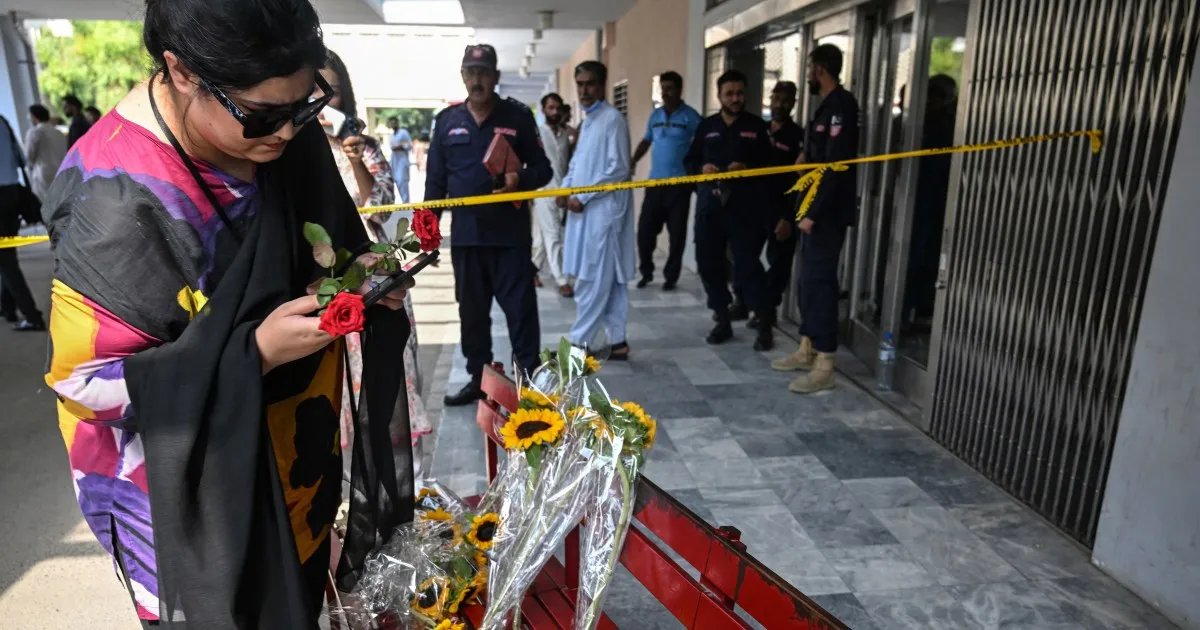
This week, a fire in the neonatal intensive care unit (NICU) of a government hospital in Amravati, Maharashtra, claimed the lives of three infants, reportedly sparked by a faulty ventilator. Barely two days later, a separate blaze—triggered by an exploding air conditioner—swept through a maternity ward in Islamabad, Pakistan, killing 14 newborns.
While the geography and mechanical triggers of the fires differed, the stories of the families left behind are mirror images of one another. In Amravati, a father who had not yet seen his child’s face was left clutching boxes of celebratory sweets. In Islamabad, a family mourning the loss of a long-awaited son faced the same harrowing reality. On both sides, the aftermath followed a grimly predictable script: delayed rescue efforts, malfunctioning fire safety infrastructure, and the hollow promises of high-level inquiries and financial compensation from politicians.
A Pattern of Neglect
For those observing the region’s health sector, these events are not isolated accidents but part of a persistent cycle of institutional failure. Over the past 26 years, hospital fires have become a recurring feature of public life in both India and Pakistan. Major disasters, such as the 2011 AMRI Hospital fire in Kolkata that killed 89 people or the 2012 blaze at Lahore’s Services Hospital, resulted in high death tolls but zero meaningful policy reform.
In both nations, the pattern remains unbroken: systemic apathy leads to safety breaches, a fire occurs, authorities offer performative expressions of sorrow, and then the public conversation fades. As the author notes, these countries are arguably united in spending citizen lives like pocket change, viewing the deaths of the poor and vulnerable as an inevitable cost of an indifferent system.
Priorities of the State
Critics argue that these tragedies expose a fundamental misalignment of government priorities. India and Pakistan possess the wealth and technological capacity to maintain safe hospitals; they have successfully built nuclear arsenals, launched satellites, and maintained massive standing armies. Yet, they consistently fail to provide the most basic floor of human security—a working fire alarm or a clear emergency exit in a maternity ward.
“Fire safety is not a luxury,” the reporting suggests. “It is the floor beneath which a government cannot allow its people to fall repeatedly and remain shamelessly indifferent every single time.”
As both nations recently marked 79 years of independence, the dual tragedy forces a painful reassessment of what “national security” truly entails. While leaders in New Delhi and Islamabad continue to engage in diplomatic posturing and military competition, their own citizens remain trapped in a precarious existence where basic infrastructure is a lethal hazard.
The Cost of Accountability
The repeated nature of these disasters raises difficult questions for the judiciary, the news media, and civil society. When newborn babies can perish in an inferno because of a faulty sprinkler system, the veneer of modern democratic governance begins to crack.
Ultimately, the parents of Amravati and Islamabad did not require the protection of a nuclear arsenal; they required the simple, functioning safety standards that every citizen is entitled to. Until India and Pakistan choose to value their own people as much as they value their geopolitical prestige, these cycles of “careless barbarity” will likely continue, leaving families to reckon with a state that prioritizes everything except the lives of its most vulnerable.