








The Evolution of the India-US Trade Framework
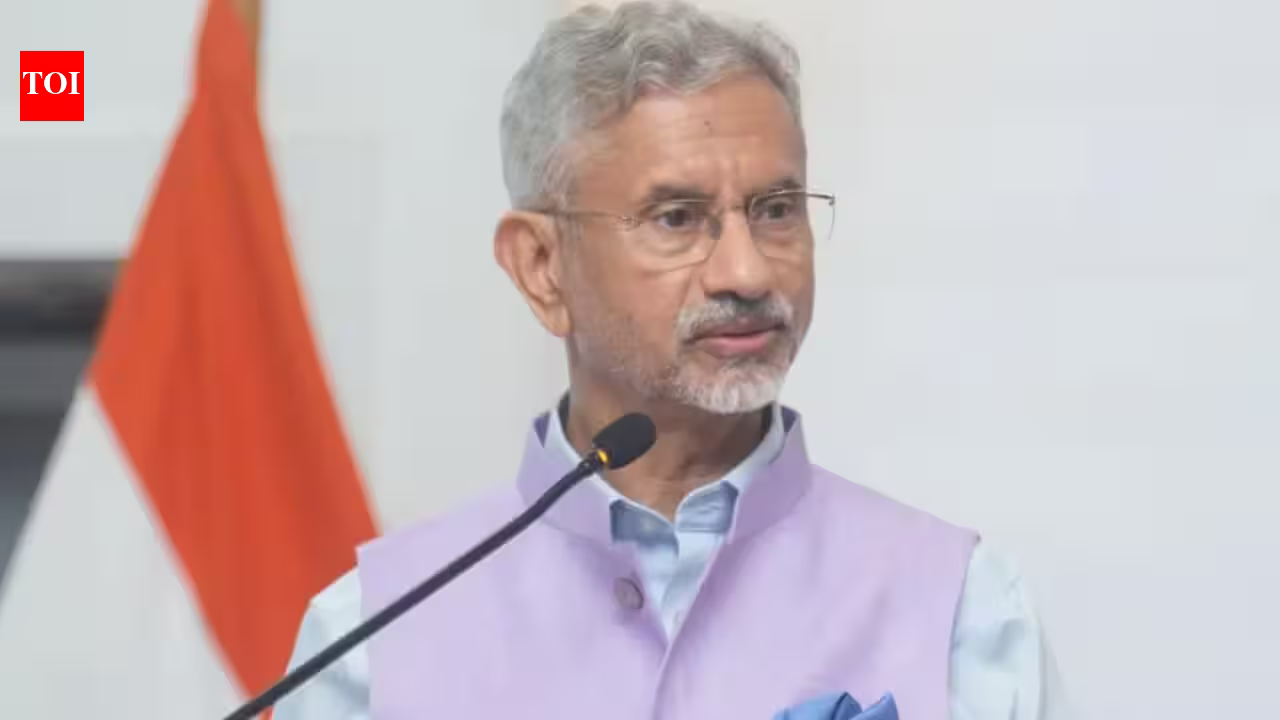
The bilateral relationship between India and the United States has long been characterized as a foundational pillar of global geopolitics. While the discourse often centers on defense and technology, the economic dimension—specifically trade negotiations—has reached a critical juncture. Recent statements from External Affairs Minister S. Jaishankar suggest that long-standing discussions aimed at resolving tariff-related tensions and market access barriers are approaching a decisive phase.
The complexity of these negotiations is rooted in the shifting economic strategy of the United States. Under the current policy shift toward domestic re-industrialization, Washington has begun viewing tariffs as a primary lever to reshape supply chains and incentivize manufacturing at home. For India, this necessitates a delicate balancing act. Policymakers in New Delhi must ensure that any trade deal maintains the competitive edge of Indian exports while navigating the broader global pressure exerted by US trade policies on other significant economies. As officials from both sides work toward what Jaishankar describes as a “landing point,” the focus remains on ironing out discrepancies that have historically hindered a comprehensive agreement.
Navigating the Global Competitive Landscape
One of the central challenges in the ongoing negotiations is the relative nature of trade terms. As Jaishankar aptly noted, the outcome of India’s deliberations with Washington is inextricably linked to the deals struck by other nations. The US Trade Representative (USTR) is currently managing multiple high-stakes trade dialogues, and India’s specific terms will inevitably be benchmarked against the commitments made by other competing economies.
For the Indian government, this is a strategic exercise in parity. The objective is to secure market access that reflects India’s growing status as a global manufacturing hub while ensuring that it is not disadvantaged by deals granted to other nations that might be in a stronger bargaining position or have different systemic trade requirements. The current state of negotiations, which finance minister Nirmala Sitharaman recently described as being at a “plateau,” reflects the difficulty of aligning these competing interests. However, the move toward a terminal agreement suggests that both sides are prioritizing long-term stability over short-term friction.
Strategic Partnership Beyond the Tariff Debate
A recurring theme in the commentary from Commerce and Industry Minister Piyush Goyal is the decoupling of trade friction from the broader strategic partnership. By emphasizing that the India-US relationship is “very substantive” and “consequential,” the government is signaling that the current tariff-related impasse is a component, rather than the core, of the bilateral engagement.
The structural strength of this relationship is built upon multiple vectors: defense cooperation, advancements in critical technology, the secure supply of critical minerals, and robust people-to-people engagements. Unlike a formal treaty alliance, which mandates specific security commitments, the India-US strategic partnership is defined by the alignment of interests. This distinction is crucial; it allows both nations to navigate trade disputes and policy disagreements without destabilizing the overarching security and geopolitical architecture they have built over the last two decades. As global markets fluctuate, India’s insistence on this broader framework provides a buffer, ensuring that temporary economic headwinds do not derail the profound, multi-decade collaboration between the two largest democracies in the world.
Market Realities and the Trade Balance
Data from the 2025-26 fiscal year provides a clear picture of the current economic environment. Despite the introduction of punitive tariffs and challenges related to H-1B visa policies, the trade relationship remains resilient. India’s exports to the United States witnessed a marginal increase, while imports from the US saw a more significant growth, leading to a narrowing of India’s trade surplus.
This shift in the trade balance reflects both the high demand for American technology and goods within the Indian market and the resilience of Indian IT and manufacturing sectors in the face of restrictive US policies. The concerns regarding green-card processing and visa fee hikes represent genuine hurdles for Indian firms like TCS and Wipro, which are integral to the services export economy. However, the fact that trade continues to grow despite these pressures underscores the fundamental economic interdependence between the two nations. The ongoing negotiations are, in essence, an attempt to formalize this existing dynamism into a more predictable and mutually beneficial regulatory environment.
The Shift Toward Domestic Re-industrialization
Washington’s current approach to trade is fundamentally driven by a mandate to revitalize domestic industry. This is not merely an isolated trade dispute but a systemic shift in how the United States interacts with its trading partners. For India, understanding this shift is essential for policy formulation. The “tariff debate” mentioned by Jaishankar is a symptom of this wider desire to reset the terms of access to the American economy.
India’s proactive stance in these negotiations suggests a recognition that the old era of global trade norms is being rewritten. By engaging in these high-level discussions, India is positioning itself to be a preferred partner in the new global supply chain architecture the US is currently constructing. The goal is to move beyond transactional trade—which is prone to the volatility of political cycles—and toward a model of structural integration in technology and critical manufacturing.
Future Outlook: Security and Economic Imperatives
Looking ahead, the longevity of the India-US relationship appears secure, drawing its strength from deep-seated political, security, and economic imperatives. Regardless of changes in leadership or political ideologies in either capital, the fundamental alignment—the “shared common interests” developed over the last twenty years—remains the bedrock of the partnership.
While the immediate focus of trade ministers is on resolving outstanding tariff issues and streamlining market access, the long-term objective is clear: to institutionalize the relationship in a way that minimizes the impact of temporary political or economic shifts. As India continues to integrate into the global economy, the ability to successfully navigate the complexities of its relationship with the US will be a primary driver of its economic trajectory. The “landing point” of the current trade deal will likely serve as a milestone, providing the necessary clarity for investors and businesses to deepen their commitment to this consequential bilateral relationship. By maintaining this strategic patience, India is effectively securing its position as an essential player in the evolving global order.
Disclaimer: This content is auto-generated for informational purposes only.
Source: Read Original News