






From Exam Protests to School Audits: How the ‘Cockroach Janta Party’ is Shaking Up India’s Education System
NEW DELHI — After successfully toppling the Education Minister through a high-profile protest movement earlier this year, the student-led activist collective known as the “Cockroach Janta Party” (CJP) is pivoting its focus. Having secured a political victory over systemic exam irregularities, the group is now launching an ambitious, decentralized campaign to audit India’s massive network of government-run schools.
The movement, which rose to national prominence in May following weeks of intense protests over competitive entrance exam scandals, credits its influence to a blend of grassroots grit and viral public pressure. The momentum of their initial campaign culminated in the resignation of Education Minister Dharmendra Pradhan, proving that the youth-led group could hold the highest levels of government to account.
A New Frontier: Auditing the Classroom
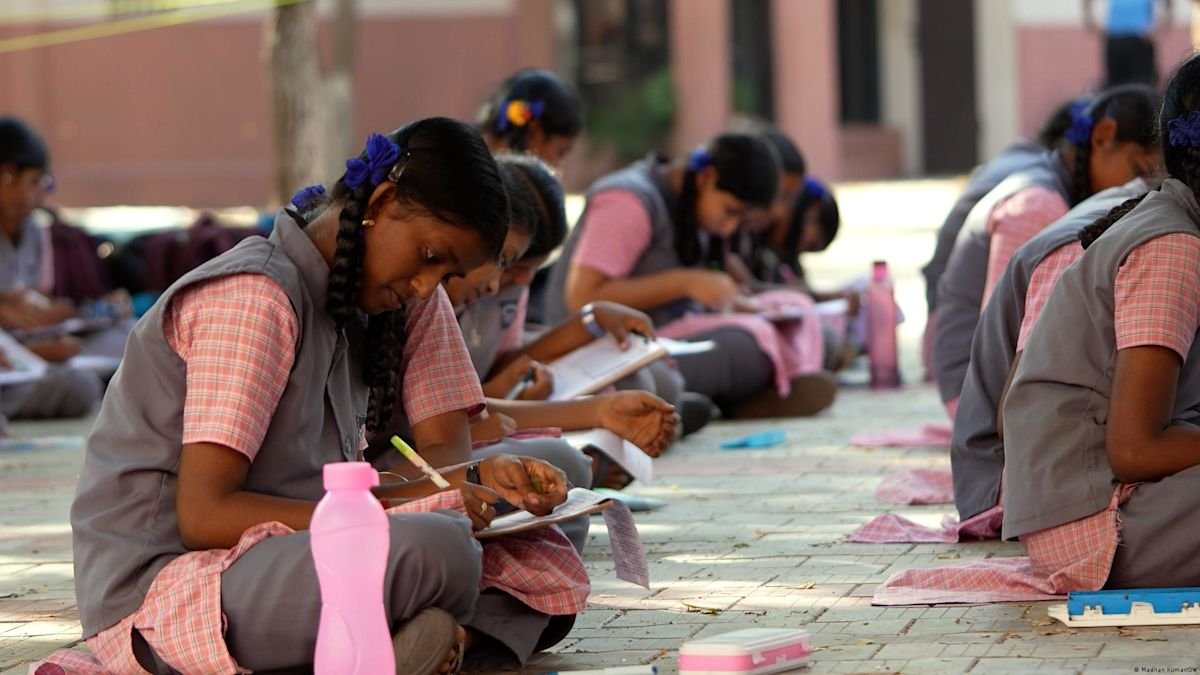
Launched on August 15, India’s Independence Day, the CJP’s latest initiative is a call to action for parents, students, and volunteers to physically inspect the country’s government-funded institutions. Armed with standardized audit forms, participants are documenting the state of basic infrastructure—ranging from the availability of clean drinking water and functional toilets to the quality of classroom furniture and building safety.
The scale of the undertaking is immense. India currently operates over a million government schools, which constitute nearly 70% of the nation’s educational infrastructure, serving roughly 247 million children. The CJP’s initial objective is to complete comprehensive audits of 100 rural schools over a two-month period, with plans to publicly recognize village leaders who successfully prioritize and improve their facilities.
Resistance and Regulatory Friction
The shift from street protests to localized, sustained audits has invited a harsher response from state authorities. Unlike the sweeping demonstrations in the capital, these school-level inspections are being met with police interventions, legal complaints, and new administrative hurdles.
In states like Rajasthan and Maharashtra, officials have strictly prohibited unauthorized entry, citing concerns over the presence of minors and the disruption of the academic environment. In some instances, CJP volunteers have reported physical intimidation. Meanwhile, in Uttar Pradesh, Chief Minister Yogi Adityanath has directed authorities to register cases against those producing what the government deems “misleading videos” of school facilities.
“We are not afraid. We are seeking accountability from the government,” asserted CJP spokesperson Ashutosh Ranka, dismissing the pushback as an attempt to stifle transparency.
The Debate Over Methods
The aggressive, hands-on approach of the CJP has sparked a wider national debate regarding the boundaries of public scrutiny. While many advocates for educational reform agree that the system is broken, some experts argue that the group’s “barge-in” tactics may be counterproductive.
Mohandas Pai, a prominent education advocate, expressed support for the CJP’s focus but criticized their methodology. “You can’t just barge into a school just because you think you are entitled to do it,” Pai said, emphasizing that schools must remain secure, stable environments for students. He suggested that the group move toward more systematic, evidence-based reporting using official channels.
Others, however, maintain that the government has left citizens with few alternatives. Amrita Johri, an activist focusing on transparency, noted that the movement has effectively tapped into a longstanding accountability gap that has plagued the Indian administration for decades.
“Public audits are an integral part of citizens’ right to information and should be welcomed as an opportunity to fix accountability,” Johri told reporters. She noted that while the CJP must navigate concerns over student privacy and procedural norms, the act of scrutinizing public institutions remains a fundamental right of the electorate.
As the CJP continues its push across rural India, the movement serves as a litmus test for the future of digital-age activism: can a group built on viral, disruptive protest successfully transition into a long-term, bureaucratic watchdog? For now, the CJP shows no signs of slowing down, insisting that if the state will not monitor itself, the public will do it for them.