





Three Indian sailors have died in a U.S. military operation to halt a tanker off Oman as part of Washington’s efforts to blockade Iran-linked shipping, Indian authorities confirmed on Thursday.
The deaths are the first reported since the blockade began on April 13, operations which have seen the U.S. disable eight ships and turn back more than 100 others.
The U.S. blockade on Iran’s ports and Tehran’s grip on the Strait of Hormuz have sustained mutual pressure, driving up costs around the world while leaving the risk of renewed fighting unresolved.
Indian Shipping Minister Sarbananda Sonowal confirmed the three sailors had died.
“Sadly, three Indian seafarers initially reported missing are now confirmed dead after bodies have been located and identified,” Sonowal said.
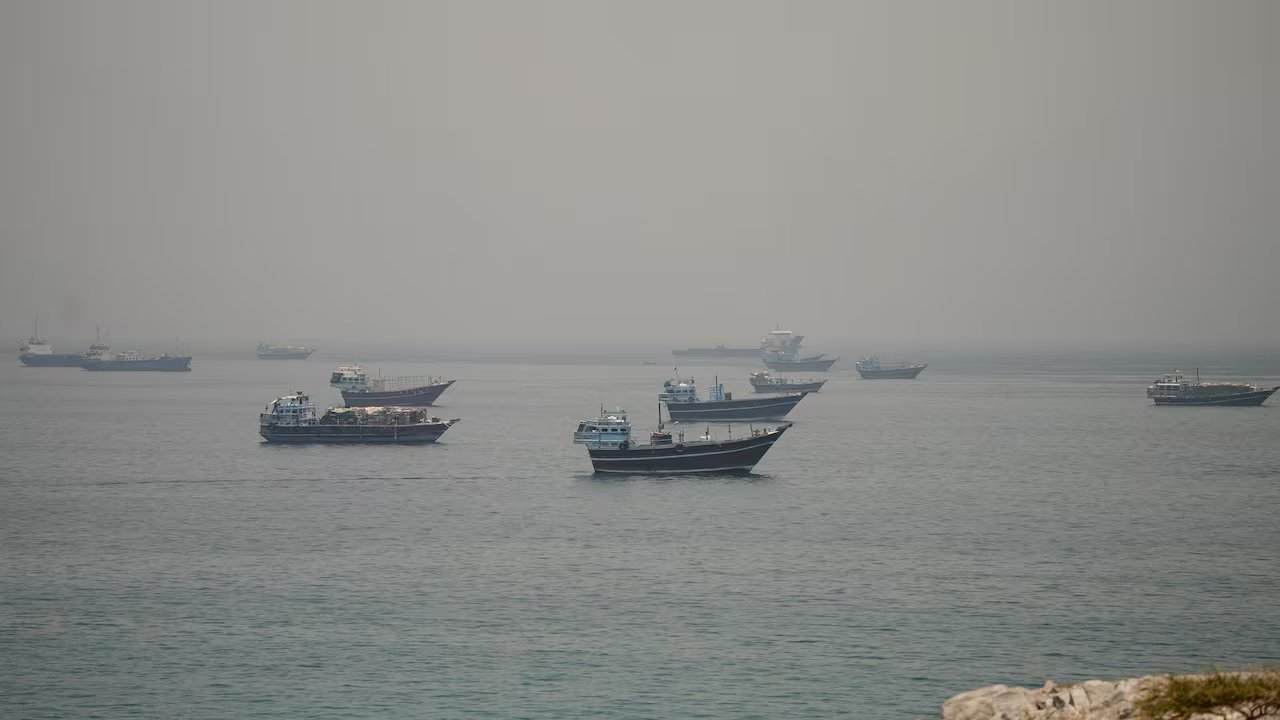
The U.S. military’s Central Command (CENTCOM) said a U.S. aircraft had carried out a precision strike on the Palau-flagged oil products tanker Settebello in the Gulf of Oman.
“The crew repeatedly failed to comply with directions from American forces,” it said, and munitions were fired into the ship’s engine room.
India’s Foreign Ministry on Wednesday condemned the attack and said 21 Indian sailors had been rescued.
The Omani navy responded to the Settebello’s distress call after it reported an engine fire following the U.S. strike, British maritime risk management group Vanguard said.
India summons U.S. diplomat
India summoned the U.S. deputy chief of mission to the country after lodging a “strong protest” over the incident, two Indian sources with direct knowledge of the matter told Reuters on Wednesday.
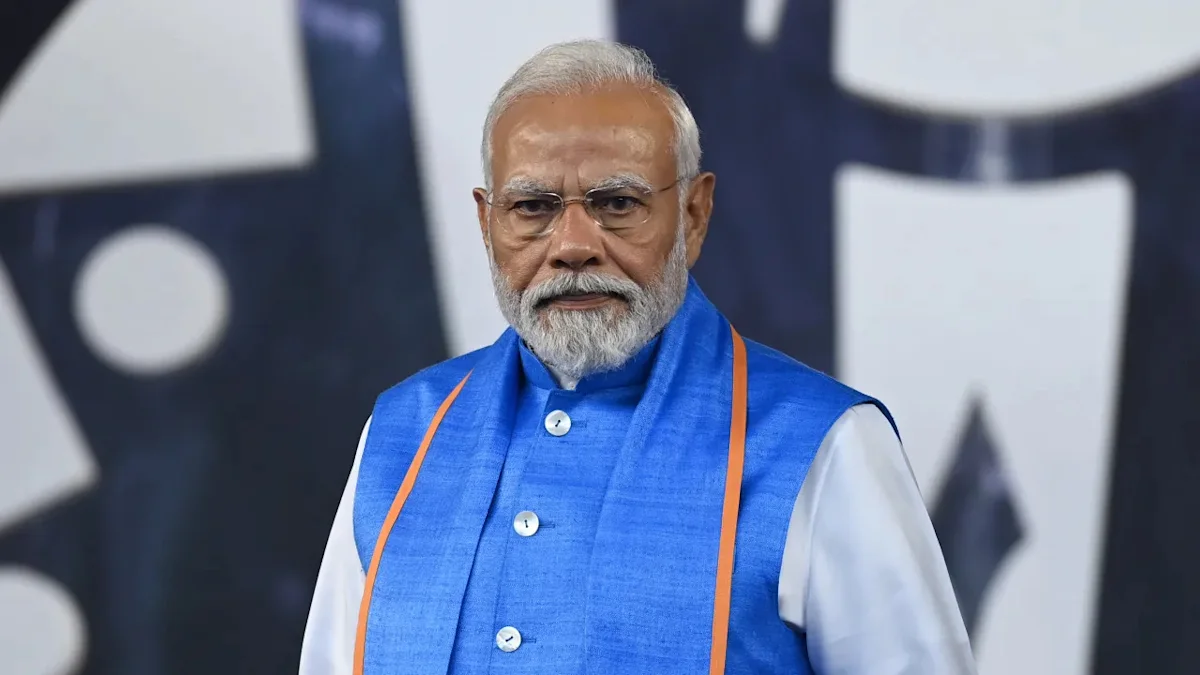
The U.S. attacks on vessels carrying Indian seafarers come ahead of next week’s G7 summit in France, where Indian Prime Minister Narendra Modi is likely to hold bilateral talks with U.S. President Donald Trump.

CENTCOM said the Settebello “violated the ongoing blockade by attempting to transport oil from Iran.”
It said the U.S. blockade had disabled eight non-compliant vessels, redirected 134 ships that complied, and allowed 42 vessels supporting humanitarian aid to pass.
Ships being targeted by the U.S. blockade include Iranian vessels as well as so-called shadow fleet tankers, which are typically older vessels without Western insurance used to transport sanctioned oil and sailing under the flags of various nations to obscure their true ownership, cargo and movements.
“I strongly condemn any act from any party that endangers the lives of seafarers and the safety of international shipping. This is simply unacceptable,” Arsenio Dominguez, secretary general of the UN shipping agency the International Maritime Organization, said on Wednesday.
An escalation in hostilities between Iran and the U.S. this week has included Monday’s downing of a U.S. Apache helicopter near the Strait of Hormuz, which sparked a series of tit-for-tat attacks around the region.
It has been most serious threat to a fragile ceasefire agreed in April, dampening hopes for a swift end to the war that started on Feb. 28 with massive U.S.-Israeli joint air strikes on Iran.
Bahrain reports injuries
The U.S. military said its latest attacks targeted “military surveillance capabilities, communication systems, and air defence sites across Iran” in response to what it called Tehran’s “unwarranted and continued aggression.”
Iran’s Islamic Revolutionary Guard Corps (IRGC) said it had launched counterattacks on 18 U.S. military targets at airbases in Kuwait and Bahrain, as well as the U.S. navy’s Fifth Fleet in Bahrain. It later said it had also targeted the al-Azraq airbase in Jordan for a second night running, firing 12 ballistic missiles.

Bahrain’s Interior Ministry said an 11-year-old girl suffered minor injuries, while vehicles caught fire and homes were damaged in the town of Hamad and the capital, Manama, after debris fell from Iranian drones that were intercepted and destroyed.
Iran on Wednesday accused the U.S. of striking reservoirs that supplied drinking water to 10 villages and violating international law.
“This is not collateral damage — it is a calculated war crime and a flagrant violation of human rights,” said foreign ministry spokesperson Esmaeil Baghei.
The Pentagon did not immediately respond to a request for comment.
The war has killed thousands and disrupted roughly one-fifth of global supply of crude oil and liquefied natural gas, sending prices sharply higher. The conflict has become a political headache for the White House, with polls showing President Donald Trump’s approval ratings sinking amid voter anger over high gasoline prices.
Trump has repeatedly said a deal is close, though there has been no sign of a breakthrough, while also threatening to resume bombing.
Efforts to reach an interim deal to end hostilities between Iran and the U.S. have intensified, three Iranian sources and a European official told Reuters on Thursday, despite the strikes launched by both sides.
Tehran’s demands include an end to Israel’s attacks in Lebanon, the lifting of sanctions on Iran, the release of billions of dollars in frozen assets, and recognition of its control of the Strait of Hormuz.
Trump says Iran must end its restrictions on shipping through Hormuz, and that any peace deal must ensure Iran cannot develop a nuclear weapon.