








India-New Zealand Free Trade Agreement to Take Effect on Dussehra, Boosting Bilateral Economic Ties
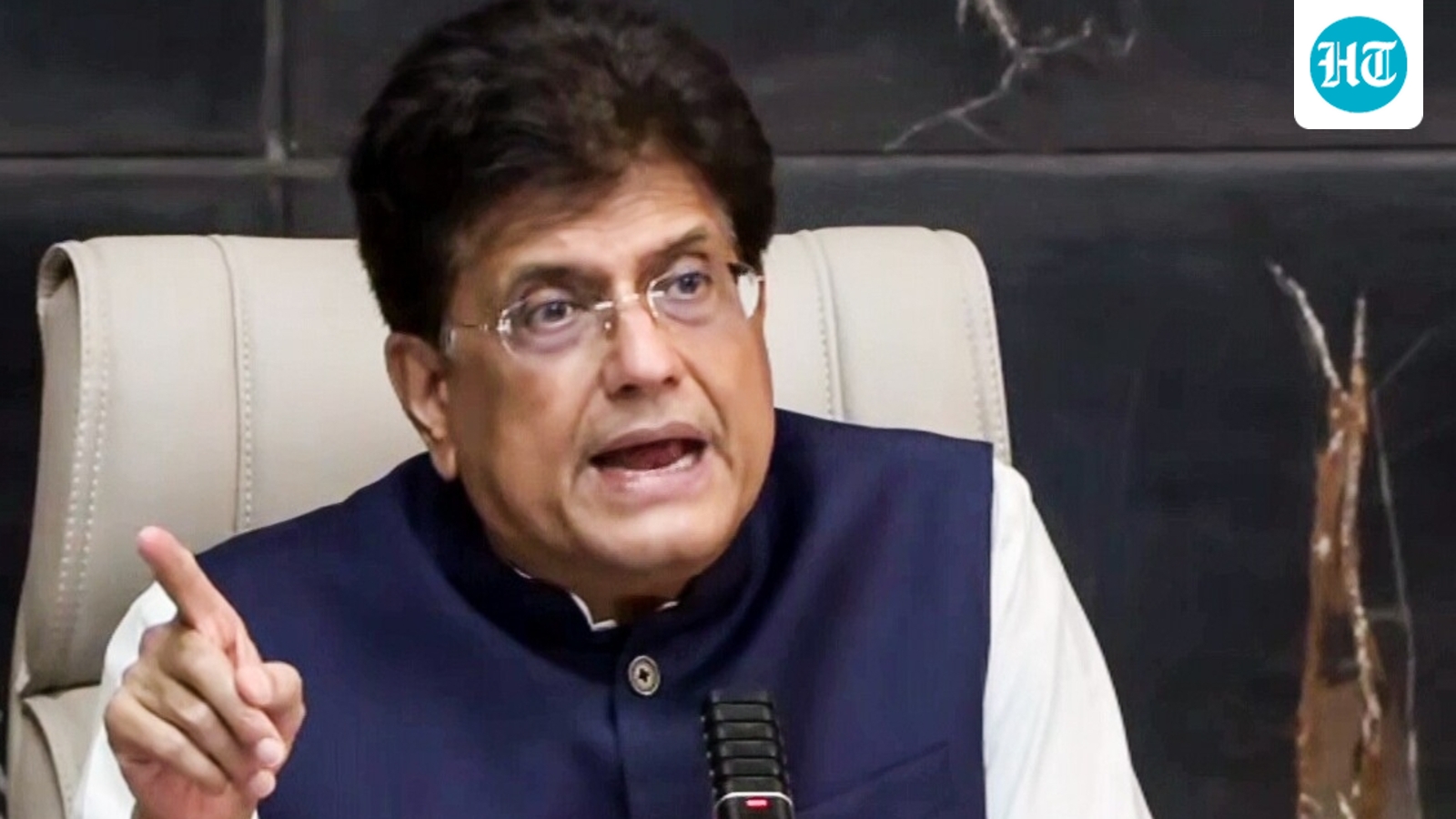
New Delhi: In a major leap for India’s international trade landscape, Union Commerce and Industry Minister Piyush Goyal announced on Monday that the historic Free Trade Agreement (FTA) between India and New Zealand is set to become operational on October 20, 2026. The timing, coinciding with the festival of Dussehra, underscores the commitment of both nations to forging a robust and long-term economic alliance.
Following the formal signing of the pact on April 27, the implementation marks the beginning of a transformative era in bilateral commerce. A cornerstone of this agreement is the immediate provision of 100% duty-free access for Indian exports entering the New Zealand market, a move expected to provide Indian manufacturers with a significant competitive advantage over other global players.
Empowering Indian Exports
Currently, New Zealand imposes peak tariffs of up to 10% on a range of Indian goods, including ceramics, carpets, automobiles, and engineering components. The elimination of these levies will provide an immediate boost to vital labor-intensive sectors such as textiles, leather, footwear, gems and jewellery, and processed foods.
Beyond finished goods, the agreement also facilitates tariff-free access to critical raw materials for Indian industry, including coking coal, metal scrap, and wooden logs. By reducing production costs and improving supply chains, these provisions are poised to make Indian manufacturing more resilient and globally competitive.
A $20 Billion Investment Pipeline
The agreement goes beyond simple tariff reduction, acting as a catalyst for substantial capital inflow into the Indian economy. New Zealand has committed to investing approximately $20 billion over the next 15 years. Minister Goyal highlighted that this massive influx of foreign direct investment will not only inject capital into India’s growing manufacturing sector but will also bring in advanced technological expertise from New Zealand.
To streamline this process, the Indian government plans to establish a dedicated desk specifically focused on facilitating the India-New Zealand partnership, ensuring that the transition from policy to ground-level investment is seamless.
Strategic Economic Goals
During a video conference with New Zealand Trade and Investment Minister Todd McClay, both leaders emphasized that the FTA arrives at a crucial time of global economic uncertainty, offering a stable framework for the business communities of both nations.
While the agreement is comprehensive, India has exercised caution to protect its domestic interests. Key sensitive sectors—including dairy, chickpeas, onions, peas, corn, artificial honey, and sugar—have been explicitly excluded from the trade deal to safeguard the livelihoods of Indian farmers.
Simultaneously, the pact establishes an “agricultural productivity partnership,” designed to harmonize New Zealand’s advanced farming technology with India’s massive scale and rising domestic demand.
Looking Toward 2030
The roadmap for the partnership is clear: both nations aim to double the current bilateral trade in goods and services to approximately 7 billion New Zealand dollars (roughly ₹35,000 crore) by 2030. Given that bilateral trade stood at $1.1 billion in the 2025-26 fiscal year, the targets set by the FTA represent an ambitious, yet achievable, trajectory for growth.
As the October 20 deadline approaches, the focus now shifts toward ensuring that these policy provisions translate into tangible benefits for the citizens and businesses of both countries, solidifying the foundation for a dynamic and mutually beneficial economic future.
Disclaimer: This content is auto-generated for informational purposes only.
Source: Read Original News