






Government Poised to Adjust Fuel Prices Ahead of Upcoming Election Cycle
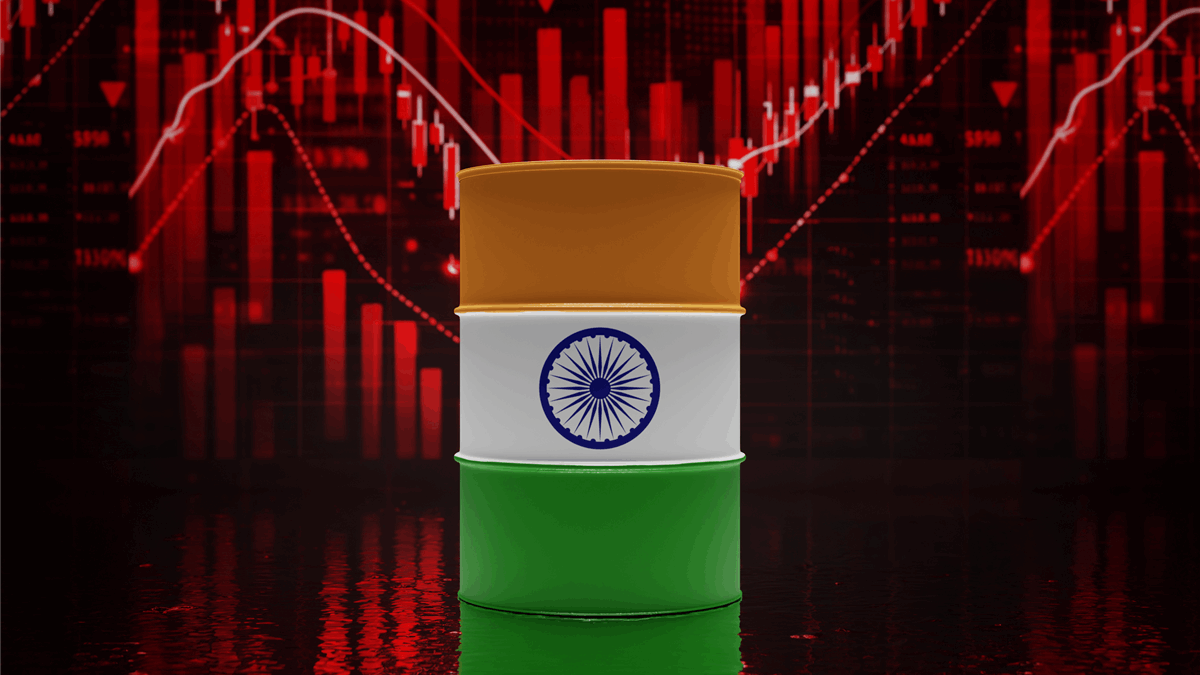
As the Indian economy navigates volatile global energy markets, analysts are projecting a strategic shift in domestic fuel policy. According to a recent assessment by Oxford Economics, the central government may implement a moderate hike in petrol and diesel prices as early as November. This potential move is viewed by market experts as a calculated “window of opportunity” for oil marketing companies (OMCs) to realign retail rates with international crude benchmarks before the political landscape shifts ahead of critical state elections slated for early next year.
Strategic Timing in a Political Climate
The retail pricing of fuel in India remains a highly sensitive issue, carrying significant political weight. Historically, the government has exercised restraint in passing on the volatility of global oil prices to consumers during periods leading up to major electoral contests to avoid inflationary pressure and public backlash. However, with the upcoming state assembly elections, policymakers are under pressure to balance fiscal prudence with voter sentiment.
Oxford Economics suggests that November offers a rare political lull—a brief gap between the current fiscal cycle and the heightened campaigning phase of the next election. By adjusting prices now, the government could mitigate the burden on OMCs, which have been forced to absorb losses while international crude prices fluctuated, without triggering the prolonged political fallout that typically accompanies price hikes closer to polling days.
Addressing the Fiscal Gap
The core of the issue lies in the widening disconnect between global crude costs and domestic pump prices. While international energy markets have faced instability due to geopolitical tensions in the Middle East and supply chain disruptions, Indian consumers have seen relatively stable prices for several months.
Industry experts note that OMCs have been operating on thin margins, and a moderate price correction is essential to ensure the financial health of these state-backed entities. If the government fails to allow a price increase, it risks straining the balance sheets of these corporations, which could ultimately lead to greater reliance on government subsidies or budget reallocations—both of which the Finance Ministry is keen to avoid as it works toward fiscal consolidation goals.
The Impact on Inflation and Consumers
Any increase in fuel prices will inevitably have a ripple effect on the broader economy. Transport costs are a major component of the Consumer Price Index (CPI), and a rise in diesel prices, in particular, could lead to an uptick in the cost of logistics and essential commodities. The Reserve Bank of India (RBI) remains watchful of inflationary trends, and any government move to raise fuel prices will be closely scrutinized for its impact on headline inflation.
Economic observers anticipate that the hike, if implemented, will be kept “moderate” to prevent a sharp spike in living costs. The objective appears to be a recalibration rather than a radical market-driven jump. By opting for a smaller, managed increase, the administration hopes to shore up the stability of domestic energy distribution while keeping the inflationary impact within the RBI’s tolerance band.
As the industry awaits a formal announcement, the focus remains on whether the government will prioritize long-term fiscal health over the immediate optics of fuel affordability. For now, the consensus among analysts is that the window is closing rapidly, and the government must act soon if it intends to bridge the gap before the political temperature begins to rise in earnest.
Disclaimer: This content is auto-generated for informational purposes only.
Source: Read Original News