







India is strategically maneuvering to significantly enhance its domestic production of liquefied petroleum gas (LPG), a crucial cooking fuel, in anticipation of prolonged geopolitical instability impacting global energy supply chains. This proactive stance is a direct response to the ongoing conflict in Iran, which has cast a long shadow of uncertainty over the Strait of Hormuz, a vital maritime chokepoint. Approximately 90% of India’s LPG imports currently traverse this narrow waterway, making the nation highly vulnerable to any disruptions.
The Indian government has issued clear directives to both its state-owned enterprises and private refining companies, urging them to accelerate preparations for a substantial increase in indigenous LPG output. This initiative aims to fortify the country’s energy security and reduce its reliance on volatile international markets. By boosting local production, India seeks to insulate its massive consumer base from potential supply shocks and price fluctuations that could arise from geopolitical tensions in the Middle East.
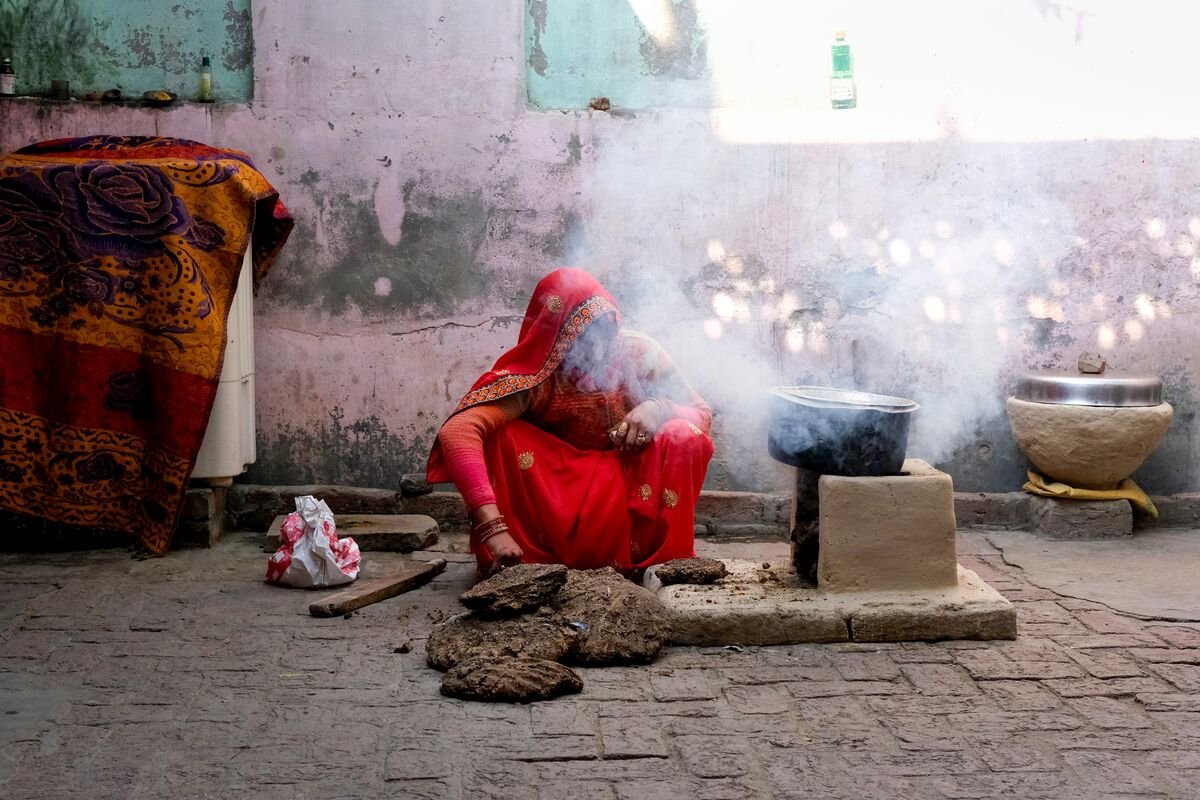
The move underscores a broader national commitment to energy independence and resilience in the face of global uncertainties. Investing in domestic refining capabilities and optimizing existing infrastructure for increased LPG production are key components of this strategy. This pivot towards self-sufficiency is particularly critical given the widespread use of LPG in Indian households for cooking, where it plays a fundamental role in daily life. Any interruption in its supply could have significant socio-economic consequences. The government’s emphasis on expediting these measures reflects the urgency with which it views the potential threats posed by the current geopolitical climate and the need to secure essential resources for its burgeoning population.