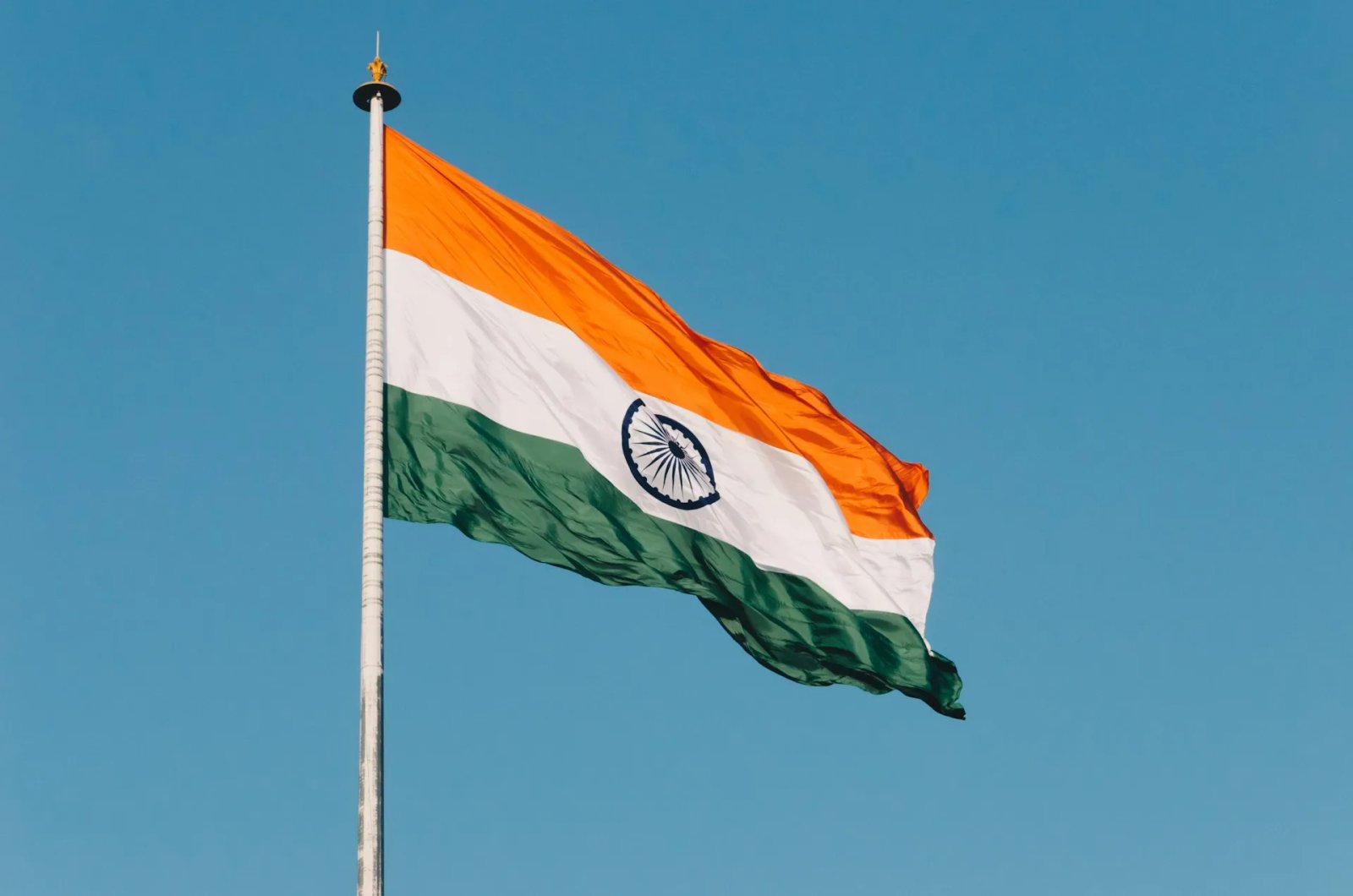










India Rejects International Arbitration Ruling on Indus Waters Treaty
NEW DELHI – In a move that signals a deepening diplomatic rift, India has formally rejected a ruling from the Permanent Court of Arbitration (PCA) in The Hague, which had sought to invalidate New Delhi’s suspension of a long-standing water-sharing agreement with Pakistan.
The dispute centers on the 1960 Indus Waters Treaty, a landmark accord brokered by the World Bank. The treaty governs the distribution of six rivers in the Indus basin, crucial to the agricultural stability of both nations. While the pact has survived three wars and decades of regional instability, it is now facing its most significant test in years.
The Source of Conflict
Tensions flared last year when India moved to suspend the treaty following a terror attack at a popular tourist site in Kashmir, which left 26 people dead. India accused militants from Pakistan of orchestrating the attack, a claim Islamabad has vehemently denied.
In retaliation, India began accelerating the construction of hydroelectric projects in the Jammu and Kashmir region. Pakistan challenged these developments, arguing that the projects—specifically the Ratle Hydroelectric Plant—violate the treaty by potentially altering the flow of the western rivers (the Indus, Jhelum, and Chenab), which are allocated primarily to Pakistan under the agreement.
The Court’s Ruling
The Permanent Court of Arbitration issued an interim measure on Monday declaring that the Indus Waters Treaty remains fully in force. The court asserted that India has no legal justification for suspending the agreement and issued a directive prohibiting the construction of specific structures at the Ratle project until a neutral expert, appointed by the World Bank, delivers a final verdict—expected by July 2027.
The court further emphasized that India must strictly adhere to the treaty’s design and operational requirements for all hydroelectric projects on the western rivers.
India’s Defiant Stance
New Delhi has responded with a categorical rejection of the court’s authority. In an official statement, the Ministry of Foreign Affairs labeled the PCA an “illegally constituted” body and declared that its directives carry no weight.
“This so-called court of arbitration has no jurisdiction whatsoever to pronounce on India’s sovereign decisions,” the ministry stated, adding that any future pronouncements from the court would have “no effect on India’s actions.”
Regional Implications
For Pakistan, the ruling serves as a vital diplomatic win. The country’s Ministry of Information welcomed the findings, reiterating that India remains “bound by and must observe its obligations” under the original 1960 agreement.
The Indus Waters Treaty has long been regarded as one of the world’s most successful examples of water diplomacy. However, as India continues to press forward with its infrastructure projects, experts fear that the escalating rhetoric and the disregard for international arbitration mechanisms could lead to a permanent breakdown of the pact, threatening water security for millions of farmers across the region.