









India Scales Up Massive Relief Efforts in Flood-Ravaged Nepal as Search for Missing Continues
NEW DELHI/KATHMANDU: India has intensified its humanitarian response to the catastrophic flash floods triggered by the Bhote Koshi River on August 26, solidifying its role as a “first responder” in the region. As the death toll rises and search operations continue, New Delhi has deployed extensive air and land support to assist the Himalayan nation in its time of crisis.
Rescue and Accountability
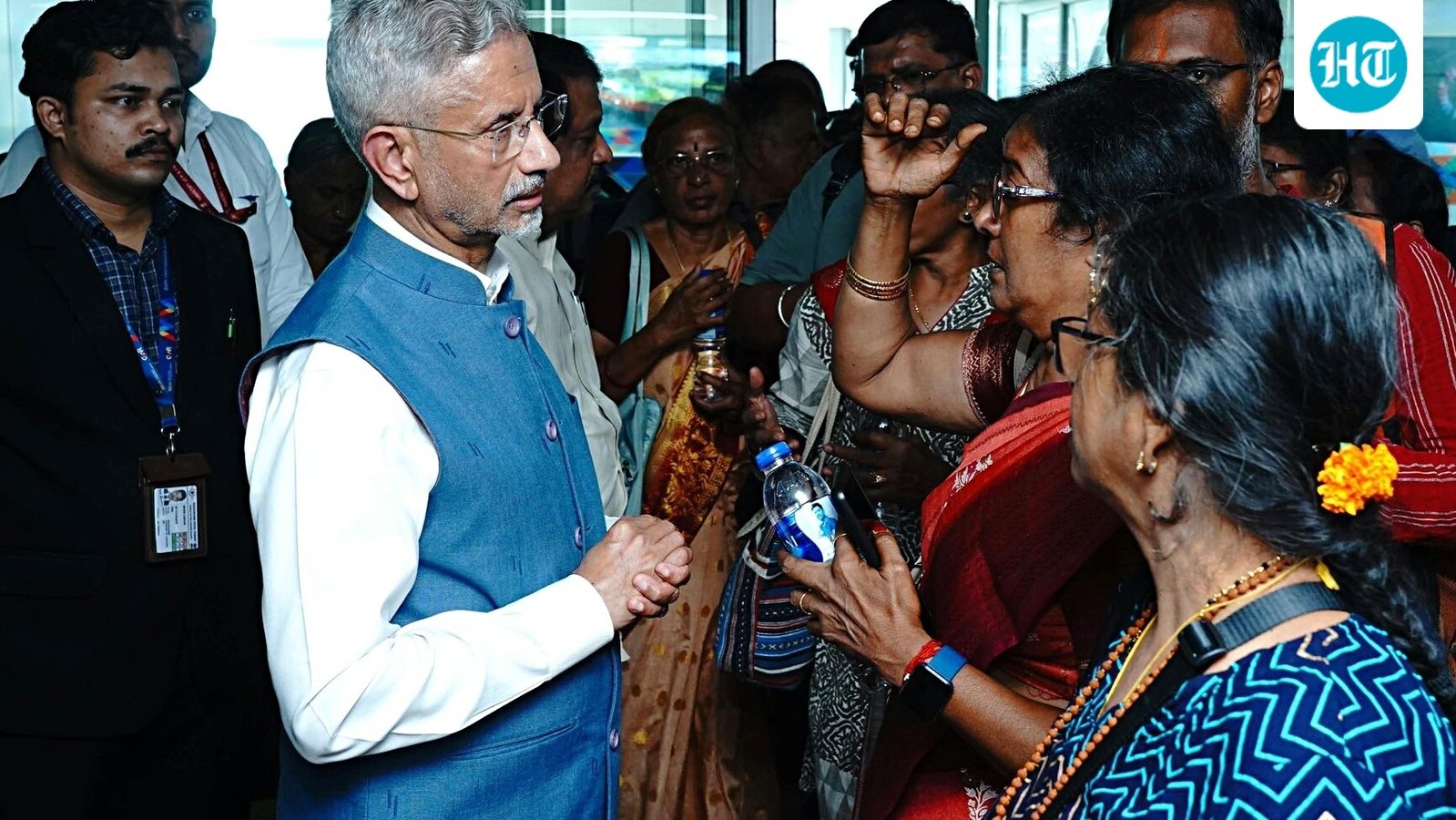
Ministry of External Affairs (MEA) spokesperson Randhir Jaiswal provided a sobering update on Saturday night, confirming that 108 Indian nationals had been successfully evacuated from disaster-stricken areas. Additionally, communication has been re-established with 40 others.
While significant progress has been made, the situation remains precarious. Authorities are still working to locate 275 Indian nationals and 128 Persons of Indian Origin (PIOs) who remain missing. In a parallel effort to ensure the safety of citizens near the border, Jaiswal noted that 598 Indians have safely crossed into Nepal from China, while approximately 900 more remain in contact with the Indian Embassy in Beijing, awaiting transit.
To assist families in identifying victims, the Indian Embassy in Nepal has released official guidelines, including dedicated helpline numbers and contact email addresses for those seeking information regarding mortal remains.
A Robust “First Responder” Strategy
India’s commitment to the relief effort has been swift and substantial. External Affairs Minister Dr. S. Jaishankar confirmed that a fourth Indian Air Force (IAF) flight landed in Kathmandu, bringing the total humanitarian aid airlifted to 68.5 tonnes. This latest consignment includes 11 tonnes of emergency supplies such as blankets, sleeping bags, hygiene kits, and tarpaulins.
Beyond immediate humanitarian aid, India is focusing on long-term connectivity. Sixteen trucks carrying components for a 230-foot Single Lane Modular Steel Bridge have already arrived in Nepal. Furthermore, the Indian government is preparing to dispatch equipment for seven additional Bailey bridges, accompanied by specialized technical teams to oversee installation in the flood-hit regions.
This massive logistical mobilization—which includes food packets, water purification tablets, and heavy technical gear—highlights the scale of the Indian government’s relief operations. India continues to distinguish itself by providing rapid aid, echoing recent humanitarian efforts in nations like Türkiye, Syria, and Sri Lanka.
Infrastructure and Ongoing Challenges
The disaster has had a devastating impact on Nepal’s infrastructure, particularly at various hydropower sites where hundreds of workers were reported trapped or missing. While Nepal initially signaled it would handle the crisis independently, the government has since requested specialized Indian tunnel rescue teams to address the complexities of the disaster.
In Kathmandu, officials remain in a state of high alert. Prime Minister Balen Shah emphasized that the government will continue to operate at maximum capacity until the safety and rehabilitation of all affected citizens are secured. Search and rescue operations remain active around the clock, with international coordination playing a pivotal role in the ongoing recovery of vital infrastructure and the search for the missing.
As the search continues, the international community watches closely, acknowledging the strong bilateral cooperation between India and Nepal in managing this severe climate-induced emergency.