








- SECI is seeking an additional 1 million metric tons of domestically produced green ammonia annually for India’s fertiliser sector.
- India’s fertiliser industry uses about 20 million tons of grey hydrogen each year, exposing manufacturers to imported gas and geopolitical supply risks.
- The expansion supports India’s $2.1 billion National Green Hydrogen Mission and its target of producing 5 million tons of green hydrogen by 2030.
India is preparing another major expansion of domestic green ammonia supply as it moves to reduce fertiliser producers’ dependence on imported fossil fuels.
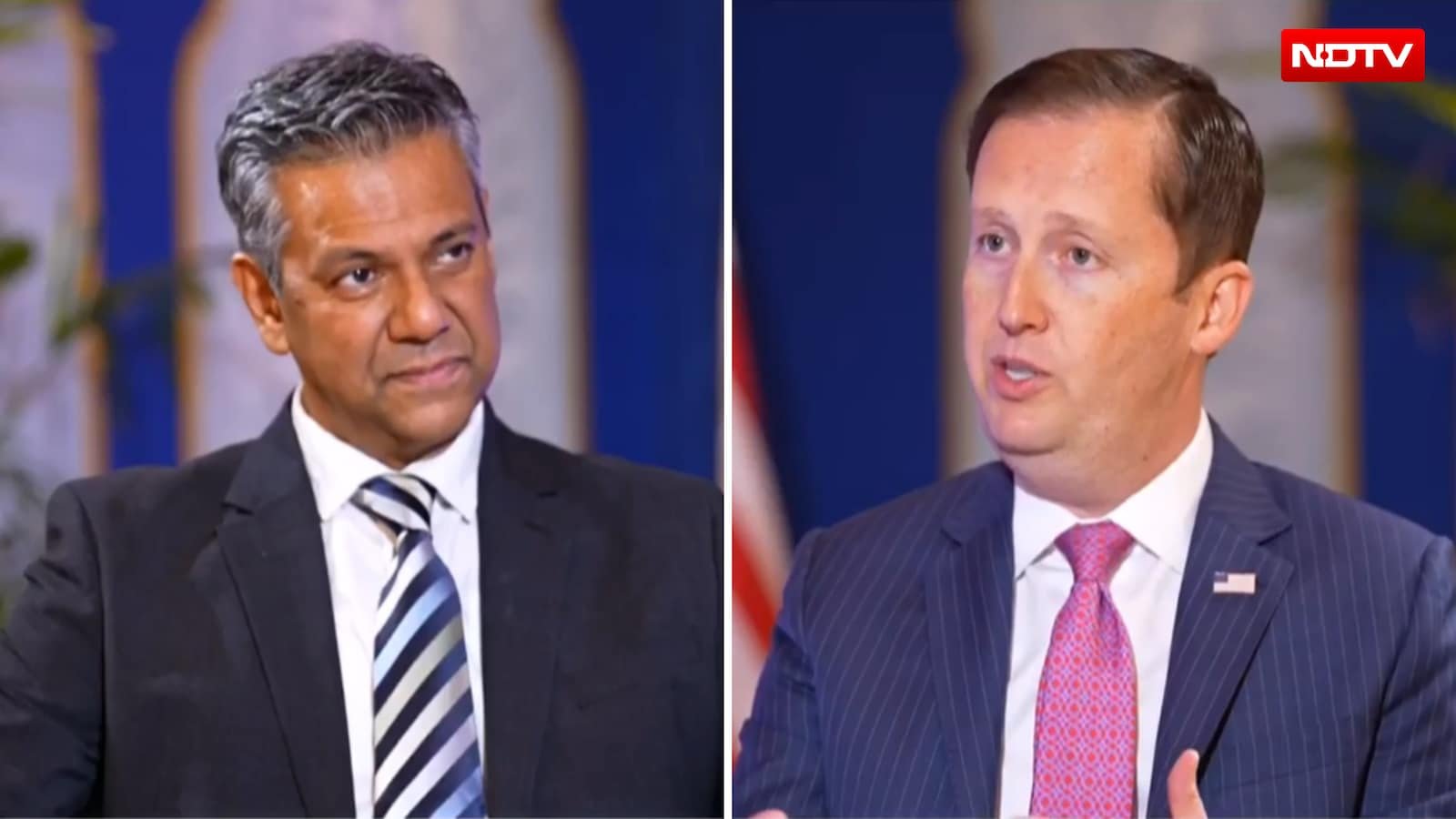
The state-owned Solar Energy Corporation of India, or SECI, is seeking to supply an additional 1 million metric tons of locally produced green ammonia to fertiliser manufacturers each year. Managing Director Akash Tripathi said the proposed supply would be awarded entirely through tenders.
The move adds to 724,000 tons of green ammonia already covered by offtake agreements announced by SECI in March. Those agreements involve fertiliser companies and domestic suppliers, including ACME Cleantech and NTPC Green.
Together, the contracted volumes could begin reshaping one of India’s most import-dependent industrial value chains.
Fertiliser sector faces fuel security challenge
India’s fertiliser industry currently consumes about 20 million tons of grey hydrogen annually, according to Tripathi.
Much of that hydrogen is either imported or produced from imported natural gas. Recent disruption to supplies linked to the Iran war has added urgency to India’s efforts to develop domestic alternatives.
Grey hydrogen is generally produced from natural gas or coal and carries significant associated emissions. Green hydrogen uses renewable electricity instead, while green ammonia provides a transportable hydrogen derivative suitable for industries such as fertilisers.
That distinction matters for India both economically and strategically.
Fertiliser production is closely tied to food security, while dependence on imported natural gas leaves producers vulnerable to international price swings and geopolitical disruption.
Building domestic green ammonia capacity could therefore address two government priorities at once: industrial decarbonisation and energy security.
SECI uses tenders to build domestic demand
SECI has become an important intermediary in India’s emerging hydrogen market. The agency pools demand from industrial buyers and uses competitive procurement to secure supply from producers.
Tripathi said the additional 1-million-ton green ammonia programme would also rely on tenders.
India’s National Green Hydrogen Mission provides about $2.1 billion in incentives to build the domestic industry. The government wants the country to produce 5 million tons of green hydrogen annually by 2030.
The programme has already helped lower production costs.
India has reduced green hydrogen production costs to as little as 279 Indian rupees, or approximately $3 per kilogram. That compares with about $5 per kilogram when the national hydrogen mission was launched in 2023.
Cost remains one of the largest barriers to widespread hydrogen adoption globally.
RELATED ARTICLE: India Launches Centralized Carbon Market Trading Platform to Scale Climate Finance
Several Western governments and companies have scaled back earlier hydrogen ambitions as projects struggled with higher financing costs, expensive infrastructure and slower-than-expected customer demand.
India is taking a different approach by pairing subsidies with public procurement and large industrial buyers.
Industrial demand remains at an early stage
Companies participating in India’s hydrogen programme include Larsen & Toubro, Bharat Petroleum Corp, GAIL and JSW Steel.
Together, companies operating under the initiative currently produce about 8,000 tons of green hydrogen and its derivatives each year.
That remains small compared with India’s 2030 ambitions and the existing scale of fossil-based hydrogen consumption.
However, the fertiliser sector gives policymakers a potentially large and identifiable source of demand. SECI said the 724,000 tons already covered by agreements could meet roughly one-third of India’s green ammonia requirements.
Tripathi said SECI is also preparing tenders for domestically supplied green methanol. Those tenders are expected to be issued within the next two months.
For executives and investors, India’s strategy illustrates how government-backed demand aggregation can help build markets for emerging low-carbon fuels.
If tender volumes translate into operating projects, the model could reduce import exposure while giving hydrogen developers greater revenue certainty.
The broader test will be whether India can convert falling production costs and public incentives into commercially durable demand. Success would strengthen its domestic fertiliser supply chain and offer another model for scaling green hydrogen in emerging industrial economies.
The ESG News Editorial Team is comprised of veteran financial journalists and sustainability analysts dedicated to providing real-time, objective reporting on global ESG regulations, climate finance, and corporate governance. Our desk monitors daily developments from the SEC, IFRS, CSRD and international regulatory bodies to ensure our 1M+ readers receive accurate, data-driven insights into the evolving sustainable investment landscape. Follow the ESG News Editorial Team for expert reporting on global sustainability standards, ESG disclosures, and climate policy. Access over 10,000 investigative reports and real-time updates.