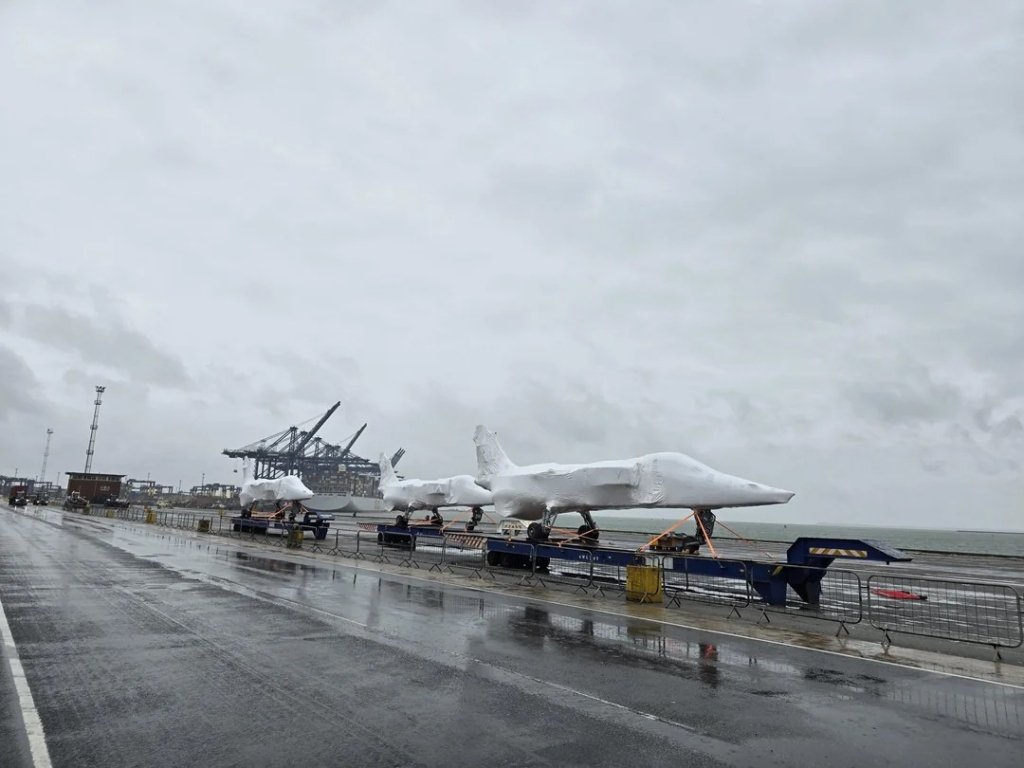
Nearly two decades after the Royal Air Force retired its last SEPECAT Jaguar, India is preparing to bring nine of the aircraft back into its inventory—not to fly them, but to take them apart.
According to reports first published by the Indian Defence Research Wing (IDRW), the Indian Air Force is set to receive nine decommissioned former RAF Jaguars, together with more than 150 categories of spare parts and components, in the latest effort to sustain the world’s last operational Jaguar fleet.
The aircraft are expected to be used as a source of engines, avionics, hydraulic systems, landing gear assemblies and other critical sub-systems for the IAF’s six Jaguar squadrons, which continue to form a key element of India’s deep-strike capability despite the type having disappeared from service elsewhere years ago.
Industry sources indicated that several former RAF aircraft had recently been prepared for shipment from the United Kingdom, reportedly wrapped in protective coverings ahead of their transfer to India. Neither the IAF nor the Indian Ministry of Defence has officially commented on the reported acquisition.
How India is keeping the SEPECAT Jaguar in service
The latest transfer highlights the increasingly complex challenge of maintaining a combat aircraft whose global support network has largely vanished.
India today remains the sole military operator of the Anglo-French Jaguar.
The type was retired by France in 2005, by the United Kingdom in 2007, and by Oman in 2014, leaving the IAF as the only air arm still operating the aircraft in frontline service.
As a result, New Delhi has spent much of the past decade sourcing retired airframes and spare parts from former operators.
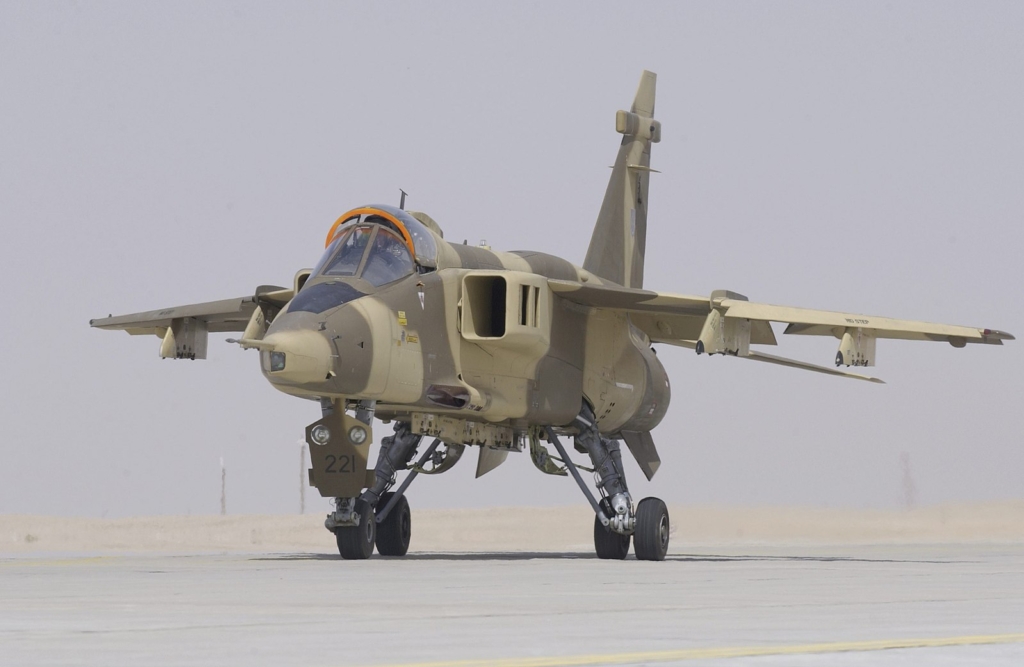
In 2018, France transferred 31 retired Jaguar airframes to India. Oman subsequently provided additional aircraft, Adour engines and thousands of spare parts, while the UK supplied two twin-seat aircraft together with hundreds of serviceable components.
Much of the recovery, dismantling and transportation work was carried out by Hindustan Aeronautics Limited (HAL), which produced the Jaguar under license in India.
The newly acquired British aircraft will follow a similar path. Rather than returning to operational service, they are expected to be dismantled to recover components that are becoming increasingly difficult to source through conventional supply chains.
Why the Jaguar still matters to the Indian Air Force
The Jaguar first entered Indian service in 1979 and eventually became the largest Jaguar fleet anywhere in the world.
More than 160 aircraft were inducted, many of them assembled by HAL.
Over time, the fleet evolved into one of the IAF’s principal deep-penetration strike assets, capable of low-level attack missions against heavily defended targets.
The aircraft serves in three principal variants: the Jaguar IS strike aircraft, the Jaguar IB trainer and the Jaguar IM maritime strike version, which remains a key component of India’s anti-shipping capability.
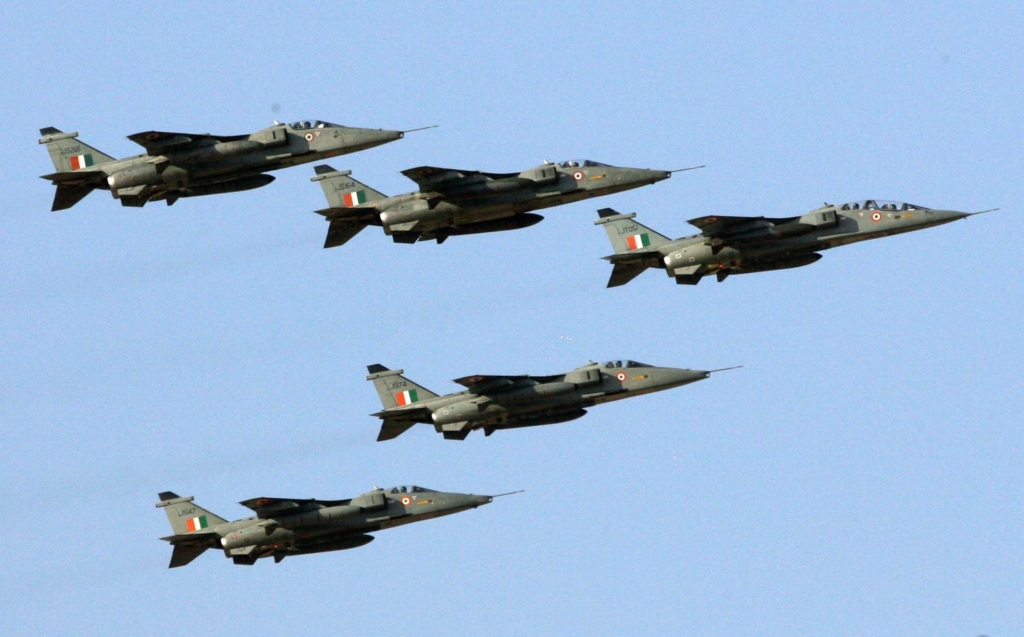
Today, Jaguars continue to operate from bases including Ambala, Gorakhpur and Jamnagar, where the maritime strike aircraft remain in service.
Despite its age, the platform has undergone extensive modernisation under the DARIN III programme. The upgrade introduced new mission computers, modern cockpit displays, improved navigation systems and an active electronically scanned array radar.
The aircraft can also employ a wide range of modern weapons, including MBDA’s ASRAAM air-to-air missile, AGM-84L Harpoon anti-ship missiles on maritime variants, and precision-guided munitions integrated through the upgraded avionics architecture.
The Adour engine problem facing India’s Jaguar fleet
Yet the Jaguar’s biggest challenge remains its powerplant. The Rolls-Royce/Turbomeca Adour engines that power the fleet have long been regarded as the aircraft’s principal weakness, particularly in India’s hot-weather operating environment.
For years, the IAF sought to address this through a major re-engining programme centred on Honeywell’s F125IN turbofan.
The proposal promised improved thrust, better payload performance and enhanced operational flexibility.
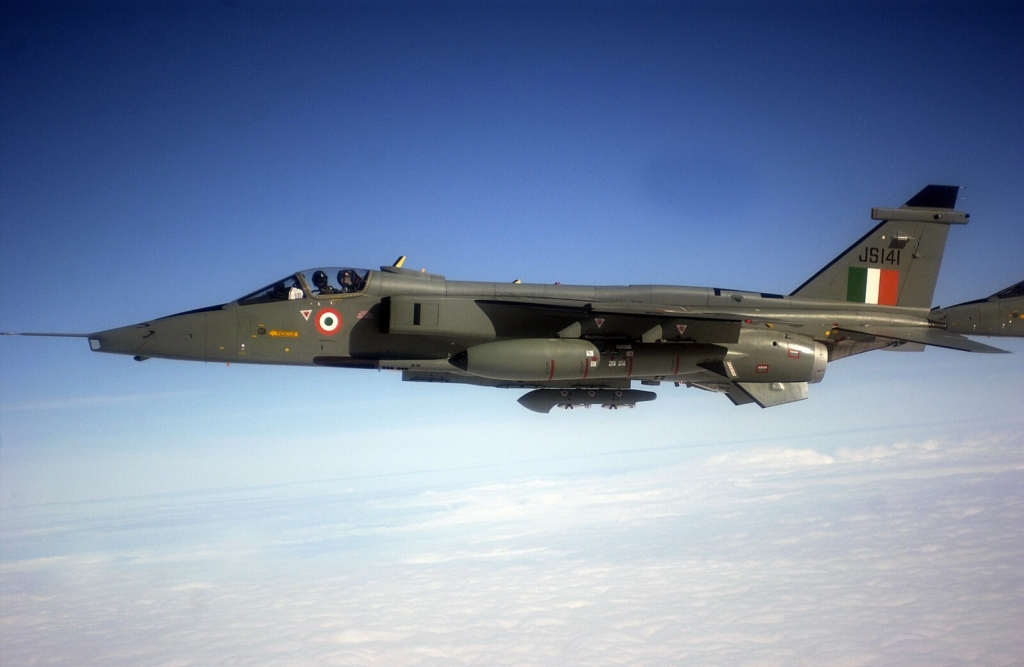
However, the programme was abandoned in 2019 after projected costs rose sharply. Estimates suggested that replacing the engines and modifying each aircraft would cost more than many believed was justified for an ageing fleet.
Since then, the service has relied increasingly on spare engines and components recovered from retired foreign aircraft.
India’s fighter shortage makes the Jaguar even more vital
The Jaguar’s continued survival is also linked to a broader challenge facing Indian air power.
The IAF currently operates around 29 fighter squadrons against an authorised strength of 42. Successive retirements of MiG-21 variants, delays in new fighter acquisitions and the gradual arrival of Tejas Mk1A aircraft have created a capability gap that the service is attempting to manage.
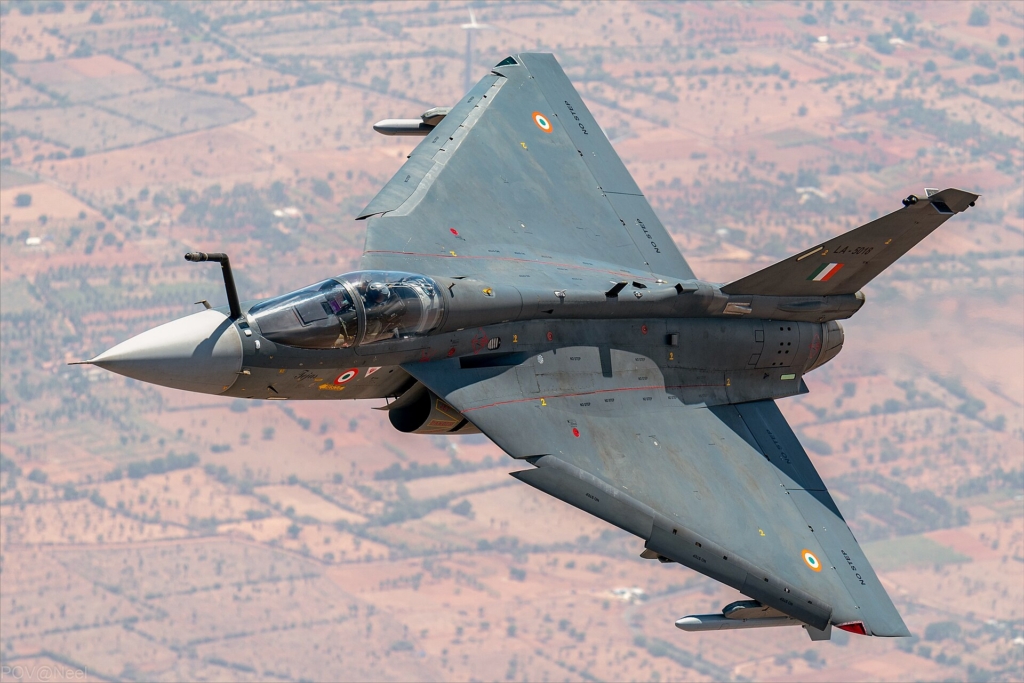
While newer platforms such as the Tejas Mk2, additional Rafales and eventually the Advanced Medium Combat Aircraft are expected to enter service in the coming years, they will not arrive quickly enough to replace existing fleets immediately.
As a result, the Jaguar continues to provide a valuable strike capability while helping the IAF maintain squadron numbers during a prolonged transition period.
Earlier this year, defence officials indicated that the oldest Jaguars could begin retiring between 2028 and 2031, although upgraded DARIN III aircraft may remain operational for longer.
The SEPECAT Jaguar’s remarkable second life in India
Few combat aircraft have followed a path quite like the Jaguar’s.
Conceived as an Anglo-French programme during the Cold War, the aircraft entered service in the 1970s and was designed for low-level strike missions at high speed.
It went on to serve with the air forces of Britain, France, Oman, Ecuador, Nigeria and India before disappearing from frontline service almost everywhere else.
Yet nearly half a century after joining the IAF, the aircraft continues to fly operational missions.
The arrival of nine retired RAF Jaguars underscores a reality that has become increasingly familiar to Indian planners: keeping the Jaguar airborne now depends as much on recovering parts from museum-age aircraft as on maintaining the jets still flying.
For the moment, however, the strategy appears set to keep one of the world’s oldest frontline strike aircraft in service for several more years.
Featured image: IAF