








The Resilience of Indian Exports Amidst Global Volatility
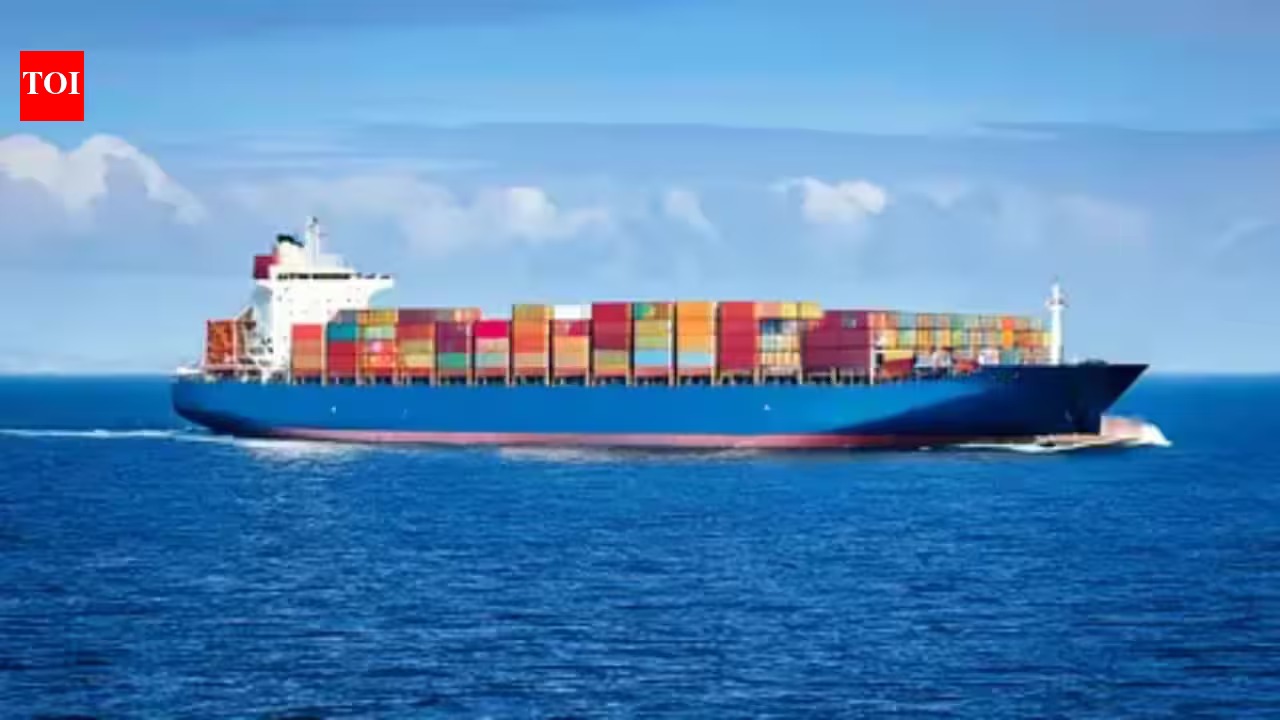
The global trade landscape in 2026 presents a complex tapestry of geopolitical tensions, supply chain disruptions, and shifting economic priorities. Despite these headwinds, India has demonstrated remarkable resilience, recording an export growth trajectory of over 15 percent in the first five months of the current fiscal year. This performance, highlighted by Commerce and Industry Minister Piyush Goyal, underscores the structural strength of the Indian economy and its ability to maintain competitiveness even as developed markets struggle with instability and inflationary pressures.
The merchandise export figures for the April-July period, showing a 17.04 percent rise to $173.78 billion, reflect a diversified approach to global commerce. While imports have also seen an upward trend of 19.27 percent, reaching $292.38 billion, the sheer volume of export growth confirms that Indian manufacturing and service sectors are successfully penetrating new markets. This performance is not merely a result of favorable pricing but indicates a deepening integration of Indian producers into the global value chain. For the domestic business community, these figures serve as a validation of the ongoing focus on productivity enhancements and the gradual transition toward high-value manufacturing.
Strategic Imperatives for BRICS Economic Cooperation
The discourse around India’s export success is increasingly linked to its role within the BRICS bloc. As global trade becomes more fragmented, BRICS nations have recognized the need for a cohesive strategy to insulate their economies from external shocks. The vision articulated at the recent Women-Led Development Summit emphasizes that the next stage of growth must be driven by deliberate policy interventions that prioritize small and medium enterprises (MSMEs) and women-owned businesses.
Minister Goyal identified three fundamental barriers that currently stifle the potential of trade within the bloc: access to finance, access to buyers, and the presence of predictable, standardized trade rules. Addressing these hurdles requires moving beyond annual summits and toward institutionalized support structures. By facilitating delegations, sector-specific trade missions, and formal mentorship programs, the member nations aim to create a more inclusive ecosystem. For Indian businesses, this transition represents a significant opportunity to scale operations by leveraging the collective consumer base of the BRICS nations, which remains one of the fastest-growing economic clusters in the world.
Digital Transformation and the Future of Trade Infrastructure
Perhaps the most ambitious aspect of the current trade agenda is the push for a common digital infrastructure. The concept of a unified BRICS platform for international trade aims to solve the problem of information asymmetry that often prevents smaller firms from reaching international clients. By integrating electronic trade documents—such as e-invoices, electronic bills of lading, and e-customs declarations—nations can significantly reduce the transaction costs that currently hinder cross-border movement of goods.
Digital integration is no longer a luxury; it is a necessity for achieving efficiency. In the Indian context, the government’s push for direct certificate-of-origin applications from business software is a clear signal of the transition toward a paperless, automated trade environment. By aligning these domestic advancements with a broader, common BRICS standard, Indian companies stand to gain a competitive advantage in processing times and regulatory compliance. The objective is to replace opaque bureaucratic processes with transparent, tech-enabled verification systems that allow even the smallest MSME to participate in global trade with the same ease as a large conglomerate.
The Untapped Potential of Services Trade
While merchandise exports have traditionally garnered the most attention, the services sector represents a significant, yet underutilized, frontier for growth. With global services trade approaching the $10 trillion mark, the current levels of intra-BRICS services trade are disproportionately low. This gap presents a massive opportunity for the Indian services industry, which has already established global leadership in software development, remote infrastructure management, and business process outsourcing.
Expanding the footprint of Indian service providers into BRICS markets requires a shift in how services are conceptualized for trade agreements. The focus is moving toward the cross-border delivery of professional services enabled by the digital economy. By easing the movement of professionals and standardizing digital service regulations, India can leverage its demographic dividend to provide high-value services across the bloc. Women entrepreneurs, in particular, are positioned to spearhead this growth, as the services and digital sectors often require lower capital expenditure and rely heavily on technical skill sets and creative problem-solving, areas where India possesses a deep talent pool.
Financing and Policy Support for Inclusivity
Financial inclusion remains the cornerstone of sustainable trade development. The proposal for an invoice discounting platform specifically tailored to the needs of women exporters is a critical initiative that addresses the liquidity crises often faced by smaller players. When banks and Export-Import (Exim) banks align their lending decisions with the reality of trade cycles and validated e-invoices, it removes the heavy reliance on traditional collateral, which has historically been a limiting factor for women-led businesses.
Furthermore, the transition of the Women’s Advancement Fund from a conceptual framework to a concrete, operational initiative will be essential. This fund is intended to provide the necessary fiscal cushion for MSMEs to invest in marketing, compliance, and international networking. For the Indian business sector, the success of this fund will likely be measured by its ability to catalyze private-sector investment alongside government support. By bridging the financing gap, the policy framework aims to ensure that the 15 percent export growth observed this year is not just a temporary spike, but the foundation for a consistent, long-term expansion of the Indian economic footprint in the global market.
In conclusion, India’s trade performance amidst current global uncertainty suggests a robust foundation for future expansion. By focusing on digital infrastructure, strengthening intra-BRICS cooperation, and unlocking the potential of the services and women-led sectors, India is effectively diversifying its economic reach. The transition toward a more integrated, tech-driven, and inclusive trade policy will be the defining factor in determining whether the nation can sustain this growth momentum through the remainder of the decade. Businesses that align their operations with these digital and inclusive shifts are likely to find themselves at the forefront of the next wave of global trade expansion.
Disclaimer: This content is auto-generated for informational purposes only.
Source: Read Original News