





Samay Raina Faces Backlash Over Regional Remarks on ‘India’s Got Latent 2’; Politicians Call for Restraint
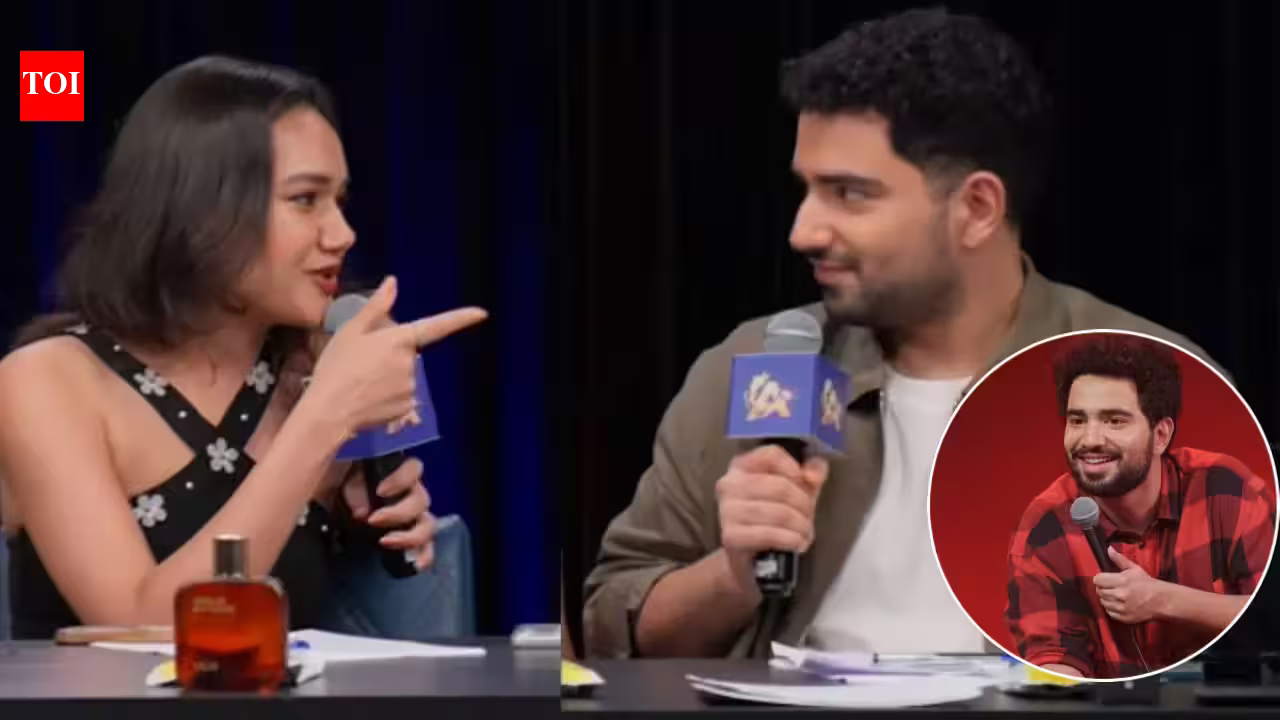
Comedian Samay Raina has found himself at the center of a national firestorm following a recent episode of his popular show, India’s Got Latent 2. The controversy stems from an exchange between Raina and fellow comedian Sharon Verma that targeted regional identities, specifically involving Bihar and Jammu and Kashmir, sparking sharp rebuke from political leaders across the spectrum.
The Content of the Dispute
During the episode, which featured a panel including Orry, Archana Puran Singh, and Nishant Suri, Raina engaged in a series of light-hearted jabs with Sharon Verma. The banter quickly turned to sensitive territory, with Raina mocking Verma’s Bihari heritage and common stereotypes regarding internal migration. Verma retorted by making a quip regarding Raina’s Kashmiri roots and the history of displacement in the region.
While the on-air interaction appeared to be a mutual exchange between two performers, the subsequent circulation of clips on social media ignited a widespread debate regarding the boundaries of acceptable humor.
Political Leaders Weigh In
The remarks prompted a wave of condemnation from political figures, many of whom argued that the jokes crossed the line into regional discrimination.
Shiv Sena (UBT) leader Anand Dubey led the criticism, labeling the show as obscene. “These people will stoop to any level just to make money. Samay Raina understands neither Bihar nor Jammu and Kashmir properly,” Dubey stated. “Just stick to comedy. Why drag specific castes, states, or religions into it?”
Bihar Education Minister Mithilesh Tiwari echoed these concerns, calling the remarks “intolerable” and noting that such content threatens the unity of the nation. Similarly, BJP MLA RS Pathania expressed his disapproval, arguing that the comedian has repeatedly ignored social ethics and legal guidelines regarding sensitive public discourse.
Others, including senior BJP leader Ram Kadam, called for more stringent legislation to curb content that hurts public sentiments. “For publicity stunts, people start dragging in gods, goddesses, or regional sentiments. It is time to enact a strict law so that no one has the courage to do such things,” Kadam remarked.
A Spectrum of Opinions
While many leaders demanded consequences, some adopted a more nuanced or moderate stance. Shiv Sena leader Sanjay Nirupam admitted the jokes were in poor taste—particularly those referencing the historical suffering of Kashmiri Pandits—but suggested that the incident should ultimately be viewed as misguided humor.
Aam Aadmi Party (AAP) leader Sanjay Singh offered a more conciliatory perspective, stating, “If a comedian says something like this, their intention is to make people laugh. I think it is not right to turn it into an issue. Instead, one should engage in dialogue with them.”
The Road Ahead
As the Samay Raina controversy continues to gain traction, neither the comedian nor Sharon Verma has issued an official statement or apology.
The incident highlights a growing tension in the digital age: the clash between artistic freedom in stand-up comedy and the responsibility of public figures to remain sensitive to the diverse cultural and political histories of India’s states. With calls for stricter regulations gaining momentum, the incident serves as a significant flashpoint in the ongoing national conversation about the limits of satire.