







Indian Ship Recycling Sector Gains Momentum Amid Favorable Economic Shifts
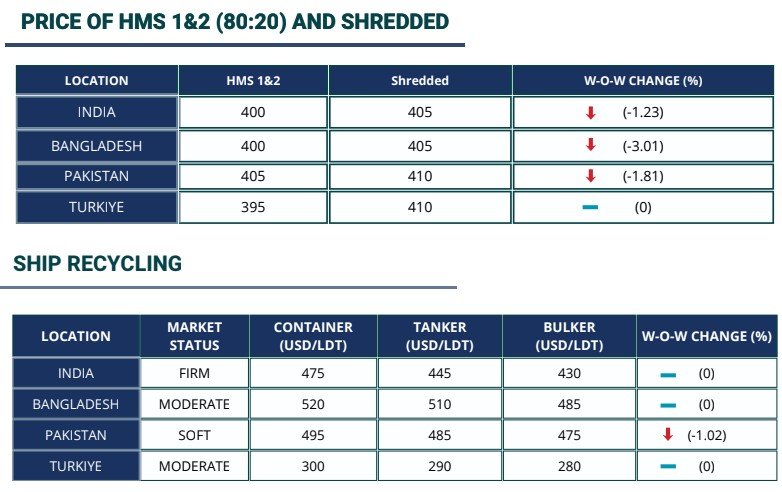
The Indian ship recycling industry has experienced a notable upswing over the past week, driven by a confluence of favorable macroeconomic indicators and revitalized domestic demand. According to the latest market analysis from industry leader Best Oasis, the sector is benefiting significantly from the strengthening of the Indian Rupee against the US Dollar, a trend largely attributed to recent strategic interventions and monetary policy adjustments by the Reserve Bank of India (RBI).
This currency appreciation, paired with a marked improvement in local steel sales, has fostered a optimistic environment among ship recyclers. As the national currency firms up, the purchasing power for international tonnage has improved, allowing Indian players to remain competitive in a global market defined by scarce supply.
A Supply-Constrained Global Landscape
While India enjoys positive sentiment, the broader international ship recycling market remains characterized by extreme tightness. The availability of vessels suitable for recycling has reached a near-dry state, creating a highly competitive atmosphere where buyers are quick to capitalize on any available opportunities.
In Bangladesh, the market continues to mirror the scarcity seen elsewhere, with buyers displaying a strong appetite for tonnage despite the limited number of vessels hitting the market. While local steel prices have shown signs of climbing, the country faces broader economic headwinds, with the IMF recently downwardly revising its 2027 GDP growth forecast for the nation.
Conversely, the Pakistani market is currently grappling with a downturn. Buying interest in Gadani has cooled significantly, as domestic recyclers contend with an influx of affordable steel goods flooding in from Iran. This supply surge has placed substantial downward pressure on local scrap and wire rod prices, leading to a decline of roughly USD 25–30 per ton. The market is also closely monitoring the arrival of a damaged tanker, previously involved in a security incident in the Strait of Hormuz, which has become a focal point of interest for the industry.
Mixed Signals Across Regional Markets
Industry experts at shipbroker Intermodal have corroborated these regional discrepancies. While Alang, India’s primary ship-breaking hub, has seen a firming of sentiment and increased activity, the Turkish market remains largely stagnant. In Aliaga, import prices have slipped by approximately USD 9 per ton, and the depreciation of the Lira continues to create uncertainty. Despite the general stability in vessel prices in Turkey, the lack of fresh sales and a slowdown in local steel demand have kept the market in a state of cautious observation.
For India, the path forward appears promising, provided that the current economic interventions by the central bank continue to stabilize the currency. However, the industry remains tethered to the global supply of decommissioned vessels. Analysts suggest that any potential easing of international sanctions on specific tanker fleets could provide a much-needed influx of candidates to the market, further supporting the recovery and long-term viability of the Indian ship recycling sector in the coming months.
As the market enters this next phase, the focus remains on navigating the volatility of global steel prices and the ongoing scarcity of older vessels available for dismantling.
Disclaimer: This content is auto-generated for informational purposes only.
Source: Read Original News