









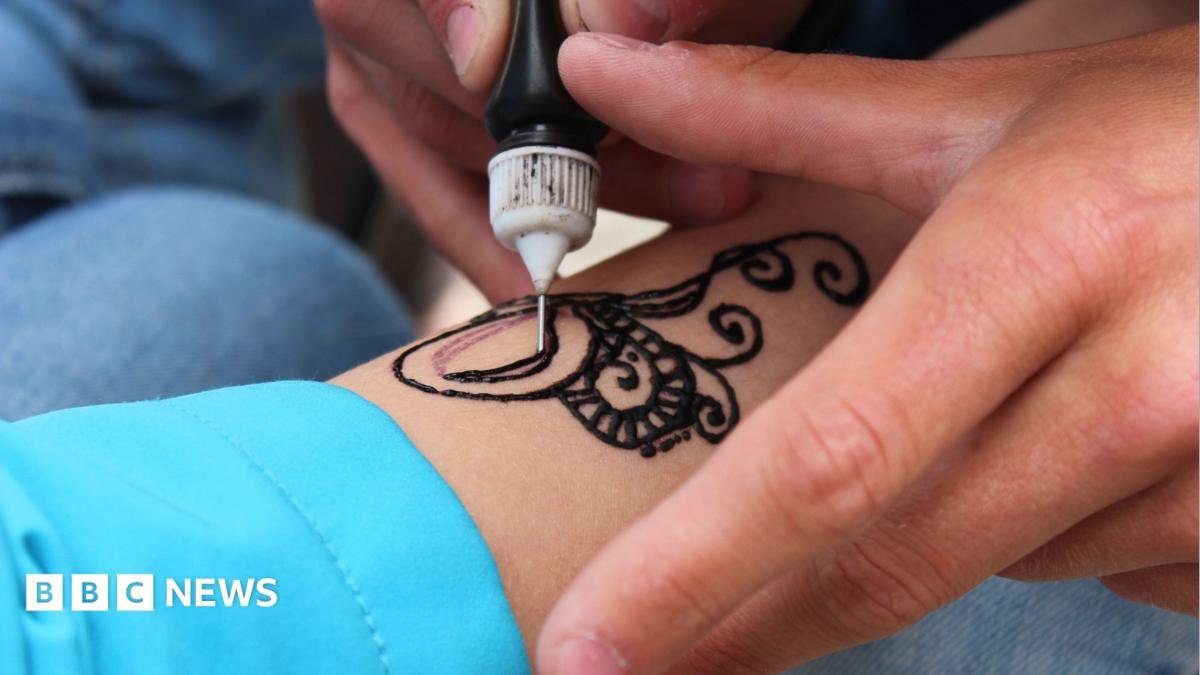
Local council authorities are doubling down on strict regulations governing mobile cosmetic procedures, citing significant public health risks that existing digital monitoring and AI-driven compliance tools are currently unable to fully mitigate. The move, highlighted by reports from the Local Democracy Reporting Service, underscores a growing divide between regulatory bodies and the evolving landscape of mobile service provision.
## The Push for Fixed-Site Regulation
At the heart of the debate is the distinction between fixed-site clinics and mobile cosmetic practitioners. While some regional authorities have adopted flexible interpretations of current legislation—allowing mobile businesses to operate in vehicles or temporary pop-ups—others are enforcing a rigid “fixed premises only” policy.
The rationale provided by the council centers on the uncompromising necessity of infection control. Cosmetic treatments that involve invasive techniques, such as micro-needling, tattooing, or filler injections, carry inherent risks, including the transmission of blood-borne pathogens. According to the council’s findings, which are backed by independent legal advice, these risks are significantly harder to manage in a mobile environment. By mandating fixed locations, regulators argue they can maintain higher standards for clinical hygiene, specialized waste disposal, and ongoing sanitary surveillance.
## Technology’s Role in Modern Oversight
While the council’s decision prioritizes physical infrastructure, the broader beauty and health sector is increasingly relying on software to bridge the gap between compliance and convenience. Within the tech industry, developers are creating digital platforms that allow mobile practitioners to maintain rigorous standards. These include cloud-based health record systems that use encrypted databases to track client history, ensuring that practitioners have access to vital medical data regardless of their physical location.
Furthermore, artificial intelligence is being integrated into administrative software for the aesthetic industry. AI-powered diagnostic tools and inventory management systems are being used by clinics to ensure that sterile equipment is accounted for and that hazardous waste disposal protocols are triggered automatically. However, the council’s stance highlights a potential limitation in this tech-forward approach: digital tools cannot replicate the physical environmental controls—such as hospital-grade ventilation, dedicated sterilization rooms, and controlled plumbing—that fixed facilities offer.
The friction between these mobile-ready technologies and the councils’ physical requirements suggests that for the time being, the law favors controlled, stationary environments over the agility provided by modern tech-enabled mobile clinics.
## Navigating Regulatory Ambiguity
The legal landscape regarding these services remains fragmented. Because existing legislation is susceptible to varying interpretations, different councils have arrived at different conclusions, leading to a “postcode lottery” for mobile practitioners. Some regions have utilized this ambiguity to support business growth and mobile access, while others, like the council in question, are prioritizing a precautionary principle to shield the public from potential health hazards.
For tech companies looking to disrupt the cosmetic sector, this regulatory pushback serves as a critical signal. It implies that future innovation in the “beauty-tech” space must look beyond just booking apps and CRM tools. If companies hope to legalize or normalize mobile cosmetic services, they must now consider developing “smart” hardware solutions that can prove, through real-time sensors and IoT (Internet of Things) connectivity, that a mobile vehicle or unit meets the same stringent hygiene standards as a brick-and-mortar medical office.
Until such technological validation becomes standard, the council’s decision serves as a stark reminder that in the medical and cosmetic fields, physical safety protocols currently outweigh the convenience of digital mobility. Practitioners and business owners are now left to navigate a landscape where legal interpretation—and a lack of uniform national policy—remains the biggest barrier to the expansion of mobile health services.
Disclaimer: This content is auto-generated for informational purposes only.
Source: Read Original News