




NEW DELHI — The gears of Indian Olympic administration are shifting into high gear as the Indian Olympic Association (IOA) officially sets the stage for a landmark electoral transition. With the expiration of the current Executive Council’s term looming on December 10, the IOA has confirmed that the vital polls to determine the future leadership of the country’s Olympic movement will take place on December 5.
This transition is far more than a routine changing of the guard; it is a meticulously planned administrative overhaul designed to fortify the governance structure of Indian sport as the nation positions itself on the global stage. To ensure the integrity of this process, the IOA has appointed former Election Commissioner Sanjay Kumar Srivastava as the returning officer. A seasoned retired IAS officer with extensive experience overseeing elections in Delhi and Chandigarh, Srivastava brings a level of administrative rigor that the IOA is eager to showcase as it moves through this high-stakes cycle.
An Electoral Process Defined by Transparency
The mandate for the upcoming elections is comprehensive, encompassing the formation of the new Executive Council, the selection of the IOA Athletes’ Commission, and the finalization of the Sportspersons of Outstanding Merit (SOM) roster. The entire procedure will be conducted in strict adherence to the National Sports Governance Act of 2025, the 2026 rules, and the recently amended IOA Constitution.
Srivastava’s responsibilities will be absolute, covering every touchpoint of the democratic process, from the initial verification of electoral rolls and nomination scrutiny to the eventual polling, vote counting, and the formal declaration of results. By placing the process in the hands of an independent officer, the IOA is signaling a departure from past administrative shadows, moving toward a model where institutional credibility is the primary currency.
The preparatory work is already well underway. On September 18, the IOA launched the first phase of the SOM exercise. This initiative is designed to categorize the nation’s elite athletes based on a specific tier of criteria, ensuring that those with significant competitive achievements have a direct pipeline into the governance framework. The deadline for these applications is October 18, acting as a crucial milestone before the main voting events commence.
Athletes’ Commission: The New Governance Benchmark
Before the primary Executive Council elections take center stage in December, the immediate focus will shift to the IOA Athletes’ Commission. The polls for the 2026–2030 term are slated for November 3, a date that represents a fundamental pivot toward athlete-centric governance.
National Sports Federations (NSFs) have been tasked with nominating two athlete representatives each through their respective internal commissions, with the nomination window scheduled to shutter on October 11. The new commission is slated to be composed of 10 elected members—split evenly between five men and five women—ensuring a balanced, representative voice that prioritizes the needs of those competing in Olympic-category sports.
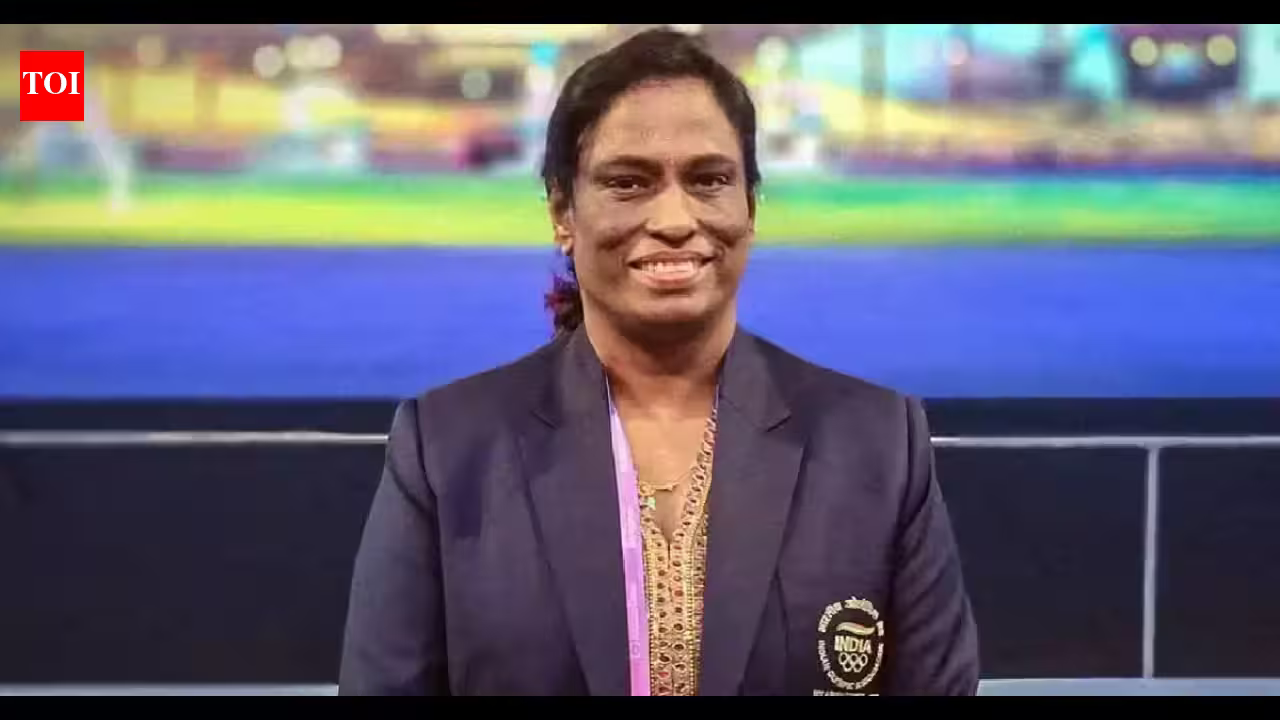
IOA President PT Usha has championed this shift as a historical necessity. “Our objective is to build strong, credible, and athlete-centric institutions, fully aligned with the Olympic Charter and the national sports governance framework,” Usha stated. According to the IOA chief, the inclusion of an experienced former Election Commissioner serves as a testament to the organization’s commitment to a transparent process. “Athletes must have a meaningful role in the governance of Indian sport,” she emphasized, framing the current reforms as an essential step toward achieving long-term sustainability within the Olympic movement.
The 2036 Vision: A Catalyst for Change
The timing of this electoral cycle is anything but incidental. India is currently engaged in a high-stakes, multi-year campaign to secure the hosting rights for the 2036 Olympic Games. With Ahmedabad currently serving as the face of India’s bid, the IOA is acutely aware that the International Olympic Committee (IOC) is observing their internal governance with a magnifying glass.
India currently finds itself in the “Continuous Dialogue” phase with the IOC, sharing the field with heavyweights such as Germany, Hungary, Qatar, the Republic of Korea, South Africa, and Türkiye. For the IOC, a host nation’s bid is judged not just on infrastructure and financial viability, but on the strength, stability, and transparency of its National Olympic Committee.
By streamlining its electoral process, updating its constitution, and prioritizing the integration of active athletes into decision-making roles, the IOA is building the institutional maturity required to host the world’s greatest sporting event. As the country navigates the next few months of campaigning and polling, the primary objective is clear: to present a unified, transparent, and athlete-led organization that is ready to deliver an Olympic Games in 2036.
For the stakeholders, voters, and athletes involved, the IOA has confirmed that all relevant notifications, electoral rolls, and administrative updates will be disseminated through their official website and dedicated communication channels. As December 5 approaches, the Indian Olympic community finds itself at a defining crossroads, with the promise of a more accountable future within reach.
Disclaimer: This content is auto-generated for informational purposes only.
Source: Read Original News