








IPL Maintains Global Elite Status as Asia’s Sports Economy Faces Market Realignment
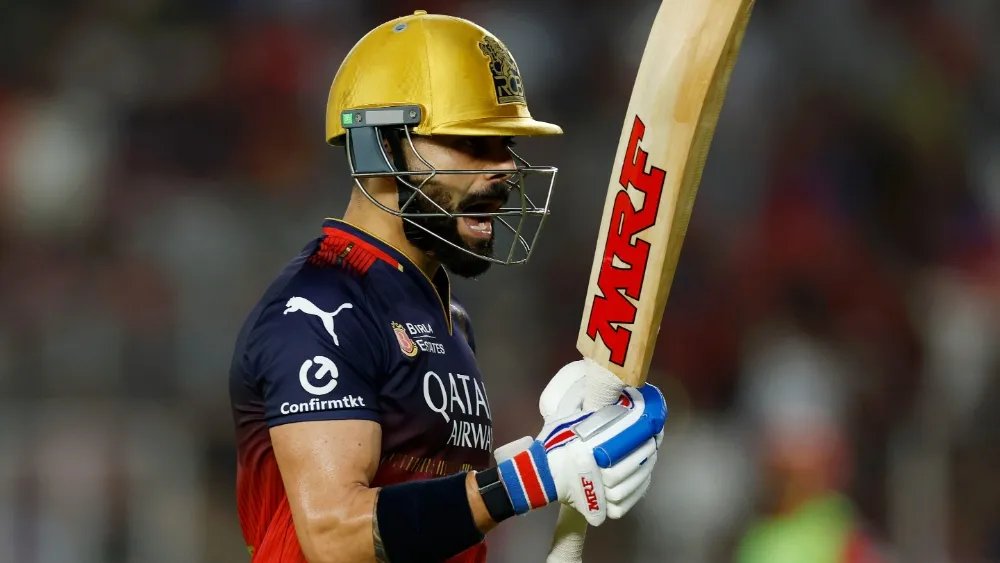
The Indian Premier League (IPL) has cemented its position as the undisputed titan of the Asia-Pacific (APAC) sports landscape, standing as the region’s only property capable of competing with the highest echelons of the global market. According to a comprehensive new report by Media Partners Asia (MPA), titled “APAC’s Sports Economy and Where Value Goes Next,” the IPL remains a financial juggernaut, commanding approximately $12.4 million per match—a valuation that places it on par with the prestigious English Premier League.
In contrast, other regional sports properties face a steep climb. For instance, South Korea’s KBO baseball league currently generates about $100,000 per match. This stark disparity highlights the IPL’s unique role as the primary driver of regional growth; India has accounted for more than half of the total increase in sports rights fees across the APAC region since 2021.
The End of the ‘Easy’ Boom
While the sports industry in Asia has experienced an impressive 10% annual growth in rights fees since 2021, the landscape is shifting. Vivek Couto, CEO and executive director of MPA, noted that the era of effortless expansion is coming to a close.
“This is not the end of sport’s boom in Asia Pacific. It is the end of the easy part,” Couto remarked at the APOS Sports Edge forum in Singapore. MPA projects that the growth rate for sports rights fees in the region will moderate to between 1% and 2% annually through 2030.
Despite this deceleration, the overall commercial sports economy in the region is expected to grow by roughly 5% annually, reaching $19.5 billion by 2030. The primary drivers for this expansion are expected to be sponsorship, ticketing, and hospitality rather than skyrocketing rights fees.
The Streaming Paradigm
Streaming platforms have become the dominant force in sports broadcasting, accounting for 50% of rights fees this year compared to just 36% in 2021. However, the report cautions that relying solely on platform accessibility is a flawed strategy. Only 3% of fans who returned to a sport did so simply because it was available on a service they already subscribed to.
Instead, the future of revenue lies in deepening fan engagement. While the APAC region currently generates only $4 in commercial revenue per person—a figure significantly lower than the $200-plus seen in North America—analysts view this as a massive opportunity for growth. Success in the next decade will likely hinge on rights-holders who move beyond passive broadcasting to provide personalized experiences centered on local stars, women’s sports, and data-driven sponsorship.
A Future Driven by Fans and Stars
The report highlights the explosive potential of women’s cricket in India as a key indicator of future trends. With the 2025 Women’s Cricket World Cup final drawing a staggering 185 million digital viewers, competition for women’s sports properties is expected to intensify, particularly as the Women’s Premier League (WPL) approaches its 2028 rights cycle.
Consumer research conducted by ampd, the data and analytics arm of MPA, underscores that personal connection remains the most potent tool for fan acquisition. Fans are increasingly following individual players, homegrown stars, and even independent content creators rather than just institutions. In fact, fans who track specific pundits or creators are nearly twice as likely to spend money on sports than those who do not.
As the industry matures, the focus will shift from simply securing scarce assets to nurturing the ecosystem. With $14 billion in investment flooding into APAC sports since 2021—most of it concentrated in IPL franchises—the pressure is now on to turn that heavy capital expenditure into sustainable cash flow. Moving forward, the winners will be those who bridge the gap between global scale and local fandom.
Disclaimer: This content is auto-generated for informational purposes only.
Source: Read Original News