








Iran is reviewing a US proposal delivered via Pakistan, as tensions escalate over the Strait of Hormuz, with both sides exchanging warnings.
Iran has announced that it is currently assessing a proposal presented by the United States, facilitated through Pakistan. This comes after recent discussions that did not result in any significant progress.
The Iranian Supreme National Security Council stated that the negotiating team would not yield to any pressures, asserting that it will vigorously protect the interests of the Iranian nation. Reports indicate that the new American proposals have been received in Tehran, but an official response has yet to be finalised.
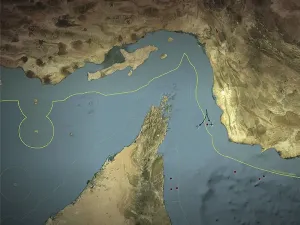
The context of these negotiations is underscored by heightened tensions in the strategically significant Strait of Hormuz, a vital waterway for global oil shipments. On a recent occasion, United States President Donald Trump addressed the situation at a White House event, asserting that Iran would not be allowed to “blackmail” the US regarding the strait’s status. He remarked, “They wanted to close up the strait again… and they can’t blackmail us.”
Iran’s Islamic Revolutionary Guard Corps (IRGC) previously declared that the Strait of Hormuz had returned to a state similar to its prior status, following claims from Iranian officials that the US blockade of Iranian ports has prompted this declaration.
A senior Iranian parliament official, Ebrahim Azizi, lambasted the United States for any perceived attempts to exert influence over the strait, stating, “We warned you, but you ignored it. Now ENJOY the Strait of Hormuz returning to the status quo.”
As global attention remains focused on the ongoing developments, both countries appear entrenched in their positions. The outcomes of current diplomatic efforts continue to hold significant implications for international relations in the region, particularly concerning maritime navigation and energy transport. The situation in the Strait of Hormuz, which sees approximately one-fifth of the world’s oil supply pass through, remains a crucial point of interest for many nations worldwide.