







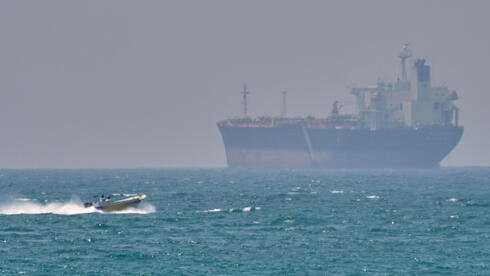
Diplomats in Islamabad called this a complication. It is not a complication. It is the clearest answer yet to the question negotiators have spent weeks avoiding: does Iran view Hormuz as a chip it will eventually return to the international community, or as a permanent strategic weapon? Iran opened Hormuz on Friday to extract a Lebanon ceasefire. It closed Hormuz on Saturday when the US naval blockade remained. The weapon was not surrendered. It was rented for twenty-four hours and then reclaimed.
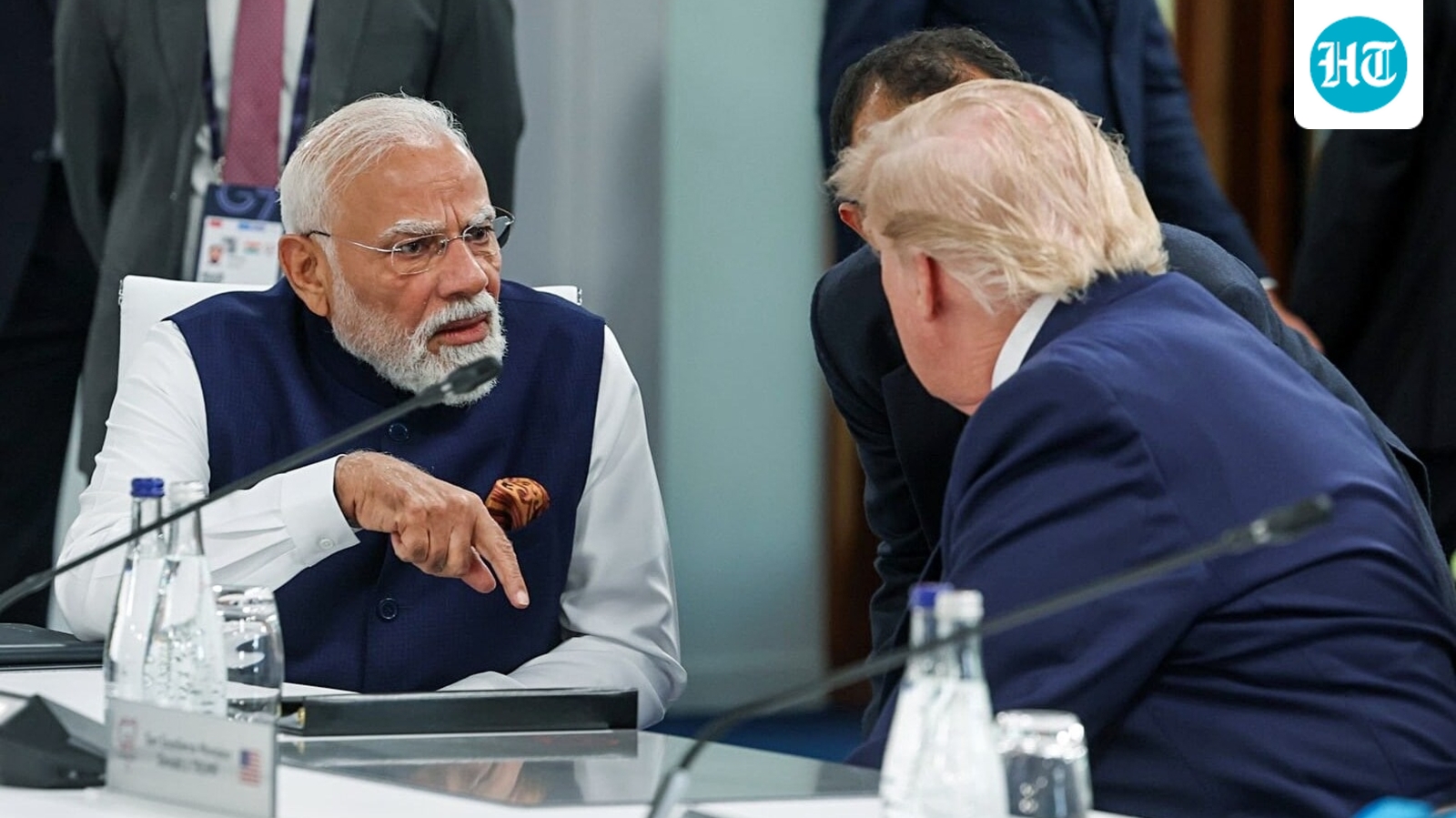
What makes the Indian dimension uniquely revealing is the specific character of the relationship Iran chose to damage. India is not a US ally conducting operations against Tehran. It publicly refused to join the American blockade, declined to condemn Iranian actions at the United Nations, and maintained active commercial ties with Iran throughout the war. India-bound tankers were among the first ships Iran explicitly permitted through its maritime corridor. American officials noted that Iran had earlier let several India-bound ships through before its gunboats fired on Indian-flagged vessels the following day. The reversal was not a miscalculation. It was a signal: no neutrality is safe, no bilateral relationship is immune, and the strait answers to Tehran alone.
For Israel, the lesson goes well beyond the nuclear file. The debate inside the Israeli security establishment has centered on enrichment timelines, highly enriched uranium stockpiles, and sanctions schedules. These are legitimate and indispensable concerns. But Saturday’s attacks expose a dimension of Iranian strategic intent that no enrichment chart captures. Iran fired on civilian shipping in one of the world’s most consequential waterways without warning and without apology, as a calculated political instrument in an active negotiation with a nuclear power. It did this while a ceasefire was technically in effect and while talks were publicly described as progressing.
Iranian state media affiliated with the IRGC stated that the ceasefire had “forced the criminal America to accept its 10-point plan,” listing among the American commitments “continuing Iranian control over the Strait of Hormuz.” This is not domestic propaganda. It is Tehran’s operational definition of a successful diplomatic outcome. A deal in which Iran retains meaningful control over Hormuz, including the right to authorize transit and extract tolls, does not end the threat Iran poses to the region. It institutionalizes that threat inside a framework the international community will be asked to respect and defend.
Israel’s red line on Iran has historically been defined in nuclear terms: no bomb, no breakout capability, no weapons-grade stockpile crossing the threshold. Those red lines are real and non-negotiable. But Saturday’s gunboats reveal a second red line Israeli policymakers have not articulated clearly enough. A permanent Iranian chokehold on Hormuz, enshrined in any peace framework, gives Tehran an instrument of economic coercion it has proven it will deploy against neutral parties, toggling it on and off as negotiations require, to extract concessions from Washington independently of anything Jerusalem does. That is a veto over Western policy exercised through geography, functioning as a strategic weapon on a shorter fuse than a nuclear device and without any equivalent deterrence architecture.
Any deal that allows Iran to retain authority over Hormuz in exchange for nuclear concessions does not solve the Iran problem. It trades one existential threat for a permanently armed adversary sitting astride the global energy system with a demonstrated willingness to use that position against anyone, including states that bent over backward to accommodate it.
Amine Ayoub, a fellow at the Middle East Forum, is a policy analyst and writer based in Morocco. Follow him on X: @amineayoubx