







The devastating consequences of armed conflict extend far beyond immediate human suffering, often leaving a lasting legacy of environmental destruction. This truth is starkly evident in the ongoing strife in the Gulf region, where the delicate ecosystems are facing unprecedented threats. The First Gulf War offered a chilling precedent with Saddam Hussein’s deliberate release of approximately four million barrels of Kuwaiti crude into the sea, an act that resulted in the second-largest oil spill in history. Today, the Gulf’s waters are again imperiled by damaged vessels and military actions, posing a grave threat to both human populations and fragile natural habitats.
The current conflict, particularly Iran’s tactics, amplifies these dangers within the confined waters of the Gulf. Recent reports detail multiple attacks on Adnoc tankers, with several vessels belonging to the company targeted throughout the war. The UAE Foreign Ministry has vociferously condemned these assaults, highlighting the escalating risk. Meanwhile, Houthi rebels in Yemen have been actively engaged in naval warfare since late 2023, causing significant damage and sinking numerous ships in the southern Red Sea. A particularly egregious incident in March 2024 involved the sinking of the MV Rubymar, a fertilizer carrier, which subsequently leaked fuel oil and posed the risk of toxic algal blooms and widespread coral damage. The human cost of these attacks is also tragically high, as evidenced by a recent incident where missiles struck a Tanzania-flagged ferry, killing six individuals, and later targeting rescue workers. Tankers navigating the Bab Al Mandeb strait, often targeted by the Sanaa-based group aiming for Saudi assets, introduce further environmental hazards, particularly jeopardizing the vital fishing industry along the Tihama coast.
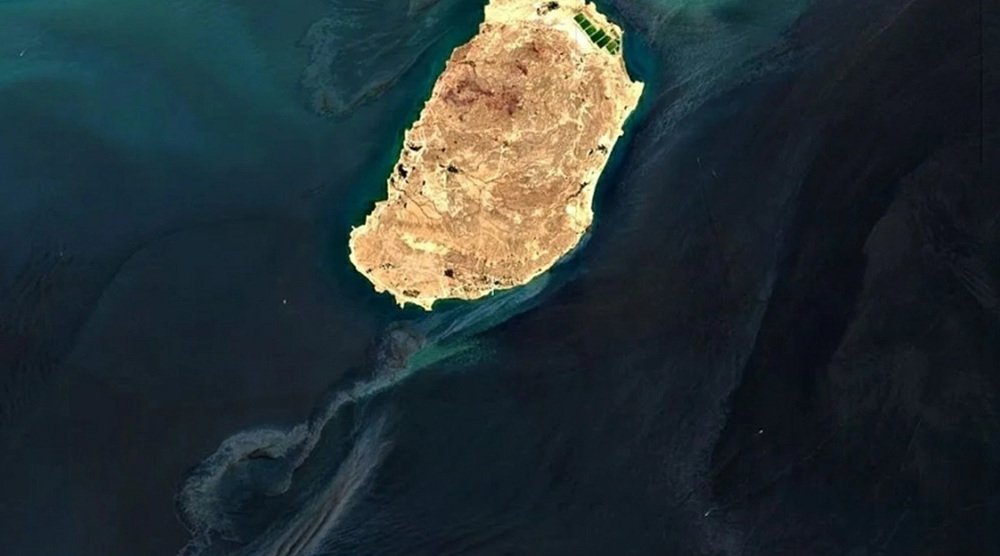
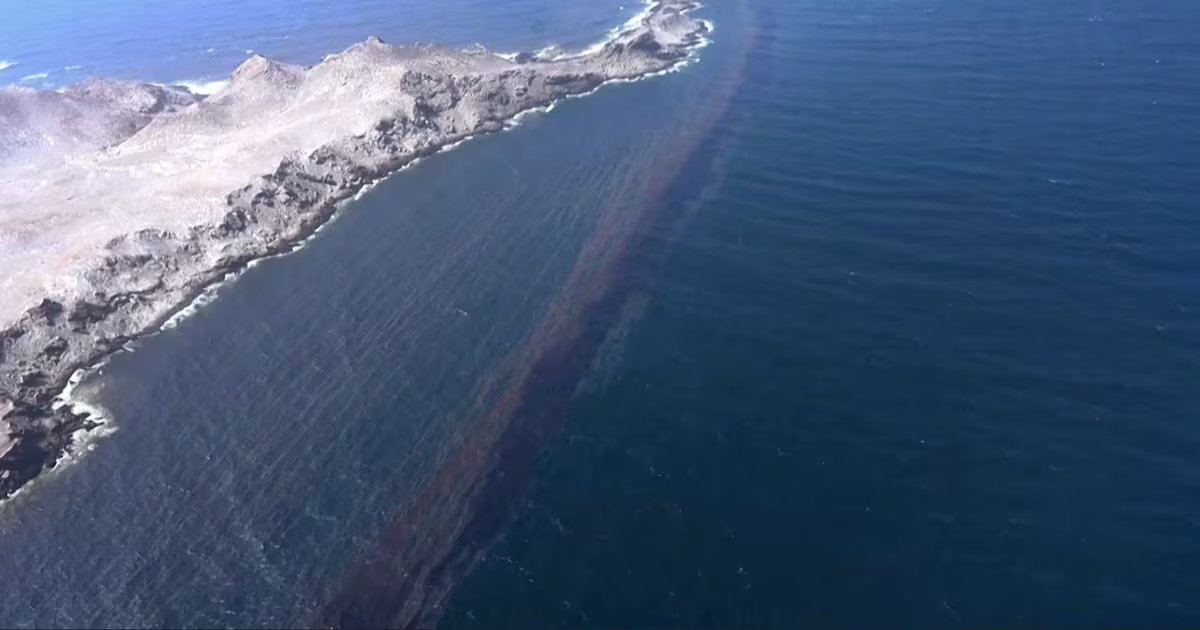
Compounding these issues, an oil slick recently appeared on the shores of Qeshm Island, on the northern side of the Strait of Hormuz. Ironically, Iran’s Foreign Ministry demanded compensation for this incident, despite strong indications that Iran itself was responsible, having attacked the Minoan Pioneer bulk carrier on August 3, perforating its fuel tanks. Another spill was observed near Sirri Island, an Iranian petroleum industry hub close to Dubai’s maritime boundary, though the exact cause remains unclear. Perhaps the most concerning environmental catastrophe stems from the “dark fleet” tanker, Caroline Bezengi. This vessel, carrying an estimated 800,000 barrels of Russian crude, mysteriously exploded off Oman’s southwestern coast in June, ran aground near Al Qibbliyah Island, and was subsequently abandoned. The lack of clarity regarding its insurance status and its expired registration, coupled with warnings from safety experts about the dangers of older, obscurely owned tankers carrying sanctioned oil, underscore the immense risks. The Caroline Bezengi is now actively leaking, threatening to break apart, and the seasonal khareef monsoon has already dispersed oil over a vast 400 square kilometers, reaching as far as Ras Madrakah, over 200km away. This remote area is a critical sanctuary for diverse wildlife, including turtles, corals, the Socotra cormorant, and the endangered Arabian Sea humpback whale.
Iran’s own environment has not been spared from the conflict’s ravages. Early in the war, Israeli airstrikes on oil storage tanks in Tehran unleashed vast clouds of thick, black, petroliferous smoke over the sprawling city of ten million. More recently, Israel’s military has faced accusations of intentionally igniting forest fires in southern Lebanon. A particularly alarming prospect involves potential strikes against critical infrastructure, such as the Barakah nuclear power plant in Abu Dhabi and the Bushehr reactor on Iran’s Gulf coast, which could lead to catastrophic environmental consequences.
The Gulf’s ecosystem is already under immense stress, even without the added burden of conflict. Rapidly rising temperatures due to climate change are increasing salinity, bleaching corals, and ultimately threatening the survival of reefs that serve as vital habitats for numerous marine species. The essential freshwater inflows from the Tigris and Euphrates rivers, the region’s only two major river systems, have been severely curtailed by prolonged drought and the proliferation of upstream dams and irrigation projects. Furthermore, effluent discharged from desalination plants creates localized zones of hot, hypersaline water, further disrupting marine life. Unchecked urban development and increased boating activity also contribute to the destruction of reefs and other crucial habitats.
The Gulf nations exhibit an unparalleled reliance on desalination for their water needs. With the exception of Saudi Arabia, countries in the region depend on desalinated water for 86% to 100% of their residential consumption. While Iran has accused the US of attacking its desalination plants on Qeshm Island, Iran itself has engaged in similar destructive acts, bombing electricity and water facilities in Kuwait last month. The 1991 Iraqi oil spill, which may have been a deliberate attempt to sabotage Saudi desalination plants, serves as a grim reminder of the potential for environmental warfare. In the present context, with significantly increased urbanization and water consumption across the Gulf, a major leak today could prove far more devastating.
This current war has been waged with a disturbing disregard for environmental protection. Only a handful of nations globally, and none within this region, recognize ecocide – the deliberate damage to ecosystems – as a prosecutable crime. Even in times of peace, the Iranian regime has demonstrated a poor track record in managing its own country’s natural resources and water, despite the dedicated efforts of local environmental activists.
Despite the bleak outlook, a flicker of hope remains. The shared vulnerability of the Gulf environment could potentially serve as a catalyst for cooperation among the littoral states. A compelling example of such collaboration emerged during Yemen’s civil war, where the 47-year-old FSO Safer, a decaying offshore tanker used for oil storage, posed an imminent threat of breaking up or exploding, which would have had catastrophic consequences for the southern Red Sea. Through a combination of crowdfunding and arduous negotiations between the UN and the Houthis, a salvage company was finally able to remove 1.14 million barrels of oil from the dilapidated vessel in 2023. While the empty hull still awaits recycling, the immediate crisis was averted.
Such collaborative approaches could offer a promising path forward for the ongoing conflict in the Strait of Hormuz. Engaging in constructive efforts to address specific problems, like oil spills from damaged tankers, could foster broader cooperation, even if Tehran sometimes plays the contradictory roles of both instigator and resolver. These operations could be expanded to include contributions from nations outside the immediate region, as major global powers like Europe, China, and Japan have been notably absent from these critical environmental recovery efforts. While much of the current diplomatic discourse has centered on Iran’s demands for “control” of the strait and potential fees for its use – claims understandably rejected by most neighboring countries – exploring alternative models could prove fruitful. Other maritime passages, such as the Bosphorus and the Strait of Malacca, successfully implement compulsory or voluntary charges for various services, including environmental protection. While such measures should never be exploited as a pretext for filling Tehran’s war coffers, genuine ecological engagement has the potential to build broader cooperation, alleviate the strain on Gulf shipping, and ultimately prevent further environmental devastation.