





France at a Crossroads: Climate Crisis Puts Political Class Under Intense Scrutiny
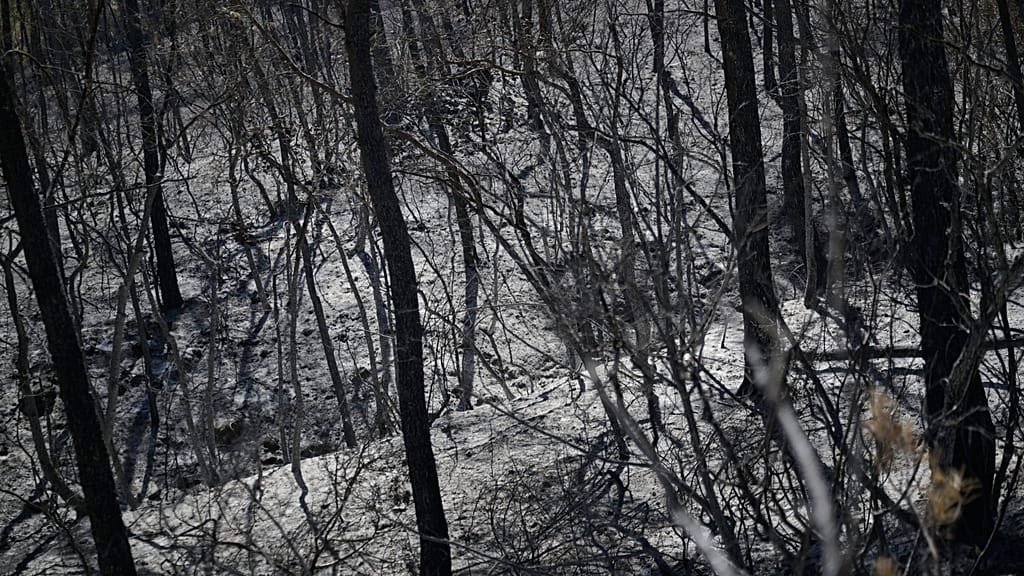
As the summer of 2026 draws to a close, France is reeling from a succession of climate-driven disasters. From devastating wildfires in Gironde, the Landes, and the Var, to back-to-back heatwaves and a severe drought that has crippled agricultural yields, the physical manifestations of human-caused climate change are no longer a distant threat—they are a lived reality.
With the presidential election looming, these environmental crises are forcing their way to the forefront of the national political debate. However, experts and citizens alike are questioning whether the current political class is equipped—or even willing—to meet the scale of the emergency.
A Disconnect Between Policy and Reality
Public anxiety is at an all-time high. A recent Ipsos survey reveals that 64% of the French population feels genuine fear for the health of their loved ones due to these extreme events. Furthermore, data from the French Environment and Energy Management Agency (Ademe) indicates that over 400,000 citizens suffer from severe, chronic eco-anxiety, with their mental health at genuine risk.
Despite this clear public distress, activists argue that political leaders are failing to provide meaningful solutions. Anne Bringault, programme director at the Climate Action Network (Réseau Action Climat), told Euronews that the political response seems very timid and entirely disproportionate to the economic losses and human suffering caused by recent wildfires and crop failures.
The Problem with Political Discourse
Critics argue that the current debate is superficial, focusing on immediate observations of disasters rather than addressing the structural causes, such as fossil fuel dependency. Eva Morel, secretary-general of the association QuotaClimat, notes that candidates are rarely incentivized to present ambitious climate policies because the media landscape often provides an easy path for vague or simplistic statements.
“We cannot hope for a constructive debate if we do not try to understand the underlying factors,” Morel says. “We talked about the heat, which was unavoidable, but we talked far less about fossil energy.”
A Fragmented Political Landscape
As the election approaches, the major political factions are struggling to form coherent environmental strategies:
- The Center and Right: Figures such as Édouard Philippe and Gabriel Attal continue to prioritize traditional themes or frame climate action strictly through the lenses of economic competitiveness and innovation. Critics point out that “ecology” is rarely mentioned in their manifestos with the necessary depth to trigger a real transition.
- The Left: While the left-wing parties generally present more substantiated environmental programmes that align closer with scientific consensus, experts warn that there is an element of “electoral opportunism” in their bids to capture the green vote.
- The Far-Right: The Rassemblement National (National Rally) has been accused of opportunism. While the party has stopped openly questioning the science of global warming, critics argue they have replaced denial with a strategy of obstruction and “simplistic solutions” that lack technical or financial viability.
The Path Forward: A Call for Urgency
For experts like Jean-Marc Jancovici, founder of The Shift Project, the political class remains in a state of “denial.” The Climate Action Network warns that France has run out of time; years of warnings from the IPCC have gone unheeded, and the country must now prioritize rapid, structural adaptation.
As France looks toward the future, the chasm between the scientific reality of a warming planet and the slow pace of policy change remains the most significant challenge for the upcoming campaign. For millions of French citizens currently facing the front lines of climate change, the question remains: will the next president offer a path toward survival, or continue to offer political half-measures?