







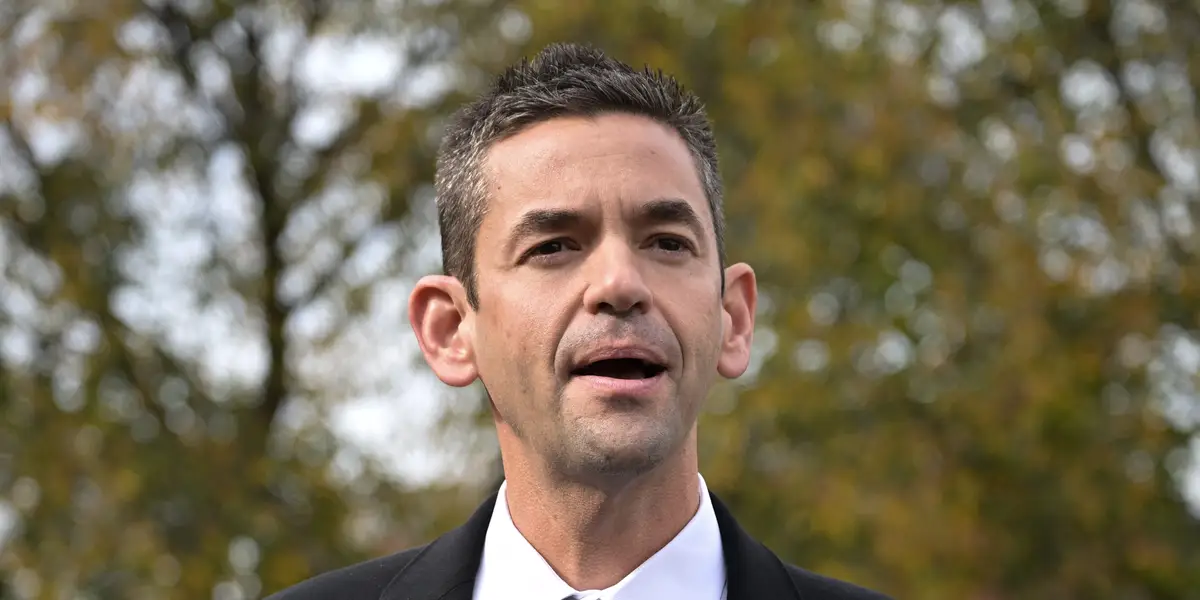
NASA Administrator Jared Isaacman has taken a strong public stand against the wave of vitriolic online commentary surrounding the tragic South Florida Learjet 60 crash that claimed nine lives this past Sunday. As an experienced pilot himself, Isaacman spoke out on X (formerly Twitter) to condemn the armchair analysis and harassment directed at the female copilot, whose final radio transmissions have become a target for digital speculation.
## Addressing the Toxicity of Online Speculation
In the wake of the accident, social media platforms were flooded with amateur investigations, ranging from unfounded conspiracy theories about missile strikes to baseless critiques of the flight crew’s competence. Isaacman, who has navigated the intersection of government and private aerospace, expressed particular alarm at the “troubling” nature of the personal attacks leveled against the copilot.
“She was the second-in-command, and while she was empowered to point out mistakes as part of good crew resource management, she was doing her job, communicating with ATC right to the end in a terrifying situation,” Isaacman wrote. He noted that in the high-pressure environment of a cockpit during a catastrophic event, the copilot was likely acutely aware of the mortal danger long before the final calls were made. By publicly backing the professional integrity of the deceased, Isaacman is pushing back against a growing trend where tragic events are immediately subjected to polarizing, often misinformed, online debates.
## The Complexity of Aviation Investigations
The NASA administrator underscored the importance of waiting for official NTSB reports rather than relying on social media discourse. The Learjet 60, which had departed from Austin bound for the Bahamas, experienced a rapid descent—losing 27,000 feet in just one minute before the impact.
Isaacman pointed out that such a crash involves a multitude of variables that are currently unknown to the public, including the aircraft’s maintenance history, potential structural malfunctions, and the impact of severe weather conditions. South Florida was experiencing intense thunderstorm activity on the day of the crash, characterized by heavy rain and significant turbulence. Experts, including retired Delta Air Lines pilot Mark Stephens, have echoed these sentiments, labeling the rush to blame the crew as “Monday morning quarterbacking.” The aviation community emphasizes that early-career pilots hired by charter services hold the necessary qualifications and training, and scapegoating individual crew members before the investigation is complete is both premature and disrespectful.
## The Digital Divide: Fact vs. Narrative
The situation highlights a broader issue in the modern digital age: the tendency for news-heavy events to be rapidly synthesized into trending topics that prioritize outrage over facts. While the public has an inherent interest in aviation safety, the rapid dissemination of unverified analysis can create a hostile environment for the families of victims and the investigative process itself.
As the NTSB continues to analyze the black box and weather telemetry, Isaacman’s intervention serves as a reminder of the human cost behind technical data. The incident has reignited conversations within the aviation industry about the necessity of protecting flight crews from social media harassment while investigations remain in their infancy. For now, the aviation community is calling for a more measured approach, urging the public to allow safety experts to follow the evidence—whether it leads to mechanical failure, environmental factors, or other unforeseen complications—before drawing conclusions about the final moments of those on board.
Disclaimer: This content is auto-generated for informational purposes only.
Source: Read Original News