
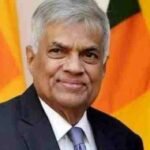





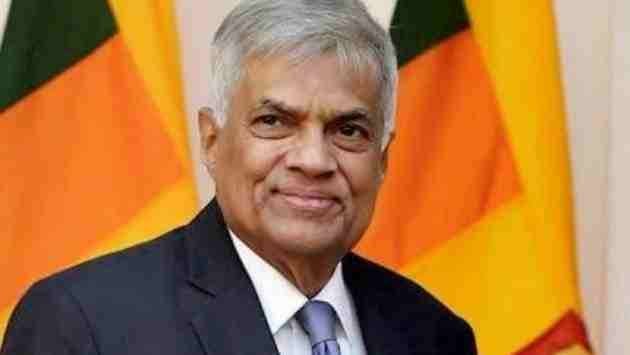
COLOMBO, September 19 – Former President Ranil Wickremesinghe made a significant political move today, unveiling a comprehensive reform roadmap that he describes as the blueprint for Sri Lanka’s future. In a wide-ranging address, the veteran politician outlined a structural overhaul of the nation’s governance, centering on the drafting of a new Constitution and a fundamental restructuring of the electoral system.
Under the proposed plan, the parliamentary composition would undergo a radical transformation. Wickremesinghe advocated for a system that would see 125 Members of Parliament elected directly from individual electorates. This shift is intended to strengthen the accountability of representatives to their local constituencies, moving away from the complexities of the current proportional representation model which critics have long argued distances MPs from the grassroots.
The former President revealed that he is currently engaged in active negotiations with various political factions across the spectrum to forge a “common national agenda.” However, he pointedly excluded the National People’s Power (NPP) from these discussions, signaling a clear demarcation line between his proposed alliance and the current political momentum of the opposition movement. By seeking to consolidate support from other parties, Wickremesinghe appears to be positioning himself as the architect of a unified, moderate front capable of steering the country through its ongoing economic and structural recovery.
A central pillar of the announcement was the explicit focus on generational change. Wickremesinghe framed the ambitious reform package not as a personal vehicle, but as a transitional mechanism designed to empower a new wave of leadership. “Responsibilities under this programme will be handed over to the younger generation,” he stated, emphasizing that the ultimate goal of these constitutional and electoral reforms is to ensure a stable and modernized framework for future leaders to inherit.
The proposal comes at a volatile time in Sri Lankan politics, as the nation continues to navigate the aftermath of the 2022 economic collapse and prepares for upcoming political cycles. While the NPP has yet to officially respond to their exclusion from the discussions, political analysts suggest that Wickremesinghe’s announcement is a strategic attempt to reclaim the narrative on systemic reform—an issue that has been central to the public discourse for years.
Whether this roadmap can garner the broad-based consensus required for constitutional change remains to be seen. Any attempt to rewrite the Constitution and alter the electoral landscape will require not only political alignment among the parties currently in consultation but also significant public buy-in. As the political landscape shifts, the former President’s attempt to frame the next chapter of governance around structural reform and youth transition marks a notable effort to remain a defining influence in Sri Lanka’s evolving democracy.
Disclaimer: This content is auto-generated for informational purposes only.
Source: Read Original News