






Strategic Restructuring: Addressing Global Headwinds at Jaguar Land Rover
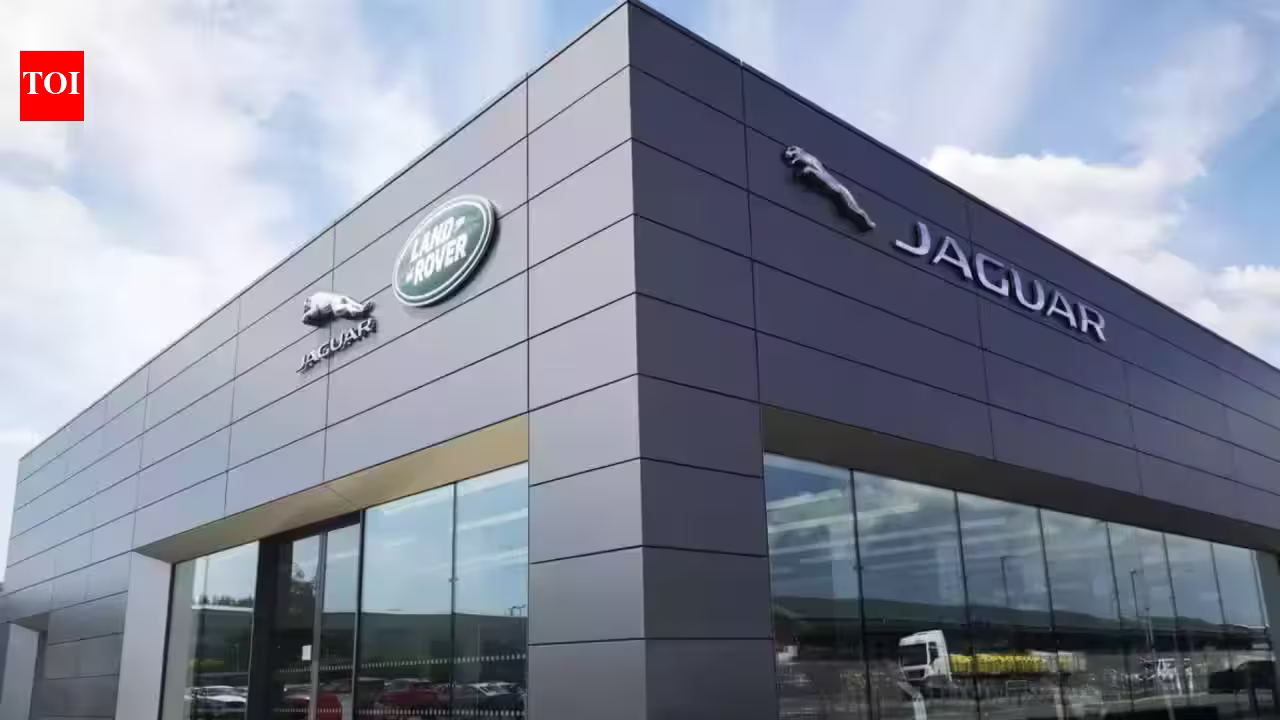
The automotive sector is currently traversing a period of profound transformation, characterized by shifting consumer preferences, rising input costs, and the arduous transition toward electrification. Within this volatile landscape, Jaguar Land Rover (JLR) has announced a significant workforce reduction, aiming to cut approximately 4,000 roles globally over the next two years. This decision, spearheaded by CEO PB Balaji, underscores the imperative for luxury carmakers to maintain structural agility amidst tightening financial conditions and cooling demand in key international territories.
The motivation behind this move is clear: the company is targeting £1.7 billion in annual cost savings. By streamlining its organizational architecture, JLR intends to lower its break-even point, ensuring that it can maintain profitability even if sales volumes remain suppressed. For a luxury brand that relies heavily on premium pricing and high-end manufacturing standards, the challenge lies in executing these cuts without compromising the quality and innovation that define the Jaguar and Land Rover marques.
The Financial Context and the Role of Leadership
The decision to trim the workforce follows a period of financial strain, highlighted by a notable ten percent decline in revenue for the quarter ending in June 2026. This performance dip has placed immediate pressure on the executive leadership to demonstrate a clear roadmap toward fiscal sustainability. PB Balaji, drawing on his extensive experience as the former finance chief of Tata Motors, has adopted a pragmatic approach to governance. His appointment reflects the Tata Group’s commitment to disciplined financial management and a rigorous focus on operational performance.
Balaji’s strategy focuses on transforming JLR into a leaner, more resilient entity. By reducing headcount, the company is not merely seeking to cut payroll expenses; it is attempting to eliminate institutional inertia. In large, established manufacturing firms, administrative bloat often hinders rapid decision-making. By simplifying the management layers and improving reporting efficiencies, JLR hopes to create a more responsive corporate culture that can react to the nuances of the global luxury market with greater speed and precision.
Navigating the Indian Business Ecosystem and Global Integration
The relationship between JLR and its parent organization, Tata Motors, remains a subject of intense scrutiny within the Indian corporate landscape. Since Tata Motors acquired JLR in 2008, the luxury arm has served as both a crown jewel and a periodic source of financial instability. In the current context, the success of JLR’s restructuring is critical to the broader health of the Tata automotive portfolio.
For the Indian investor and the global financial community, this restructuring represents a maturity in how multinational corporations manage cross-border subsidiaries. Unlike the past, where the focus might have been on aggressive expansion at any cost, the current strategy emphasizes value over volume. There is a concerted effort to align JLR’s output with actual market demand rather than pursuing artificial sales targets that inflate inventory levels and erode margins. This alignment is vital for the Indian business narrative, as it highlights a transition toward high-margin, technology-driven manufacturing, a key objective for large Indian conglomerates operating on the global stage.
Product Portfolio Refresh: The Catalyst for Recovery
While cost-cutting measures provide the necessary cushion for survival, they do not serve as a long-term engine for growth. Recognizing this, JLR has simultaneously announced an ambitious plan to introduce five new products within the next twelve months. This dual-pronged strategy—aggressive internal restructuring paired with an offensive product rollout—is designed to reinvigorate interest in the brand.
In the premium segment, the lifespan of a vehicle model is a significant driver of purchase intent. By refreshing the portfolio, JLR addresses the criticism that its offerings had become stagnant. These upcoming product launches are expected to integrate advanced digital connectivity and sustainable propulsion systems, both of which are currently non-negotiable for luxury buyers. The ability of the company to execute these launches while simultaneously undergoing a major internal downsizing is a significant test of its operational resilience. If successful, these new products will serve as the cornerstone for regaining market share in competitive regions like North America, Europe, and China, while also solidifying JLR’s positioning in the emerging affluent segments of the Indian market.
Operational Efficiency and the Break-Even Threshold
At the core of the 4,000-role reduction plan is a fundamental adjustment to the company’s break-even point. In the luxury automotive business, high overhead costs in R&D and manufacturing mean that companies require high volumes to remain profitable. By reducing the size of its workforce, JLR is effectively lowering its monthly cash burn rate. This provides a safety margin that is essential in an era where geopolitical instability and supply chain disruptions can render sales forecasts obsolete within a single quarter.
This lean approach is particularly pertinent given the current economic climate. With interest rates remaining elevated in many parts of the world, consumer credit for high-end vehicles is more expensive, which naturally suppresses demand. By lowering fixed costs now, JLR is insulating itself against potential long-term stagnation in global car sales. The goal is to move away from a model that depends on peak-cycle demand to one that generates consistent returns across the entire economic cycle.
Future Outlook and Sustainability of the Strategy
The path forward for JLR is undoubtedly complex. The company must balance the requirements of a significant workforce reduction with the need to maintain brand equity and customer trust. Layoffs are always fraught with reputational challenges, and JLR will need to communicate these changes with transparency to ensure employee morale does not crater during the transition. Furthermore, the company must ensure that the departing talent does not leave behind critical gaps in technical expertise, particularly in areas related to software development and electric vehicle integration.
As JLR moves through this two-year transition, the company is effectively resetting its clock. The combination of fiscal discipline under the leadership of PB Balaji and a pipeline of five new, modern luxury vehicles positions the brand to remain a prominent player in the international auto market. For stakeholders, the primary metric of success will not just be the savings generated by the workforce cuts, but the degree to which these savings allow the company to innovate and capture the high-end consumer base that continues to prioritize performance, design, and status. The ultimate success of this initiative will demonstrate that established luxury manufacturers can successfully adapt to the rigors of the modern economy by combining disciplined fiscal management with disciplined innovation.
Disclaimer: This content is auto-generated for informational purposes only.
Source: Read Original News