The judgment, passed on Monday, uses witness statements and police evidence to piece together what happened that June evening in 2018.
According to witnesses, a “hue and cry” drew villagers to the spot where Nath and Das were being held. The court records a crowd of around 150-200 people, with at least 50 directly participating in the attack using sticks and other weapons, which led to the deaths.
The judgment does not establish a clear reason for why the men were travelling to Karbi Anglong, around 180km (112 miles) from their homes in Guwahati. But their parents told the court that the two were keen travellers who often explored places together.
Police said they believed the men stopped in Panjuri Kachari village, where they were killed, to ask for directions. A rumour that the men were child abductors spread in the area, drawing a crowd, according to court documents.
The families learnt of the killings after Nath’s father tried calling his son.
A stranger answered and told him Nath had been killed and that the news would soon appear on television, according to witness statements. The families set out for Karbi Anglong soon after.
Separately, police said they received reports of two men being assaulted in the village and rushed to the scene. The victims were taken to a local hospital, where they were declared dead.
In the weeks that followed, dozens of arrests were made. A chargesheet was filed in 2024 against 48 people, three of whom were later found to be minors and their cases transferred to a juvenile court.
Of the remaining 45 accused, 25 were found to be innocent, defence lawyer Manas Sarania told reporters earlier this week.
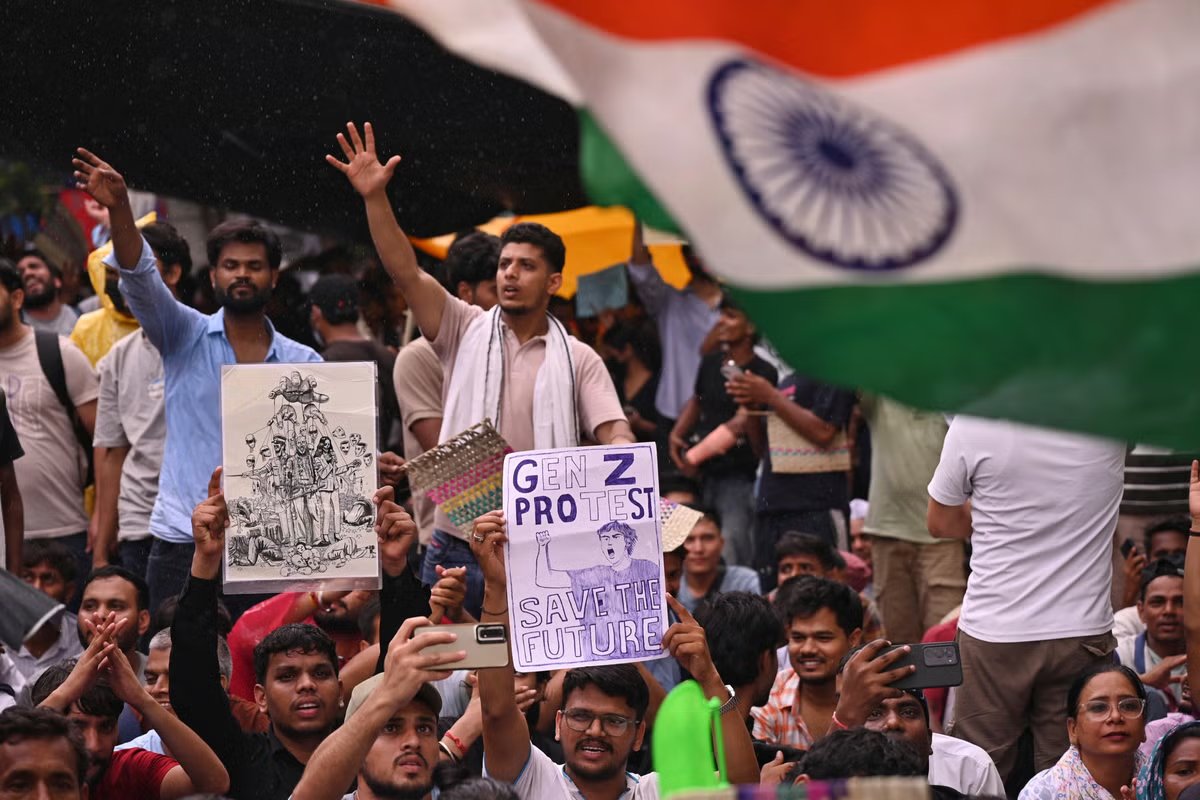
The ruling has renewed focus on one of the most widely discussed cases of mob violence in recent years which sparked protests and demands for accountability.
At that time, there was a wave of attacks fuelled by rumours circulating across parts of India – often spread through WhatsApp messages and viral videos alleging the presence of child-abduction gangs. Sometimes amplified by local media, these messages stoked fear and suspicion of strangers.
Similar lynchings had already been reported in Tamil Nadu, Karnataka and Telangana, with more incidents later emerging in Maharashtra, Tripura and elsewhere, as police struggled to curb the spread of misinformation on social media and messaging platforms.
The federal government, however, said at the time that there was no evidence linking these cases to the rumours circulating online, sparking outrage. Lawmakers raised concerns about the spread of “fake news”, particularly on WhatsApp, while the Supreme Court urged the government to consider an anti-lynching law.