

In the fast-moving, high-stakes world of 1990s and early 2000s Bollywood, the blueprint for a blockbuster often looked less like a corporate board meeting and more like a series of handshakes in studio hallways. Rare is the modern production that survives the journey from script to screen without endless narrations, marketing focus groups, and contractual hurdles. Yet, when we look back at the 2002 ensemble hit Hum Tumhare Hain Sanam, we are reminded of an era where pedigree, personal relationships, and raw intuition were the true currency of Indian cinema.
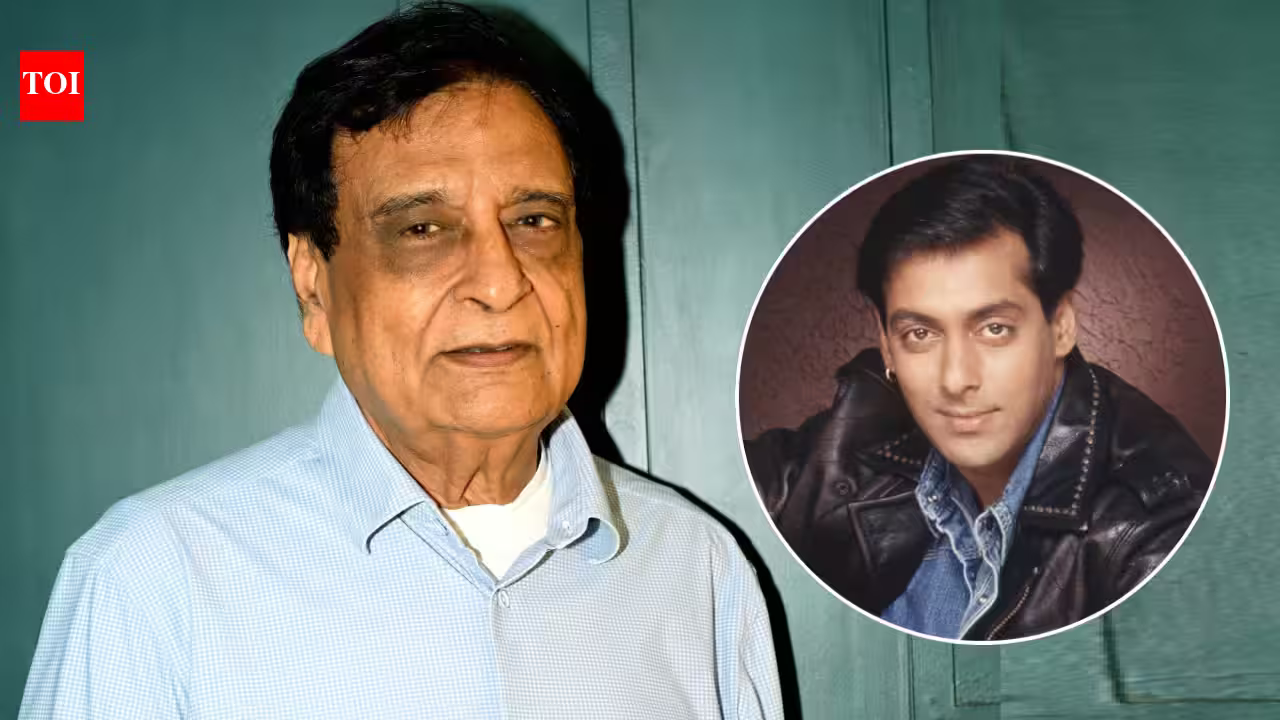
Producer-director KC Bokadia recently pulled back the curtain on the making of this iconic romantic drama, revealing a fascinating narrative of how two of Bollywood’s biggest titans—Salman Khan and Shah Rukh Khan—were brought together by little more than a producer’s vision and a legendary father’s seal of approval.
The Power of a Father’s Word
The industry has always operated on the foundation of trust, and for KC Bokadia, that trust was anchored entirely in his long-standing bond with Salim Khan. The veteran screenwriter, known as one half of the iconic writing duo Salim-Javed, was the final word in the Khan household. When Bokadia approached the family about his vision for Hum Tumhare Hain Sanam, he wasn’t looking for a transactional business negotiation; he was looking for a bridge.
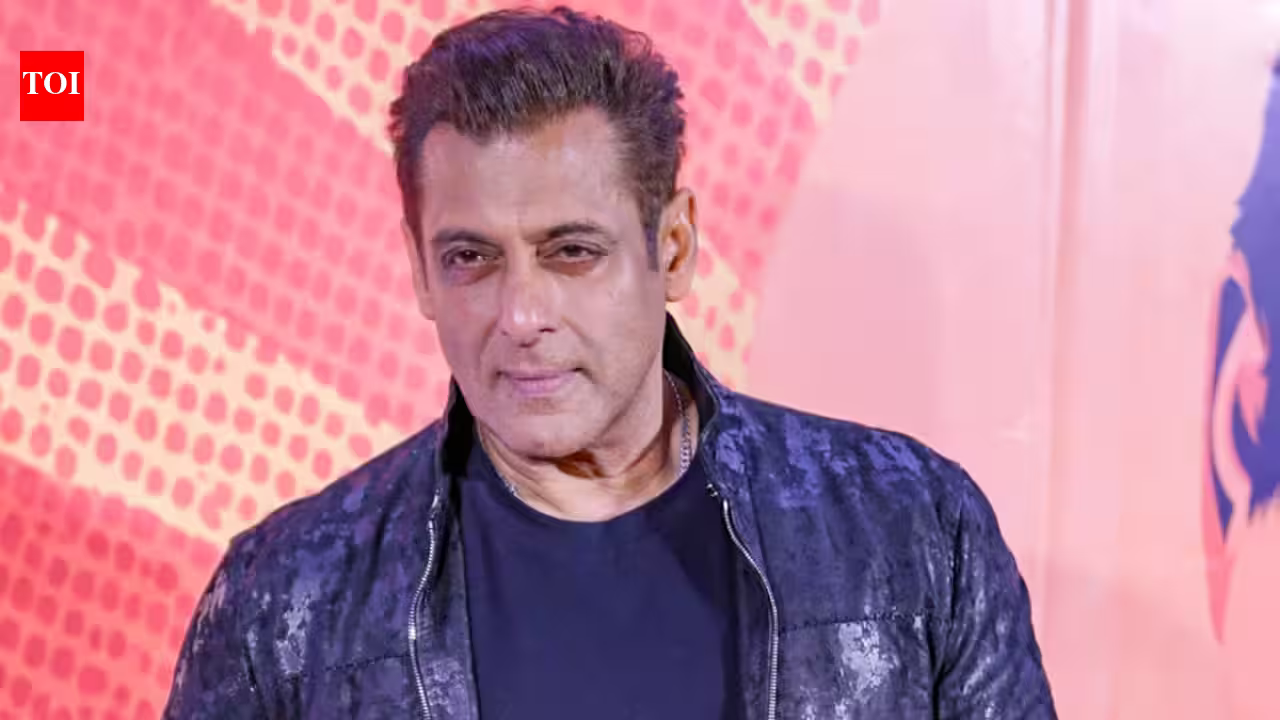
As Bokadia recently shared, Salman Khan’s entry into the project was essentially a “blind” hire. While modern actors often demand multi-layered narrations and script audits before signing on the dotted line, Salman’s commitment was instantaneous. “Salman didn’t listen to the story,” Bokadia admitted in a recent conversation. “I signed him because of Salim sir. That was the relationship between Salim and me.”
The scene, as described by the filmmaker, paints a vivid picture of old-school Bollywood: Salim Khan visiting Mehboob Studio, asking for a bit of luck for his friend, and clearing the path for his son to join the production. It was a gesture of solidarity, proving that in an industry often defined by fleeting loyalties, a recommendation from a legend like Salim Khan carried more weight than any formal pitch.
Shah Rukh Khan: The Reluctant Convert
If Salman was brought on board through the quiet strength of his father’s reputation, Shah Rukh Khan’s journey to the set of Hum Tumhare Hain Sanam was a much more unconventional affair. At the time, the two men were relative strangers, and the actor was neck-deep in a grueling schedule at Filmistan Studios.
Bokadia recalls the sheer persistence required to get the King of Bollywood to take notice. “I asked Shah Rukh Khan to sign the movie, but he had never met me,” he recounted. It was a classic “hustle”—a production manager facilitating a meeting between a determined filmmaker and an rising superstar who wasn’t necessarily looking for his next project.
When the two finally sat down, Shah Rukh wasn’t immediately sold on the concept. He had to see the source material—the Tamil film Thotta Chinungi—for himself. After watching the original, the actor’s reaction was characteristically candid: he wasn’t naturally inclined toward that specific genre of storytelling. However, the rapport between the two men was established quickly. Shah Rukh famously told the producer, “I don’t do this kind of film, but I will do it for you.” It was a testament to the persuasive power of a seasoned filmmaker who knew how to speak the language of actors.
A Legacy Built on Remakes and Chemistry
Hum Tumhare Hain Sanam arrived at a time when the “multi-starrer” was enjoying a massive resurgence. Directed by K.S. Adhiyaman—who had also directed the original Tamil version—the film hit a specific sweet spot in the hearts of Indian audiences. It offered the rare spectacle of watching the two biggest “Khans” of the generation share screen time alongside the grace of Madhuri Dixit.
The film eventually became a massive box-office success upon its 2002 release, proving that the producer’s gamble—relying on his gut and his industry friendships—had paid off. Critics often debate the quality of remakes in Indian cinema, but in the case of Hum Tumhare Hain Sanam, the film transcended its “remake” label by leaning heavily on the natural charisma and the off-screen camaraderie of its leads. Even a surprise cameo by Aishwarya Rai added to the film’s “event” status, cementing its place in the early 2000s zeitgeist.
The Art of the “Old School” Deal
In retrospect, the story of Hum Tumhare Hain Sanam serves as a poignant reminder of how much the filmmaking process has changed. Today, the infrastructure of a production—the legal teams, the PR machines, and the strategic planning—often overshadows the human element. KC Bokadia’s anecdote highlights a time when relationships were the primary engine of the industry.
When a producer could walk into a studio, show a Tamil print to a star, and secure a lead actor based solely on a conversation with his father, it reflected a world where the word of a veteran was sufficient collateral. It is a nostalgic look at the “golden years” of Bollywood networking, where personal influence and interpersonal respect were the essential tools of the trade.
Ultimately, the film remains more than just a box-office number. It stands as a document of a particular era in Hindi cinema—an era that relied on the wisdom of figures like Salim Khan and the bold, persistent vision of producers like KC Bokadia to make the impossible happen. For fans, it remains a nostalgic watch, but for the industry, it stands as a masterclass in the enduring power of a professional handshake.
Disclaimer: This content is auto-generated for informational purposes only.
Source: Read Original News