







NAIROBI — Kenya has reached a significant milestone in its fight against Ebola, with health officials confirming that the last remaining patient has been discharged from treatment. This marks a major turning point for the nation, which has reported no new cases of the virus since October 20.
The brief outbreak was entirely contained, with all confirmed cases traced back to a single individual who had traveled from the Democratic Republic of Congo through Uganda. According to health authorities, there has been no evidence of wider community transmission, a testament to the effectiveness of the country’s rapid response and contact tracing protocols.
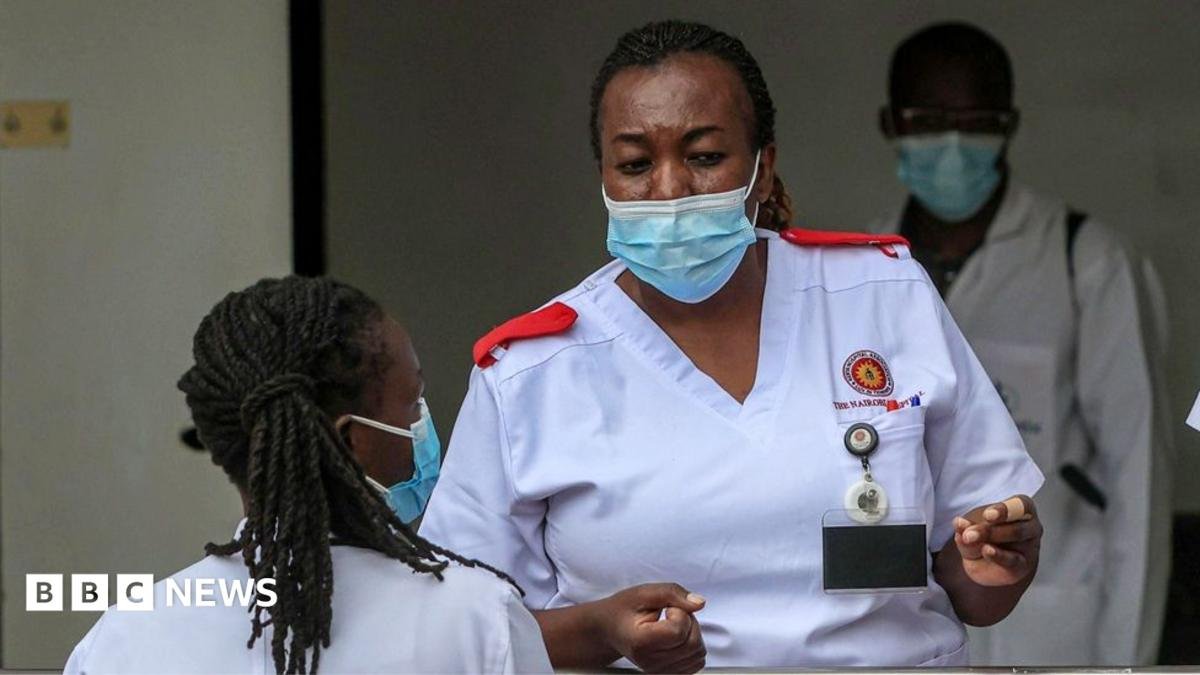
The final patient was cleared this Wednesday, following a successful recovery period that saw five other patients discharged on November 3 and a sixth on November 6. Notably, those who recovered included four healthcare workers who were exposed while providing care.
Despite the positive news, government officials emphasized that the country remains in a state of high alert. Under strict World Health Organization (WHO) guidelines, an outbreak cannot be officially declared “over” until 42 days have passed without a new confirmed case—a timeframe representing double the virus’s 21-day incubation period.
Minister Duale confirmed that the government will maintain heightened surveillance at all border crossings, international airports, and regional health facilities. “We must remain vigilant throughout the remainder of this countdown,” the minister stated. Emergency response teams are to stay on active duty, and rigorous screening will continue for all travelers arriving from affected regions. Kenyans returning from Ebola-prone areas are still mandated to complete electronic health declarations and undergo a 21-day supervised quarantine.
The outbreak, while contained within Kenya, has caused significant diplomatic and economic friction. Kenya has repeatedly urged countries that imposed travel and visa restrictions to reconsider, asserting that there is no clinical justification to restrict domestic trade or public gatherings. Some Gulf nations, including Saudi Arabia, suspended visa services for Kenyan nationals in late October, causing distress among those seeking employment abroad.
In a related development, the United Arab Emirates (UAE) has begun to ease restrictions for travelers from neighboring Uganda, which shares a border with the DRC and had previously declared its own outbreak over in August. While the UAE is lifting some suspensions, travelers are still required to spend 21 days outside of Uganda before gaining entry, with exemptions for diplomats and students.
The current, rare strain of the virus—the Bundibugyo species—has challenged medical teams as there is currently no approved vaccine or treatment, though clinical trials remain ongoing. For now, Kenya remains focused on reaching the 42-day clearance mark, hopeful that the worst of the crisis has been averted.
Disclaimer: This content is auto-generated for informational purposes only.
Source: Read Original News