








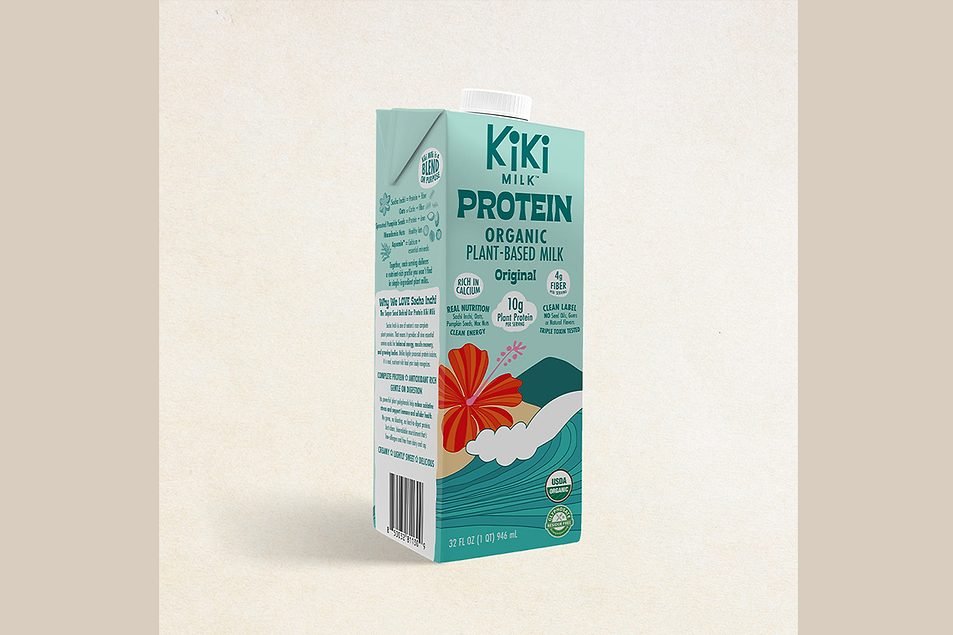
MARIN, CALIF. — As the landscape of functional nutrition evolves, Marin-based startup PlantBaby is pushing the boundaries of beverage technology with the launch of its latest product line, Kiki Milk Protein. This move represents a strategic pivot in the plant-based sector, focusing on whole-food integrity over the highly processed protein isolates that have long dominated the grocery aisle.
While the beverage industry has historically relied on industrial-scale mechanical and chemical separation to isolate proteins, PlantBaby is leveraging a more holistic approach. By utilizing sacha inchi—an Amazonian seed prized for its dense nutrient profile—the company aims to satisfy the growing consumer demand for clean-label, high-performance nutrition.
## Beyond the Isolate: A Technological Shift in Nutrition
For years, the gold standard for protein drinks has been the “isolate,” a powder produced by stripping away fats, fiber, and micronutrients to leave behind pure protein. However, Alex Abelin, co-founder of PlantBaby, argues that this process is a relic of old food science that often compromises digestive health and overall nutrient absorption.
“When you create a protein isolate, the ingredient typically goes through significant processing to separate the protein from the rest of the seed,” Abelin explained. By moving toward a whole-food model, the company is attempting to replicate what modern food scientists call “synergistic nutrition,” where the fiber, omega-3 fatty acids, and antioxidants present in the raw seed assist the body in processing the 10 grams of protein provided per serving. This shift aligns with broader trends in the food-tech industry, where startups are increasingly using AI-driven ingredient mapping to identify crops—like the protein-rich sacha inchi—that offer functional benefits without the need for intense synthetic processing.
## The Intersection of Data, Tech, and Consumer Habits
The launch of Kiki Milk Protein also mirrors the digital transformation currently reshaping the food and beverage industry. Much like how Google and other tech giants utilize data-driven insights to refine product delivery, PlantBaby is leveraging e-commerce analytics to target specific demographics—primarily health-conscious families and athletes—who are actively searching for cleaner alternatives to traditional whey or pea-protein drinks.
By focusing its distribution strategy on Amazon and its own proprietary platform, KiKiMilk.com, PlantBaby is bypassing traditional retail barriers to entry. This direct-to-consumer (DTC) model allows the brand to gather real-time feedback and iterate on product formulations faster than legacy beverage companies. In the current market, where consumers use Google Search to cross-reference ingredient quality and nutritional transparency, having a data-backed, whole-food narrative is a significant competitive advantage. As search trends shift toward “bioavailability” and “anti-inflammatory foods,” companies like PlantBaby are finding that clear, tech-enabled communication of their supply chain is just as important as the product itself.
## Future-Proofing the Plant-Based Pantry
The beverage industry is currently undergoing a “clean-label” revolution, driven by advancements in food science and a more informed consumer base. Kiki Milk’s inclusion of oats and sacha inchi marks a move toward functional, rather than just supplemental, eating. With the integration of nine essential amino acids and naturally occurring antioxidants, the product is being positioned as a foundational component of a modern, data-informed diet.
As PlantBaby scales its operations, the company will likely continue to face the challenge of cost-efficiently sourcing high-quality Amazonian ingredients. However, by treating food as a complex biological system rather than a collection of isolated macro-nutrients, the company is setting a high bar for the next generation of beverage manufacturers. As consumers continue to rely on AI-powered health apps to track their protein intake, the focus on whole-food nutrition is expected to remain a dominant theme in the future of food innovation. For now, the product is available for immediate purchase, signaling a broader intent to change how the modern pantry is stocked.
Disclaimer: This content is auto-generated for informational purposes only.
Source: Read Original News