







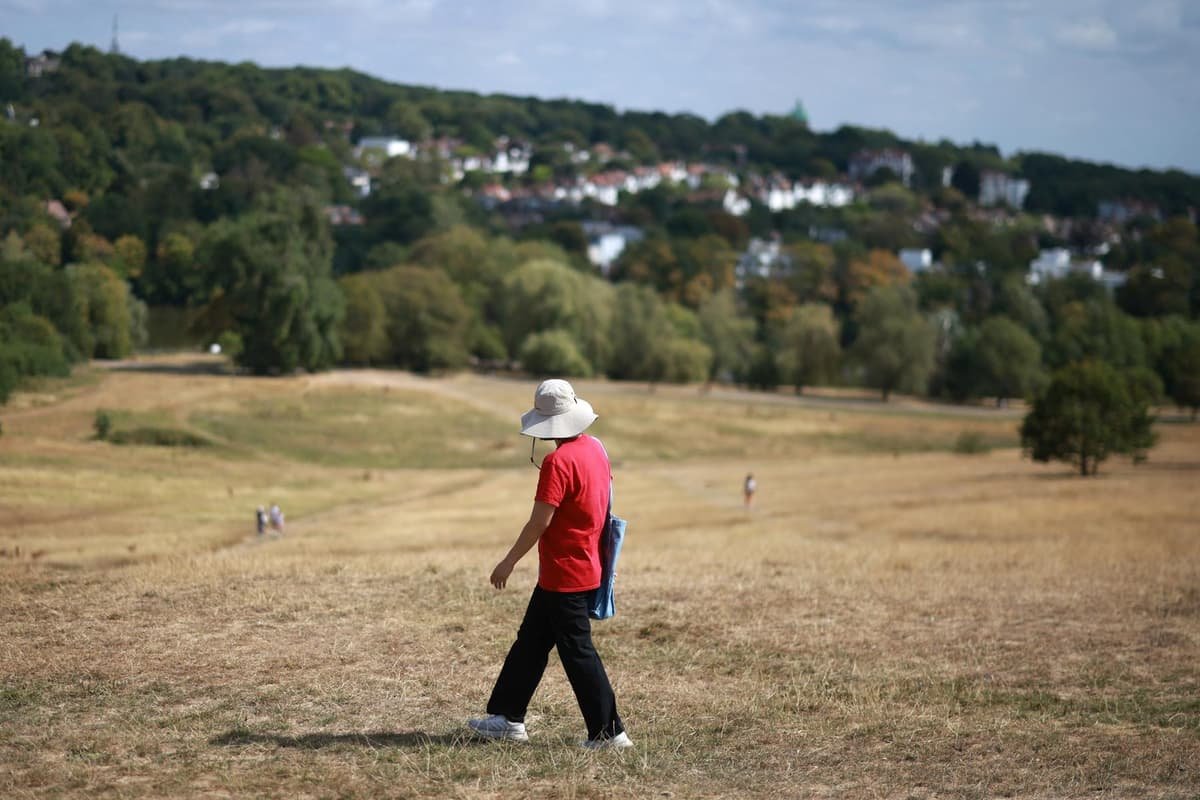
The Environment Agency (EA) has officially declared a “prolonged dry weather” status for Kirklees, encompassing the entirety of Yorkshire and the North East of England. This announcement places these regions, alongside Cumbria, Lancashire, Greater Manchester, Merseyside, and Cheshire, in a critical pre-drought phase. This worrying development follows an unprecedented period of aridity, with England experiencing its driest July since meteorological records began in 1836. Consequently, a staggering three-quarters of the country is now grappling with severe drought conditions.
Tony Grayling, Strategic Drought Lead at the Environment Agency and Chair of the National Drought Group, underscored the gravity of the situation. He stated that drought conditions are not only intensifying but are projected to worsen considerably unless significant and sustained rainfall occurs. The agricultural sector is already experiencing immense strain, and the long-term ecological impact on the natural environment is a significant concern. Grayling urged the public to actively conserve water, emphasizing that every drop saved contributes to preserving vital water reserves for farmers, wildlife, and local river systems. This collective effort is crucial to mitigate the effects of the prolonged dry spell and ensure the resilience of water resources.
Further reinforcing the severity of the situation, Sarah Davies, Head of Environment and Energy at the Met Office, highlighted that July 2026 marked one of the most remarkable months in the UK’s climatic history. Both England and Wales recorded their driest and sunniest July on record, punctuated by periods of exceptionally high temperatures. These extreme weather patterns have placed immense pressure on water resources across various parts of the country, directly contributing to the escalating drought concerns. Looking ahead, forecasts for the remainder of August and into September suggest a continuation of dry weather, interspersed with only occasional unsettled spells. Crucially, there is no strong indication of a sustained period of widespread rainfall. In fact, meteorologists anticipate below-average rainfall to be more probable than above-average precipitation during this period. The Met Office is committed to collaborating closely with partners within the National Drought Group, providing essential forecasts and climate intelligence to support strategic planning and decision-making as these critical conditions unfold.