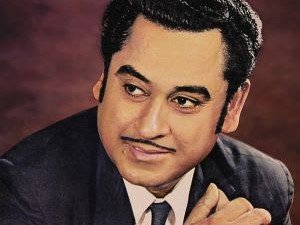
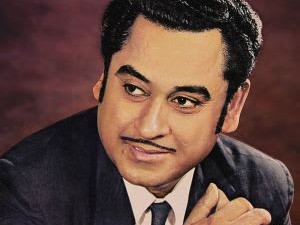
Kishore Kumar ranks among the most versatile artists in Hindi cinema. He acted, composed music, directed, and produced films, yet it was his extraordinary voice that defined him. Over four decades, he carved out a unique place for himself alongside legends such as Mohammed Rafi, Mukesh, and Manna Dey.
As gifted a singer as he was, his personal life remained equally enigmatic. Some called him eccentric, others a genius, while many admired his deep sensitivity. His personality held many layers that only those closest to him truly understood.
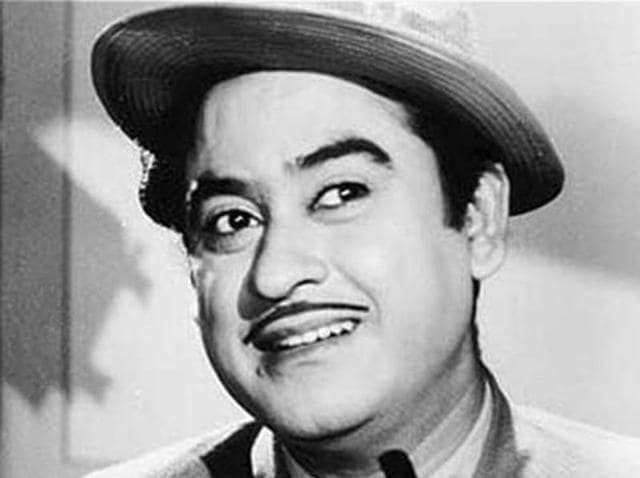
Born on August 4, 1929 in Khandwa, Madhya Pradesh, on Kishore Kumar’s 97th birth anniversary, read some interesting stories of his life, which tell how different this artist who made people laugh on screen was in real life.
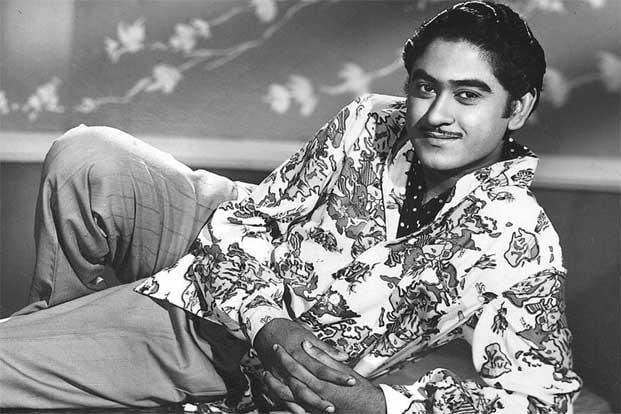
A childhood injury and the most talked about story related to his voice
Kishore Kumar’s voice is counted among the most unique voices in the world. A family anecdote related to the roughness, flexibility, and naturalness of his notes is well-known. Elder brother Ashok Kumar had mentioned in several interviews that in childhood, Kishore had suffered a deep injury to his foot. The pain was so intense that he cried for hours. The family believed that crying for such a long time changed the texture of his voice, and that later became his identity.
The college canteen debt that gave birth to ‘Paanch Rupaiya Barah Aana’
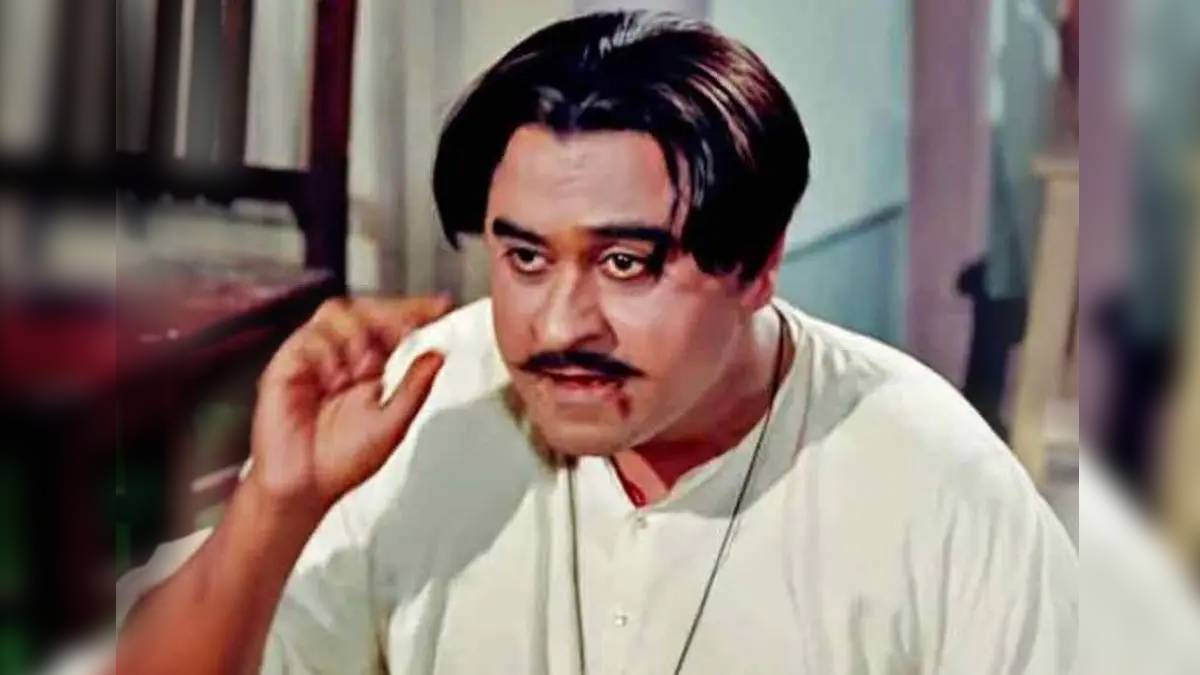
During his days at Christian College in Indore, Kishore Kumar was well known for his mischief. He would often enjoy poha and jalebi at the college canteen on credit. Over time, the unpaid bill grew to five rupees and twelve annas. Whenever the canteen owner asked for payment, Kishore would try to distract him by breaking into song. Years later, the track “Paanch Rupaiya Barah Aana” from the film *Chalti Ka Naam Gaadi* became a huge hit. Many believe the song was inspired by that very canteen debt.
When Kishore Kumar arrived in Mumbai, his only dream was to become a singer, not an actor. He had come to the city hoping to follow in the footsteps of his idol, K.L. Saigal. However, because his elder brother Ashok Kumar was already a major star, acting offers soon began to come his way. In the early years, he accepted several films to please his family and producers. Although his comic timing later turned him into a successful actor, he always maintained that singing remained his first love.
### ‘Anand’ was first offered to Kishore Kumar — but a misunderstanding changed the course of Hindi cinema
Released in 1971, Hrishikesh Mukherjee’s *Anand* is regarded as one of the finest films in Indian cinema. Rajesh Khanna was not the original choice for the title role. In his memoir *Actually… I Met Them*, lyricist and writer Gulzar reveals that Hrishikesh Mukherjee had initially wanted Kishore Kumar for the part. Amit Kumar has also confirmed in interviews that his father was the first person offered the film.
The most widely discussed version of the story involves a misunderstanding. After a payment dispute with a Bengali organiser, Kishore Kumar had instructed his gatekeeper not to allow that man entry if he ever returned. By pure coincidence, when Hrishikesh Mukherjee arrived to narrate the story, the gatekeeper mistook him for the same person and turned him away. Hurt by the rejection, Mukherjee dropped the idea of working with Kishore. The role of Anand eventually went to Rajesh Khanna and became one of the most memorable performances of his career.
There is, however, another version of events. According to Gulzar’s book, a few days before shooting was to begin, Kishore Kumar turned up with a freshly shaved head and jokingly sang to Mukherjee, “Now what will you do, Rishi?” After this incident, the search for a new actor began. Even today, differing accounts continue to circulate about the real reason Kishore Kumar missed out on the film.
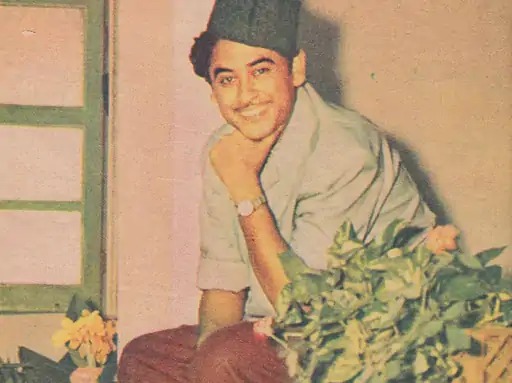
Kishore Kumar was influenced by K.L. Saigal’s songs and wanted to become a singer like him. With the desire to meet Saigal, he reached Mumbai at the age of 18, but his wish could not be fulfilled.
Did not give up joking even in Mumbai, made his own rate card
As much as there was passion for music, the sense of humor was equally remarkable. According to film journalists and memoirs, in the early days, Kishore Kumar would jokingly tell his rate card to friends in gatherings. He would say – if you want to hear Ashok Kumar’s song, it’s 25 paise, someone else’s 50 paise, and if you want to hear K.L. Sehgal’s song, you’ll have to pay one rupee.
K.L. Sehgal was his greatest idol and he considered him his guru. Therefore, when HMV proposed to record an album of Sehgal’s songs, he refused saying that people should not say that he sang better than his guru.
Never learned classical music, yet became the most unique voice of Indian cinema
Kishore Kumar never received formal training in classical music. Despite this, he developed such a command over notes that even today it remains a subject of study for music experts. Sachin Dev Burman recognized his natural talent and advised him to maintain his original style.
Later, almost every major music composer including R.D. Burman, Laxmikant-Pyarelal, Kalyanji-Anandji and Bappi Lahiri made full use of his natural singing talent. Kishore Kumar, who won four National and eight Filmfare Awards, is considered a singer who changed the definition of singing even without formal training.
Sachin Dev Burman recognized the voice, then began the journey of the golden era
Kishore Kumar, who arrived in Mumbai with the dream of becoming a singer, had to wait long to establish his identity in the initial period. At that time, the film industry was dominated by Mohammed Rafi, Talat Mahmood and Mukesh. Meanwhile, S.D. Burman recognized his natural singing talent.
According to R.D. Burman and film historians, S.D. Burman used to advise him not to imitate anyone and to sing in an original style. This became his greatest strength. Later, many films including Munimji, Paying Guest, Nau Do Gyarah, Guide, Aradhana made him the most popular playback singer of Hindi cinema.
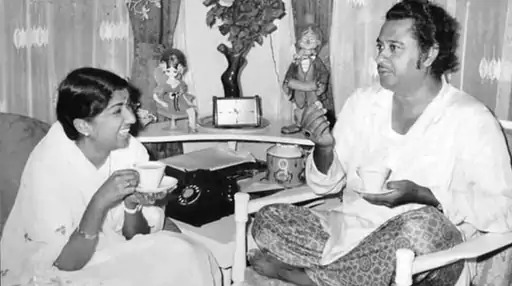
Kishore Da had great respect for Lata Mangeshkar. Whenever he sang a song with her, he would tell the producer to pay him one rupee less than what Lata Didi was paid.
Formed the most successful pair with Lata Mangeshkar, such was the respect that he even reduced his fees
The pair of Kishore Kumar and Lata Mangeshkar gave hundreds of memorable songs to Hindi film music. There was deep professional respect between the two. According to an anecdote prevalent among film journalists and the music world, before recording, Kishore Kumar would often ask producers how much remuneration Lata Mangeshkar was being paid. If her fee was higher, he would jokingly say, “Please pay me one rupee less than Lata ji.”
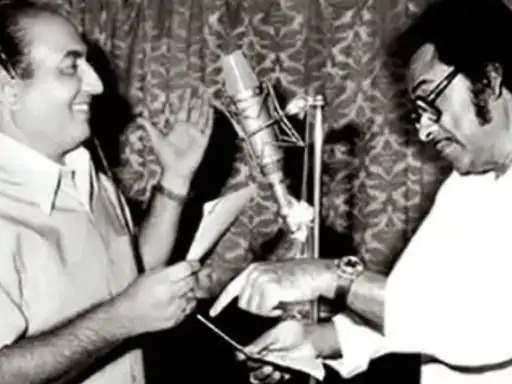
A picture of Mohammed Rafi and Kishore Da taken during a recording.
When he found out he was getting more fees than Rafi, he told the producer – first increase his payment
Mohammed Rafi and Kishore Kumar were often considered rivals, but in private life there was deep respect between them. According to memoirs of several writers including film journalist Raju Bharatan, during the recording of a duet song, Kishore Kumar came to know that he was being paid more than Rafi Sahab. He told the producer that a great singer like Rafi should not get less fees than him. It is said that later the producer increased Rafi’s remuneration.
When Lata didn’t show up for ‘Half Ticket’, he sang both male and female voices himself
The song ‘Aake Seedhi Lagi Dil Pe’ from the 1962 film Half Ticket is considered one of the most unique experiments in Indian film music. Initially, this song was to be recorded in the voices of Lata Mangeshkar and Kishore Kumar, but Lata was not available at the time of recording.
In this situation, Kishore Kumar sang both the male and female parts himself. Even today, it is not easy to differentiate between the two voices. Music critics consider this a rare example of his vocal range and acting ability. It is counted among the most unique presentations of his career.
The first meeting with R.D. Burman was no less than a film scene
The duo of Rahul Dev Burman (Pancham Da) and Kishore Kumar gave countless superhit songs to Hindi film music. Their first meeting was also interesting. R.D. Burman had recounted that when they first met, he saw Kishore Kumar sitting dressed like a saint. Kishore Kumar first joked around, then mimicked different people, and finally introduced himself with a laugh.
Pancham Da used to say that from the very first meeting, he realized that Kishore Kumar was a person from a different world altogether. This very relationship later transformed into one of the most successful composer-singer duos in Hindi film music.
Not without practice, but prepared in his own way
Kishore Kumar used to say that he didn’t do classical riyaz (practice), but he didn’t sing without preparation either. Before recording, he would sit alone for hours understanding the tune, words, and mood. According to many music composers, he spent the most time grasping the emotion of the song. Until he felt that the song had been internally absorbed, he wouldn’t start recording.
He used to talk to trees, so people started calling him eccentric
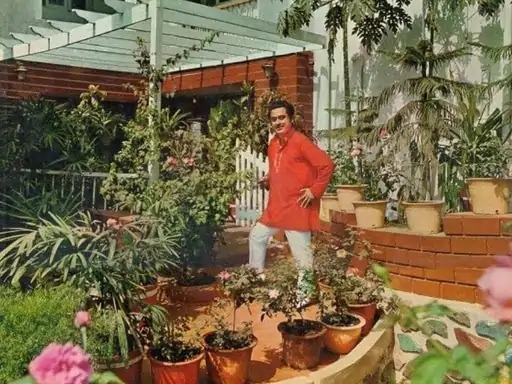
One of the most famous things about Kishore Kumar was that he used to talk to the trees at his bungalow. For years, this story was presented as a symbol of his ‘eccentricity’. However, interviews with his son Amit Kumar and close associates present a different picture.
Amit Kumar has said in several conversations that his father was very close to nature. He enjoyed spending time among trees. He recognized every tree and sometimes talked to them in a humorous manner. Amidst the hustle and bustle of the film industry and continuous work, this was his way of finding peace. Later, many film historians also wrote that this habit was exaggerated and presented as his eccentricity.
To avoid interviews, he had skulls and red lights installed in the drawing room
Kishore Kumar maintained distance from the media. According to memoirs of several senior film journalists, fake skulls, bones and red colored lights used to be installed in his house’s drawing room.
It is said that this was done so that a first-time visitor would feel a bit uncomfortable. After this, Kishore Kumar would start the conversation in his own style. According to some journalists, before interviews he would put forth humorous conditions – ‘Don’t ask for food from my house, don’t ask for money as loan and don’t ask for my horror film collection.’
This was the reason why his interviews became a different experience from other artists.
Buried the car in the garden and mourned for several days
The most talked-about story related to Kishore Kumar is about his first car. According to film journalist Raju Bharatan and several biographies, when his first car completely broke down, he refused to sell it as scrap. He had the car buried in the premises of his bungalow and mourned for it for several days.
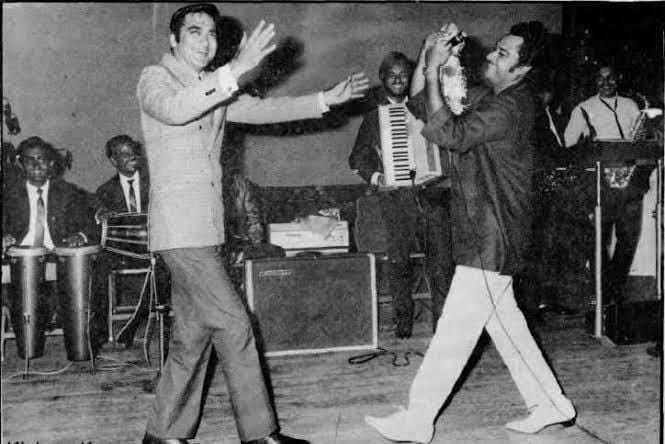
Sunil Dutt had persuaded Kishore Kumar for a year to perform in front of Indian Army soldiers.
Kishore Kumar was afraid of singing on stage, Sunil Dutt removed his fear by playing the ‘Ek Chatur Naar’ trick
Kishore Kumar was as excellent a singer as he was afraid of singing on live stage. Sunil Dutt kept persuading him for about a year to perform in a program organized for Indian soldiers. Finally Kishore agreed, but said – you will stand in front of the mic, I will sing from behind, just like the song ‘Ek Chatur Naar’ from the film Padosan.
As soon as Kishore Kumar closed his eyes and started singing, Sunil Dutt quietly left the stage. When Kishore opened his eyes hearing the echo of applause, he was alone on stage. After this, he sang many songs with full confidence and his stage fear ended forever.
He lived in Mumbai, but his heart always resided in Khandwa
Despite becoming the voice of millions of people, Kishore Kumar could not completely blend into the glitz and glamour of Mumbai. He mentioned his ancestral city Khandwa in many interviews. He often used to say that one day he would leave everything and return to Khandwa. The streets there, childhood memories and simple life always drew him towards itself.
This wish of his could not be fulfilled. He passed away in Mumbai on 13 October, 1987, but according to his last wish, his mortal remains were taken to Khandwa, where the last rites were performed. This is why even today Khandwa is considered not just his birthplace, but his greatest emotional identity.