








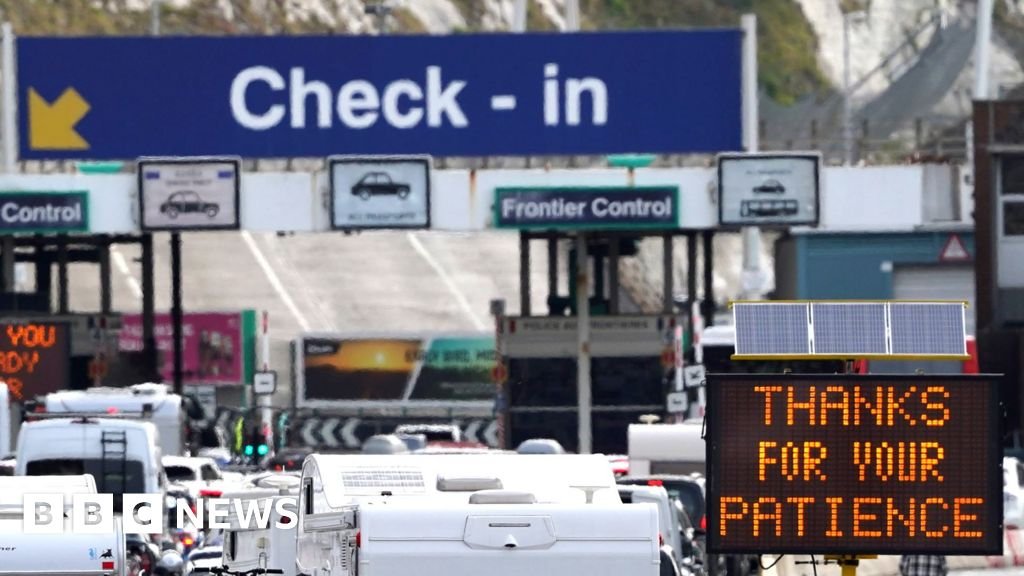
In a move that signals a cooling of post-Brexit trade tensions, the UK and the European Union have finalized a landmark food and agricultural deal. This agreement, which serves as the cornerstone of a broader “Brexit reset,” aims to streamline the movement of food products across borders, significantly reducing the bureaucratic friction that has plagued food exporters since the UK’s departure from the bloc. While the deal is diplomatic in nature, its implementation leans heavily on the digital infrastructure currently being overhauled by the UK government and global tech giants.
Digitizing Borders: The Role of AI and Data
The success of this agreement relies on the “Smarter Borders” initiative, a digital-first approach to trade that incorporates advanced artificial intelligence to minimize delays. By utilizing automated data processing and predictive analytics, the UK is integrating technology platforms that resemble the operational efficiency of modern cloud-computing ecosystems. Google’s enterprise cloud services and machine learning models are being eyed by both logistics firms and government agencies to predict supply chain bottlenecks before they manifest at the port.
This digital transformation isn’t just about moving food; it’s about shifting from manual document checks to an AI-augmented oversight model. By employing advanced image recognition and automated data verification—technologies central to current Google Cloud updates—customs officials can clear goods in seconds rather than days. This transition mirrors the industry-wide move toward AI-driven logistics, where tech giants provide the “plumbing” that keeps global trade moving in an increasingly complex geopolitical landscape.
The “Brexit Reset” and Tech Integration
As officials prepare for the upcoming UK-EU summit, the focus has shifted from mere political rhetoric to the technical implementation of this reset. For tech companies operating in the UK, this stability is vital. Uncertainty regarding trade barriers often ripples into the tech sector, making it difficult for firms to integrate their supply chains with continental partners. By stabilizing the food trade—a sector heavily dependent on rapid, refrigerated logistics—the government is demonstrating a commitment to the kind of predictable regulatory environment that major tech corporations require to thrive.
Industry experts note that the integration of real-time tracking data and IoT (Internet of Things) devices on transport vessels will be essential to meeting the new standards set by the agreement. Google, through its various logistics software suites and data visualization tools, is positioned to play a background, yet essential, role. As these updates to the food trade agreement take hold, they serve as a blueprint for how other goods—including electronic components and hardware—might soon see a “digital fast-track” into the UK.
What This Means for the Tech Landscape
The overarching theme of this agreement is the removal of friction. In the same way that Google’s recent updates to its core search and productivity suites aim to reduce the “friction” of accessing information, this food deal aims to strip away the digital and physical barriers that have hampered cross-channel commerce.
Looking forward, the integration of smart-contract technology and blockchain-based provenance tracking—areas where large tech companies are making massive R&D investments—could be the next frontier for this partnership. As the UK and EU align their regulatory frameworks, the reliance on high-tech, cloud-native solutions will only grow. For consumers, this translates into more resilient supply chains and, potentially, lower costs. For the tech industry, the “Brexit reset” offers a unique opportunity to provide the software architecture that will ultimately define the future of European trade, turning a geopolitical challenge into a seamless, automated, and AI-enabled reality.
Disclaimer: This content is auto-generated for informational purposes only.
Source: Read Original News