








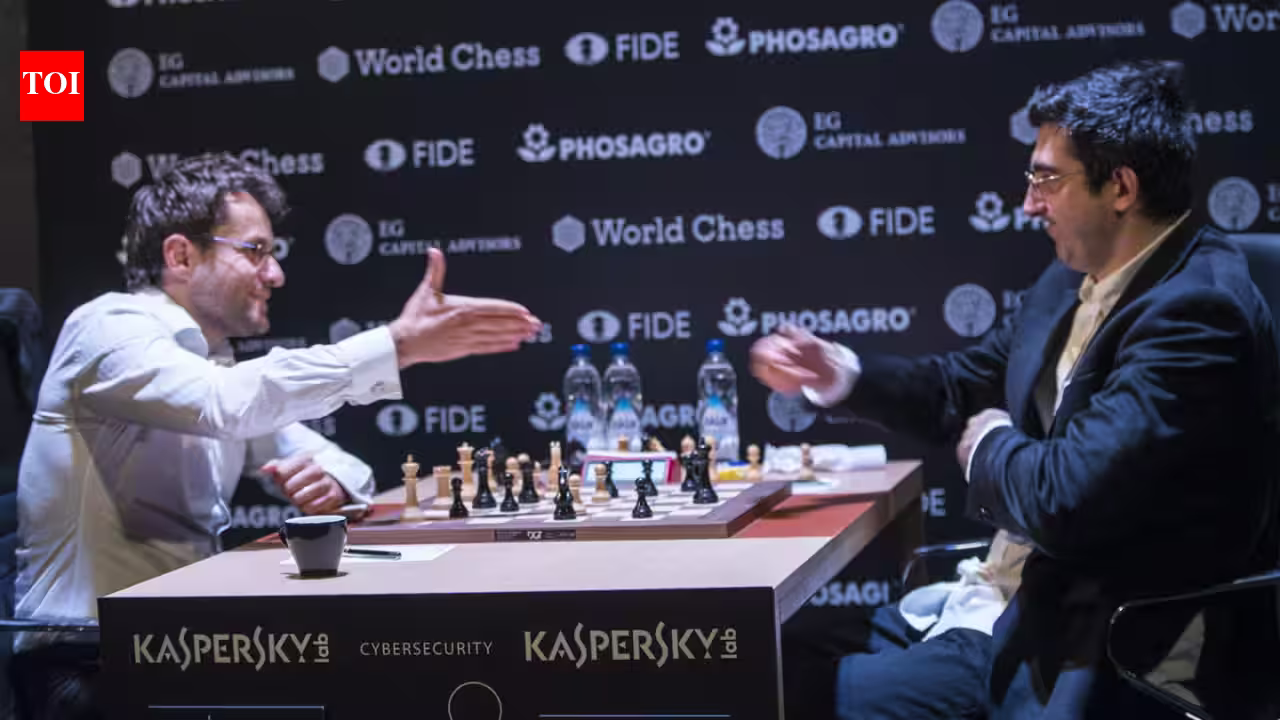
Tensions within the elite chess fraternity have bubbled to the surface this week as a candid interview with Levon Aronian sparked a sharp, yet calculated, response from former world champion Vladimir Kramnik. The exchange centers on the delicate balance between professional humility and the objective assessment of one’s place in the pantheon of the game’s greatest minds.
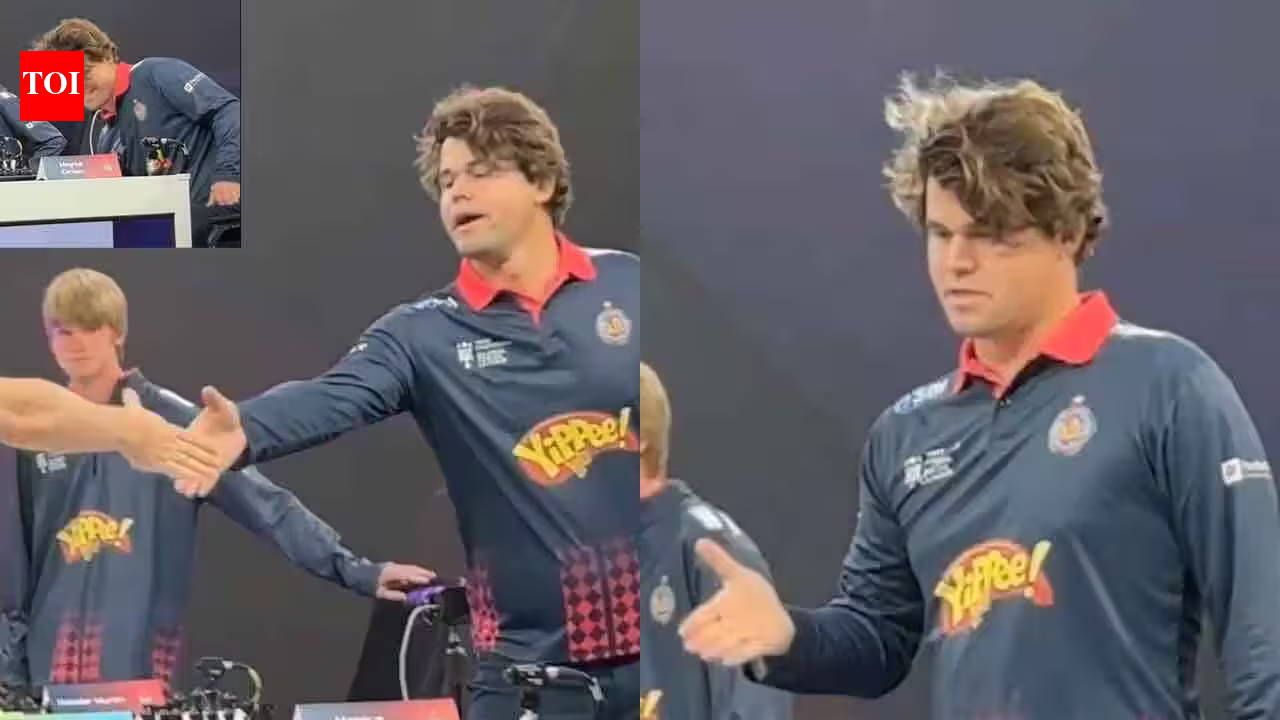
The discourse began when Aronian, the 43-year-old American grandmaster and perennial fan favorite, sat down for an exclusive interview with The Times of India. When pressed on the perennial “what if” regarding his failure to capture the classical World Championship title, Aronian offered a perspective that was as refreshing as it was surprising.
A “Miracle” in the Rankings
Far from expressing bitterness or lingering regret over his failure to ascend to the top of the classical throne, Aronian revealed an outlook grounded in deep pragmatism. For a man who has competed at the absolute summit of the sport for two decades, his self-assessment leaned toward the remarkably modest.
“No, I have no regrets whatsoever,” Aronian stated. “First of all, I never valued myself so highly as a chess player. Of course, I have talent, and of course I’m better than many World Champions in my understanding of chess. But the very fact that I reached No. 2 in the world rankings is already a miracle to me. Because my chess knowledge used to be much worse before.”
Aronian’s comments suggest that he views his professional journey not as a quest for a singular trophy, but as a continuous process of evolution. He went on to caution against the dangers of goal-oriented pressure, arguing that the fixation on specific titles often introduces unnecessary anxiety into an already high-stakes environment. “It’s better to simply enjoy yourself and appreciate what you have,” he added.
Kramnik’s “Modest Confidence”
However, Aronian’s claim that his fundamental understanding of the game is superior to that of many former world champions did not go unnoticed. Vladimir Kramnik, who famously dethroned Garry Kasparov in 2000 to hold the classical title for seven years, took to social media platform X to dissect the statement.
Kramnik, known for his analytical precision and often blunt demeanor, acknowledged Aronian’s status as a “remarkable and extraordinary chess player.” Yet, he appeared visibly intrigued, and perhaps mildly skeptical, of the specific assertion regarding Aronian’s comparative depth of understanding.
“I would call this claim ‘modest confidence’,” Kramnik wrote. He went on to highlight the audacity of the comparison, noting: “‘Better than MANY world champions’ in chess understanding? Hard to judge, but quite a statement.”
The Weight of a Legendary Career
Kramnik’s intervention serves as a reminder of the rarefied air Aronian has occupied. In the modern era, few have sustained the level of brilliance required to remain a top-ten fixture for as long as the Armenian-born grandmaster.
Aronian’s resume is nothing short of glittering, even in the absence of the classical crown. His peak FIDE rating of 2830—a figure reached by only a tiny fraction of human players in history—places him in the absolute upper echelon of the game. His list of accolades includes two FIDE World Cup titles (2005 and 2017), alongside a decorated tenure leading the Armenian team to three Chess Olympiad gold medals. Furthermore, his mastery in rapid and blitz formats ensures his name is etched firmly into the history books.
The friction between the two legends highlights a classic debate in professional sports: the objective value of a career defined by sustained brilliance versus one defined by a singular, historic peak.
The Philosophy of the Game
Aronian’s rejection of the “regret” narrative speaks to a shift in how elite competitors are approaching the twilight of their careers. By dismissing the need to define his legacy through a single world title, he challenges the traditional hierarchy of the sport. His insistence that his success was a “miracle” born from a commitment to learning—rather than a predestined path to glory—offers a grounded, humanizing counterpoint to the relentless grind of title-chasing.
Kramnik’s retort, while bordering on playful, underscores the respect the old guard has for the sanctity of the world champion’s title. To suggest one is “better” than those who held the crown is to challenge the very currency of chess greatness.
As these two grandmasters exchange views, the chess community is left to ponder the nature of greatness. Whether Aronian’s assessment is born of genuine humility or a quiet confidence in his own strategic depth remains a point of debate. What is certain, however, is that both players are icons of the game, and their intellectual sparring continues to captivate fans long after they have moved their final pieces on the board.
Disclaimer: This content is auto-generated and paraphrased.
Source: Read Original News