




Environmental advocates and health experts are currently participating in a high-stakes virtual public hearing to voice strong opposition to the Trump administration’s plan to dismantle landmark methane pollution standards. The hearing, which spans two days, marks a critical juncture in the public comment period following the Environmental Protection Agency’s (EPA) formal proposal to reverse key environmental safeguards finalized in 2024.
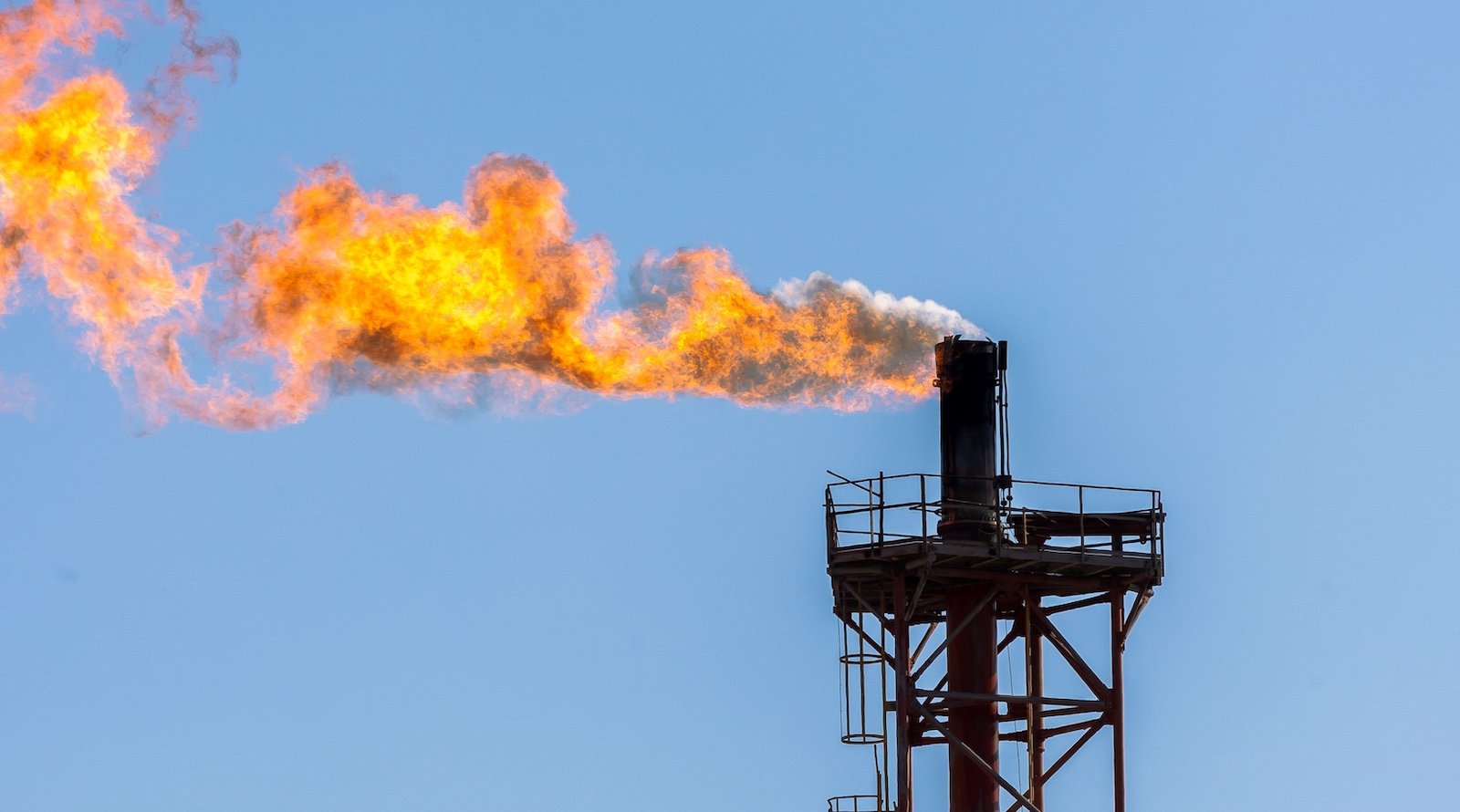
The controversy stems from the current administration’s efforts to strip away regulations intended to curb methane—a potent greenhouse gas—from both new and existing oil and gas infrastructure. Shortly after taking office in 2025, the Trump-led EPA moved to suspend the implementation of major provisions of these standards, stalling enforcement for 18 months despite a lack of evidence regarding compliance challenges. Now, the administration aims to make those rollbacks permanent, targeting critical tools such as the ban on routine flaring at oil wells and a program designed to utilize third-party monitoring data to identify and address “super-emitter” events—large-scale, uncontrolled methane releases.
Perhaps most contentious is the proposal to exempt low-producing, or “marginal,” wells from leak monitoring requirements. Despite industry arguments for these exemptions, data consistently indicates that these sites are major contributors to the sector’s total emissions. According to environmental researchers, nearly half of the oil and gas industry’s methane emissions originate from these sources, many of which are owned by large, well-capitalized corporations rather than small, independent operators. Furthermore, approximately one in ten Americans resides in a county currently hosting more than a thousand such wells, creating a widespread public health concern regarding local air quality.
Sierra Club representatives are among the primary voices testifying against the rollback, characterizing the move as a betrayal of public interest in favor of industry interests. Andres Restrepo, a senior attorney for the organization, argued that the 2024 standards were based on mature, cost-effective technologies that the industry has successfully employed for years. “The agency is attempting to manufacture sham justifications to mask what is nothing more than the giveaway that Donald Trump openly promised to oil and gas executives,” Restrepo stated.
The potential impacts extend beyond the climate implications of methane, which is roughly 80 times more potent than carbon dioxide at trapping heat over a 20-year period. Methane leaks from the oil and gas sector are frequently accompanied by volatile organic compounds (VOCs) and hazardous air pollutants, including benzene and formaldehyde—both known human carcinogens.
State-level leaders within the Sierra Club highlighted the regional consequences of these federal policy shifts. Cyrus Reed, director of the Lone Star Chapter in Texas, emphasized that rolling back these standards would exacerbate existing ozone and particulate matter pollution in a state that is already a national leader in energy production. Meanwhile, Antoinette Reyes, an organizer in the Permian Basin, underscored the reality that pollution knows no state lines, noting that while states like New Mexico are attempting to bolster their own protections, federal standards are essential to ensuring uniform safety.
The stakes are quantified by the EPA’s own previous projections: the 2024 standards were estimated to prevent 58 million tons of methane, 16 million tons of VOCs, and 590,000 tons of toxic air pollutants from entering the atmosphere through 2038. For health advocates, such as those in the Pennsylvania chapter, the rollback represents a direct disregard for the health of communities already burdened by high rates of pediatric asthma and cancer.
As the public comment period proceeds, the debate highlights a deepening divide over the role of federal regulation in the energy sector. While the administration frames the rollback as a reduction of regulatory burdens, environmental groups maintain that the standards are essential to curbing climate change and protecting the fundamental health of the American public.
Disclaimer: This content is auto-generated for informational purposes only.
Source: Read Original News