








Strategic Collaboration Between Apple and LG Electronics
The landscape of smart home automation is undergoing a significant shift as industry giants move toward deeper integration and hardware standardization. Reports indicate that Apple is partnering with LG Electronics to develop a new suite of smart home accessories. While Apple has long maintained a tight ecosystem, this partnership marks a tactical departure from its traditional internal development cycle. By leveraging LG’s manufacturing capabilities and hardware expertise, Apple aims to expand its footprint in the residential technology market without the massive overhead associated with building, distributing, and supporting a vast catalog of standalone security and environmental hardware.
These upcoming products, which include a wired video doorbell, a smart deadbolt, a thermostat, and various surveillance cameras, are being engineered with deep hooks into the Apple Home architecture. Although the products will carry the LG brand, Apple has played a decisive role in their design and engineering specifications. This arrangement allows Apple to ensure a high level of performance and security that aligns with its ecosystem standards, while LG handles the physical assembly and global logistics.
Hardware Specifications and Connectivity Standards
A critical aspect of these new devices is their commitment to modern connectivity protocols. Technical documentation reveals that the accessories will feature support for Wi-Fi, Bluetooth, and the Thread networking protocol. The inclusion of Thread is particularly noteworthy, as it facilitates a mesh network that improves the reliability and responsiveness of smart home devices, reducing reliance on a single central hub while maintaining low power consumption.
Perhaps the most significant addition is the support for Matter. As an open-source connectivity standard for smart home devices, Matter ensures interoperability between different brands and platforms. By adopting this standard, the LG-manufactured accessories will not be locked exclusively to Apple’s ecosystem, although they are designed to offer superior functionality when paired with upcoming Apple hardware. Furthermore, the smart deadbolt is expected to utilize Ultra-Wideband (UWB) technology. This precision-based radio technology enables accurate spatial awareness, allowing the lock to detect exactly when an authorized user is approaching the door, thereby facilitating secure, hands-free auto-unlocking.
Expanding the Portfolio of Smart Home Security
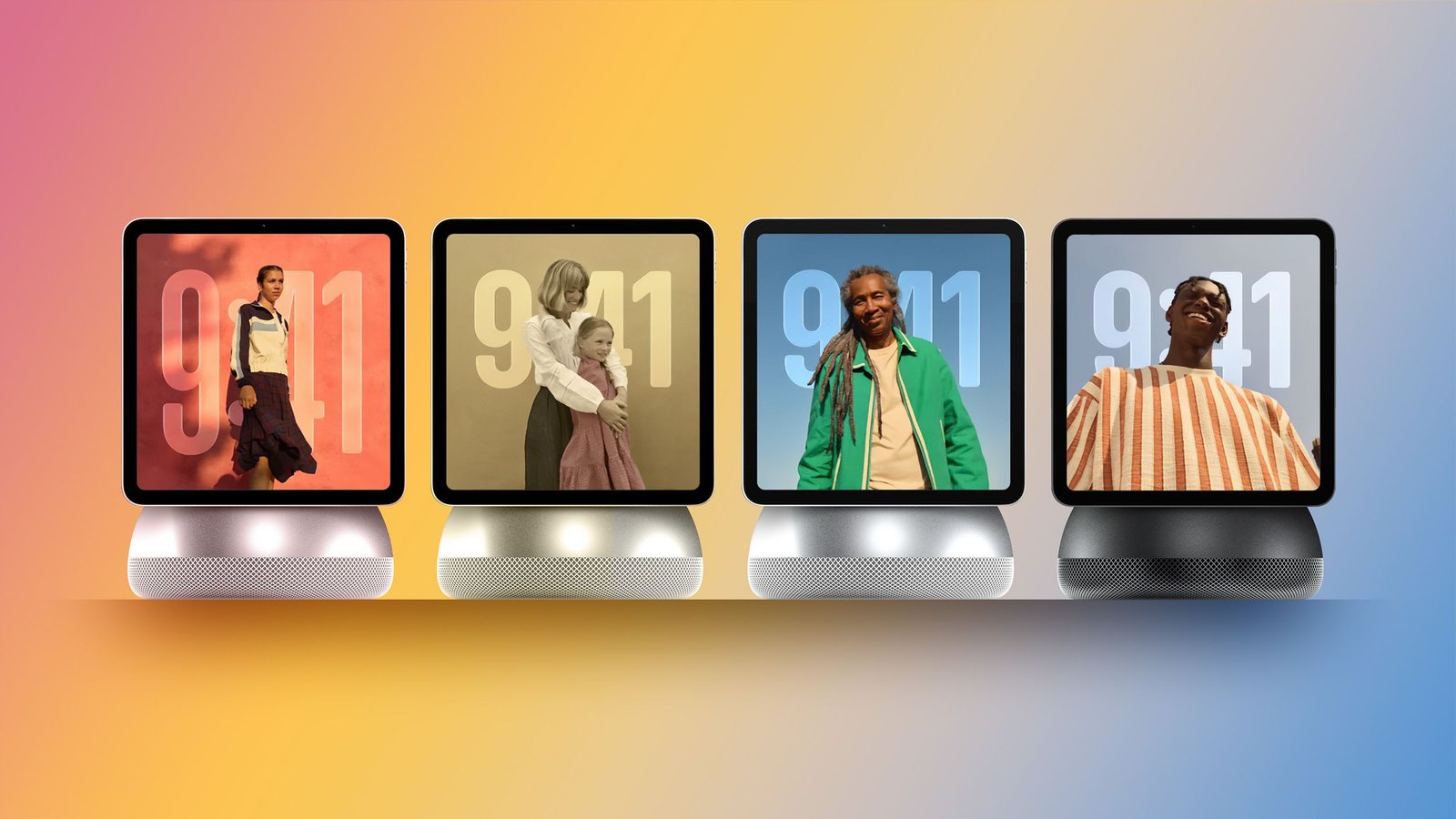
The product lineup is comprehensive, covering the primary pillars of residential security and climate management. The collection includes a wired video doorbell, an indoor security camera, an outdoor security camera, and a floodlight camera. These devices are designed to function in tandem with an upcoming Apple home hub, which is expected to serve as the central command center for the entire smart home setup.
Beyond security, the inclusion of a smart thermostat and a temperature sensor indicates an attempt to capture the climate control market, currently dominated by competitors like Google Nest. These devices will likely integrate with HomeKit’s automated energy-saving features, allowing users to optimize home heating and cooling based on their presence or specific time-based schedules. By diversifying into sensors and climate controls, the collaboration aims to provide a more holistic management system for residential utility usage.
The Role of LG in the Smart Home Evolution
LG’s transition into a major player in the smart home accessory market is a calculated strategic move. While the company is well known for its display technology and major home appliances, its recent acquisition of a majority stake in the smart home platform Homey demonstrates a clear intent to move into software-defined residential management. This partnership with Apple provides LG with the perfect vehicle to introduce its hardware to a massive, existing user base that is already invested in the Apple ecosystem.
This move positions LG to challenge incumbent market leaders such as Amazon Ring and Samsung SmartThings. By positioning these devices as “Apple-developed” in terms of their core logic and user experience, LG benefits from the premium reputation associated with the Apple brand. For Apple, this provides a pathway to quickly scale its home hardware offerings, allowing the company to iterate on product design and software features at a pace that would be difficult to achieve if every component were manufactured in-house.
Anticipating the Ecosystem Integration
While the market awaits the formal release of these devices, the impact of this partnership will likely be felt most strongly in the seamless integration between the hardware and the user interface. By controlling the end-to-end integration, from the physical sensor to the Home app on the user’s iPhone or Apple TV, the developers aim to eliminate the common pain points of smart home setups, such as latency, failed pairing, and fragmented management interfaces.
The strategy of utilizing second-party suppliers for hardware is a mature approach that reflects Apple’s current focus on software services and ecosystem density. As the company prepares to introduce its next generation of Apple TV and HomePod hardware, these LG-branded accessories will function as the physical entry points into a unified smart home experience. Although these products are expected to arrive in the market a few months after the upcoming October 13 event, their launch will likely signal a new phase for residential automation, where interoperability, secure data handling, and ease of use are the primary drivers of consumer adoption.
Disclaimer: This content is auto-generated for informational purposes only.
Source: Read Original News