







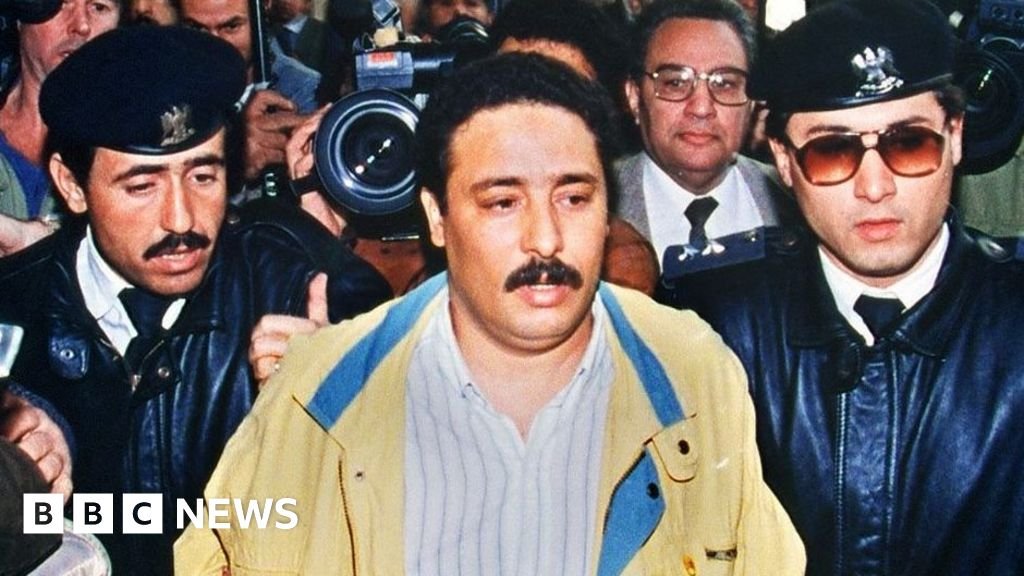
Al Amin Khalifah Fhimah, Former Libyan Intelligence Officer Linked to Lockerbie Bombing, Dies
TRIPOLI — Al Amin Khalifah Fhimah, a former Libyan intelligence officer who was one of the two men tried for the 1988 bombing of Pan Am Flight 103 over Lockerbie, Scotland, has died.
The news of his passing was confirmed in a brief statement posted to social media by Libyan Airlines, the state-owned carrier where Fhimah had once served as a station manager in Malta. In the post, the airline expressed its formal condolences to his family, marking the end of a life defined by one of the most significant acts of international terrorism in the 20th century.
Fhimah, along with co-defendant Abdelbaset al-Megrahi, was accused of placing the suitcase containing the explosive device that brought down the Boeing 747 on December 21, 1988, killing all 259 people on board and 11 residents on the ground in the Scottish town of Lockerbie.
The subsequent legal odyssey saw the two men stand trial in a special Scottish court convened at Camp Zeist in the Netherlands. In 2001, the three-judge panel acquitted Fhimah of all charges due to a lack of sufficient evidence, while finding al-Megrahi guilty. Fhimah was permitted to return to Libya shortly thereafter, while al-Megrahi was sentenced to life in prison, though he was later released on compassionate grounds in 2009 before dying in Tripoli in 2012.
For decades, the Lockerbie bombing has remained a central point of geopolitical friction and a painful chapter for the families of the victims. Despite the trial’s conclusion and the international sanctions imposed on Libya following the tragedy, questions regarding the extent of the Libyan government’s involvement—and the roles played by other intelligence operatives—have persisted for years.
In late 2022, U.S. authorities announced that Abu Agila Mohammad Mas’ud Kheir Al-Marimi, a third man suspected of constructing the bomb used in the attack, was in American custody. His case remains a testament to the decades-long pursuit of justice by the international community.
Fhimah’s death closes a notable chapter in the ongoing narrative of the Lockerbie case, as the legal and historical accounting for the disaster continues to unfold more than 35 years later.