







Drought Crisis Deepens Across England as East Midlands Faces Record Dry Spell and Vandalism Threatens Water Resources
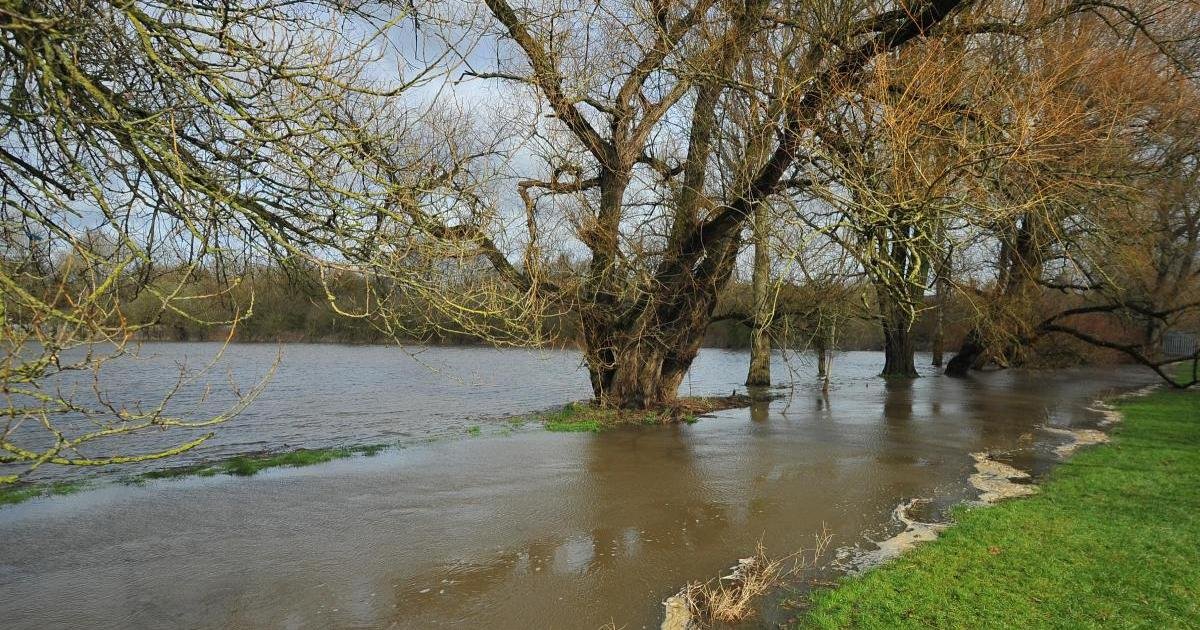
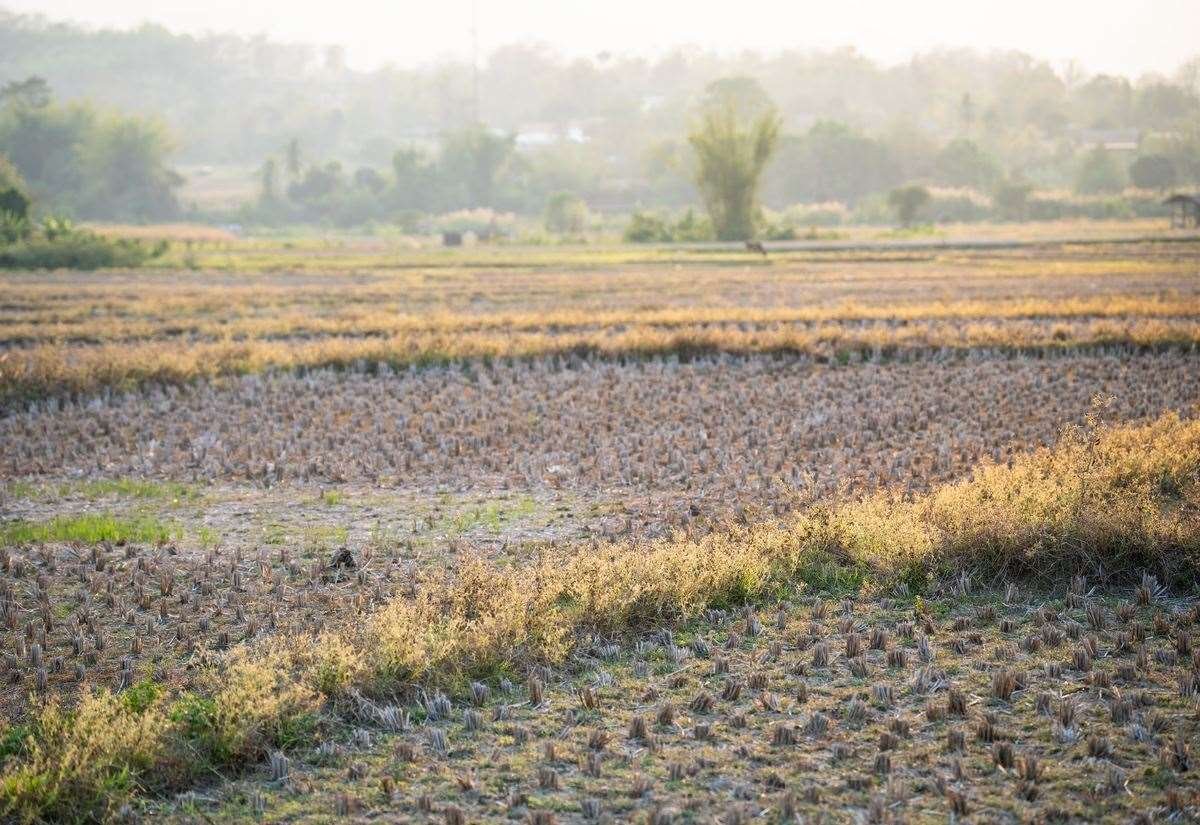
England is grappling with a severe drought, with a staggering 71.3% of the nation now officially in drought status following the driest July on record. This encompasses critical regions like the East Midlands, Lincolnshire, and Northamptonshire, impacting an estimated 45 million people across the country.
All regions are experiencing significant strain on their water resources, with cascading impacts on agriculture, public water supplies, navigation, and the delicate balance of the environment. The National Drought Group has highlighted the escalating pressures, urging urgent action and public cooperation.


The East Midlands, in particular, has been hit hard. Rainfall in the region has been below average for five consecutive months, making the combined spring and summer period the driest since 1995 and the fourth driest in a 156-year record. July’s rainfall figures were unprecedented, marking it as the driest July ever recorded.
In response, the Environment Agency (EA) has been working tirelessly with partners including fisheries, local councils, and the Canal & River Trust to manage numerous drought-related incidents. This involves providing crucial advice on mitigating the effects of low oxygen and water levels, controlling algal blooms, and addressing other significant drought impacts.
Tony Grayling, strategic drought lead at the Environment Agency and chair of the National Drought Group, issued a stark warning: “Drought conditions are worsening and will continue to do so until we see significant and sustained rainfall.” He emphasized the severe consequences for the agricultural sector, stating, “We know the hot and dry weather is taking a real toll on farming and there will be long-lasting impacts on our environment.”
Grayling appealed to the public for collective effort: “We want everyone to stay safe and hydrated over the summer, but we need everyone’s help in using a little less water to make sure our current water reserves last. Every drop we can save is a drop more for your local farmers, local wildlife and local rivers.”
To enhance oversight and inform regulatory decisions, the Environment Agency has intensified its monitoring of river levels, flows, and groundwater depth. Additional river flow checks have also been implemented to provide a comprehensive real-time picture of the evolving situation.
Adding to the challenges of the natural drought, the Environment Agency is confronting a disturbing rise in vandalism targeting vital water control infrastructure. The agency is urgently appealing to the public to cease tampering with sluices, locks, and other water management structures.
Ashton Lock, located near Oundle, has emerged as one of the worst-affected sites. Vandalism there included the damage and subsequent theft of its winding wheel, forcing its removal for repair. A temporary fix was installed only to be stolen, and the lock’s guillotine gate, which is crucial for controlling water flow, was also tampered with, resulting in the drainage of water essential for wildlife and navigation.
In a separate, but equally alarming, incident at Ashton Lock, individuals removed a life buoy and its rope from a safety station. They then used the rope to tie open the lock’s doors and subsequently wound up the guillotine gate, causing water to drain from the upstream section. This destructive behaviour has been reported to the police due to its repeated occurrence.
Further incidents across the region include attempts to break into control panel boxes, individuals climbing on guillotine gates, and jumping into locks. The latter poses significant safety risks due to hidden hazards within the infrastructure, putting lives in serious jeopardy.
A persistent issue on the River Nene involves people manually winding up lock paddles, leading to the drainage of the river stretch above. The area most severely impacted by this is between Upper and Lower Barnwell locks, a location home to Oundle Marina where many residents live aboard their boats, depending on stable water levels.
Moreover, there have been reports of individuals climbing onto or breaking into weed-cutting boats left on riverbanks during maintenance, further demonstrating a disregard for essential water management equipment and safety protocols.