




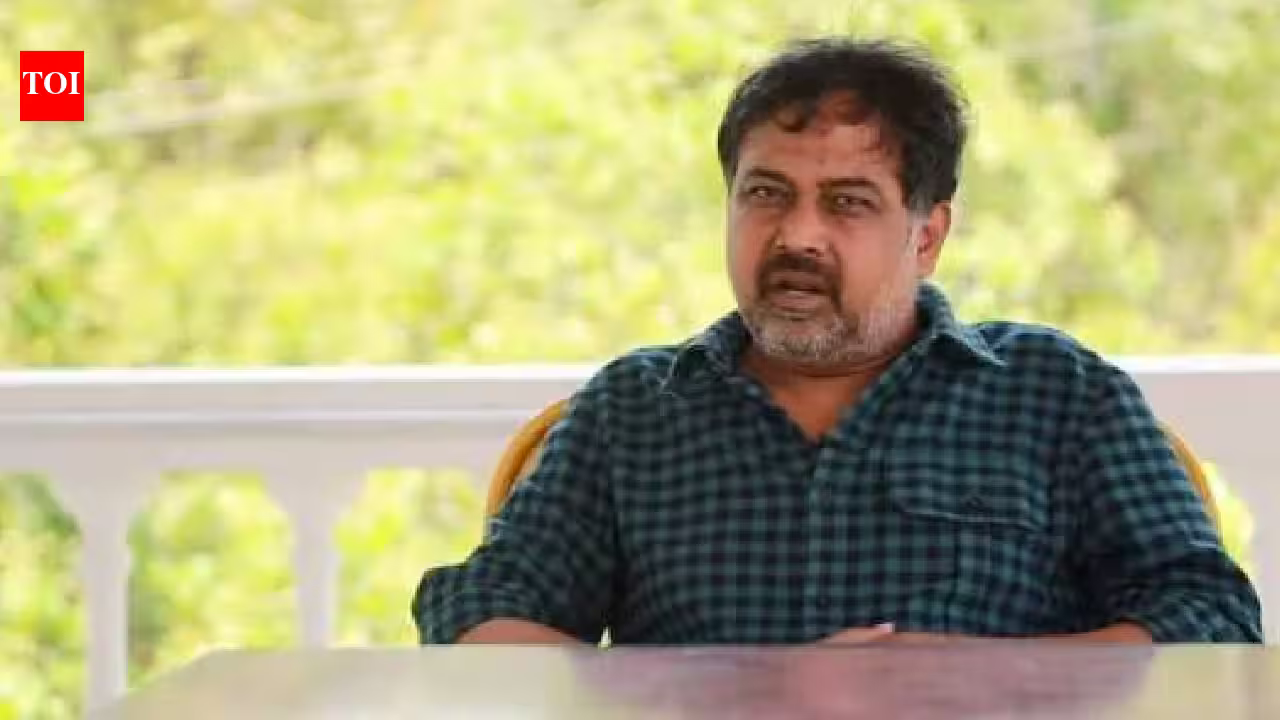
In the high-stakes landscape of Indian cinema, where the “franchise” has become the new gold standard for box office stability, a cautionary tale has emerged from an unlikely source. Director Lingusamy, a titan of Tamil commercial cinema, is pulling back the curtain on the perils of revisiting past glory. His latest introspection regarding the lukewarm reception of Sandakozhi 2 serves as a stark reminder that while nostalgia is a powerful marketing tool, it is not a substitute for narrative momentum.
In a recent, candid conversation with Behindwoods, Lingusamy didn’t shy away from the elephant in the room: his 2018 action-drama Sandakozhi 2. While the film carried the legacy of his 2005 cult classic, it struggled to capture the same lightning-in-a-bottle energy that made the original a genre-defining hit. Lingusamy’s assessment is simple yet profound: the culprit was time.
The Timing Trap: Why Delays Kill Momentum
The central thesis of Lingusamy’s argument is that the window of opportunity for a successful sequel is significantly smaller than most producers believe. “There is a problem with sequels,” he noted. “If you are going to make one, you should make it immediately. If there is a long gap, everything about it changes.”
This is a sentiment that resonates with modern cinephiles. When a director waits over a decade to return to a character or a world, they aren’t just facing the challenge of evolving a story; they are fighting the shifting sands of audience taste. The cultural lexicon, the pacing of action sequences, and even the star power of the leads undergo fundamental transformations during long hiatuses. For Lingusamy, Sandakozhi 2 served as a masterclass in this reality. By the time the sequel reached screens, the gritty, earthy charm of the original had been overtaken by the hyper-stylized demands of contemporary Tamil cinema, leading to a disconnect between the film and its audience.
The Gold Standard: Lessons from ‘Baahubali’ and ‘KGF’
To illustrate his point, Lingusamy pointed toward the modern titans of the franchise model. He cited Baahubali, KGF, and the more recent Rajinikanth starrer Jailer as prime examples of how to execute a vision that keeps audiences hooked.
What sets these films apart, in the director’s view, is the continuity of intent. In the cases of Baahubali and KGF, the sequels were baked into the DNA of the original projects. They weren’t afterthoughts triggered by a desperate need for a hit; they were planned as comprehensive sagas. Jailer, while technically a standalone narrative, functions as a high-octane spectacle that understands exactly what the modern, post-pandemic audience craves: scale, pace, and an uncompromising adherence to the established “mythos” of the hero. These films didn’t wait for nostalgia to build—they rode the momentum of the immediate cultural conversation to create a cinematic event that felt urgent.
The ‘Run’ Dilemma: When Stars Dream of Sequels
Perhaps the most intriguing part of Lingusamy’s discourse is his revelation regarding his 2003 blockbuster, Run. The film, which solidified Madhavan’s status as a formidable commercial lead, remains a staple of late-night television and internet memes. Its popularity is so enduring that, as Lingusamy revealed, leading stars are still pushing for a follow-up.
“Recently, I met a big hero. When I told him that I was going to make a film, he immediately asked me to make Run 2,” the director shared. While the fanboy inside any filmmaker might be tempted to jump at the chance to bring back a beloved character, Lingusamy’s reaction was one of seasoned apprehension. He understands that Run was the product of a specific moment—a specific synergy between a director in his prime and an actor who embodied a specific kind of underdog heroism. To replicate that today would be an exercise in extreme risk. “We create magic once,” Lingusamy mused, “but when we return after a gap, it may not work.”
The Myth of Nostalgia
Lingusamy’s caution highlights a growing fatigue within the industry regarding the “sequelization” of everything. In a rush to secure opening weekend numbers, studios are increasingly leaning on established intellectual property. However, as the director points out, this strategy is fraught with hidden pitfalls.
The biggest risk is the “expectation gap.” When a sequel takes too long to arrive, the audience’s memory of the original becomes idealized. They don’t remember the flaws; they only remember the high points. When the sequel inevitably fails to live up to that polished mental image, the disappointment is amplified. A sequel created in the immediate shadow of its predecessor is judged on its own merits, whereas a sequel created years or decades later is judged against a ghost.
Looking Ahead: The Future of Franchises
As Lingusamy continues his journey as a director, his words serve as a vital piece of advice for the next generation of filmmakers. Franchises should not be viewed as insurance policies for flagging careers, but as living, breathing stories that require a constant pulse.
Whether or not we will ever see a Run 2 remains to be seen, but Lingusamy’s reluctance is as telling as it is refreshing. He understands that in the world of movies, sometimes the greatest act of respect you can show a hit film is to leave it exactly where it belongs: in the hall of fame, untouched by the inevitable erosion of time. The lesson is clear: if you can’t strike while the iron is hot, perhaps it is better to forge a brand-new sword instead.
Disclaimer: This content is auto-generated for informational purposes only.
Source: Read Original News