








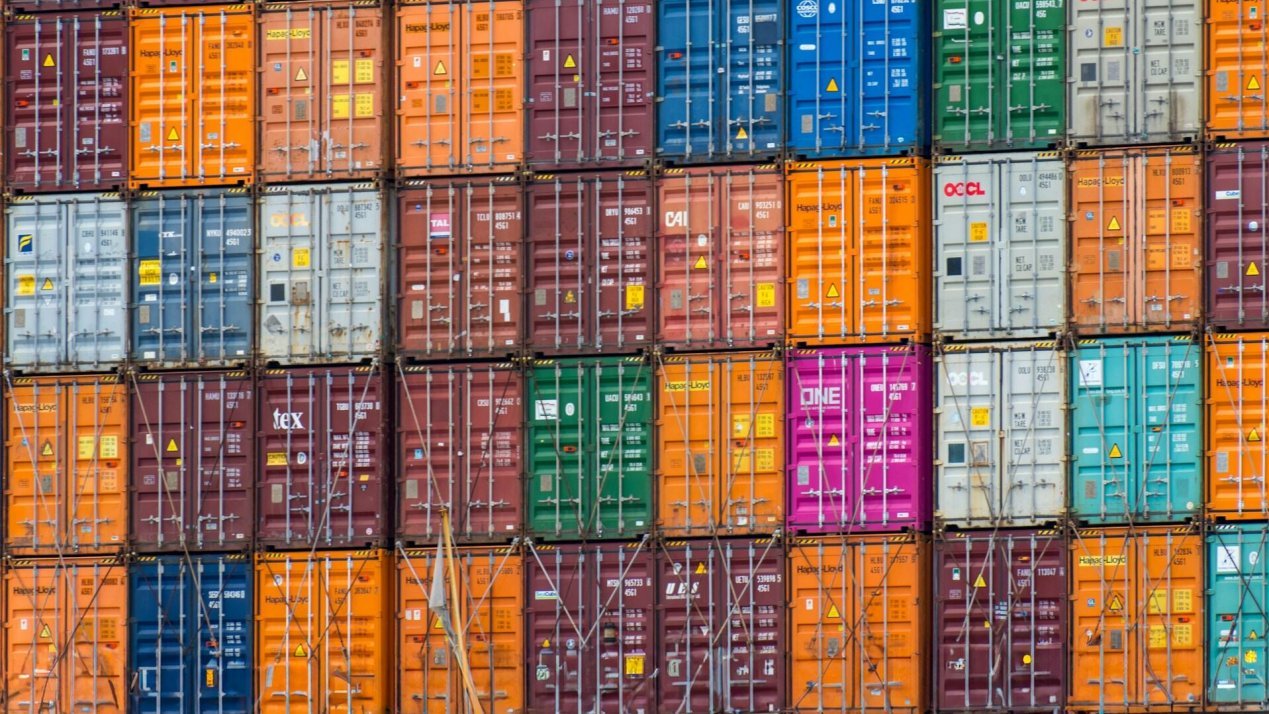
The Port of Manzanillo has cemented its status as the maritime gateway of Mexico, reporting a robust 11% increase in container volume during the first eight months of the year. According to the latest performance data from the National Port System Administration (ASIPONA), the facility processed nearly 2.825 million twenty-foot equivalent units (TEUs), reinforcing its dominance as the premier hub along the Pacific coast of Latin America.
Handling approximately 45% of all containerized maritime traffic entering Mexico across both Pacific and Gulf coasts, Manzanillo’s operational efficiency has become a critical benchmark for the regional supply chain.
## Export Momentum and Cargo Diversification
The surge in volume was primarily fueled by a dynamic export sector, which saw a 16% year-over-year expansion. Export cargo now represents 44% of the port’s total containerized throughput, while imports account for 41% and ship-to-ship transshipments comprise the remaining 15%.
Beyond standard containers, the port maintained a diverse operational profile. Containerized goods made up three-quarters of all commercial cargo, contributing to a 6% overall increase in commercial volume. The remaining traffic was bolstered by mineral bulk (16%), agricultural bulk (6%), and general cargo (4%). This balance underscores Manzanillo’s versatility in managing everything from raw industrial materials to finished consumer goods, a complexity that is increasingly being optimized by global logistics platforms.
## Digital Transformation and AI in Global Shipping
As Manzanillo continues to expand, the integration of advanced logistics technology remains a top priority for global shipping giants like Ocean Network Express (ONE), Hapag-Lloyd, and Maersk. These operators are increasingly turning to data-driven AI solutions and cloud-based infrastructure—such as those integrated with Google Cloud’s Supply Chain Twin and Demand Sensing capabilities—to navigate the complexities of modern port congestion and vessel scheduling.
By leveraging AI and predictive analytics, logistics providers can better anticipate cargo arrival fluctuations and optimize container stacking within terminal yards. As ports reach record-breaking volumes like those seen in Colima, the ability to process real-time data regarding vessel arrivals is no longer just an operational preference but a competitive necessity. For a port handling 1,175 vessel calls in just eight months, the ability to utilize machine learning for berth planning and truck gate automation helps maintain the flow of goods without overwhelming infrastructure capacity.
## Infrastructure Growth and Future Outlook
The sheer scale of activity at the port—highlighted by the arrival of 1,175 ships, 90% of which were commercial carriers—signals a strong recovery and expansion phase for Mexican maritime trade. With 76% of commercial vessels identified as container ships, the facility is successfully aligning its infrastructure with the global trend of mega-vessel deployment.
Looking ahead, the focus for the Port of Manzanillo will likely shift toward further automation and digital integration. As global supply chains become increasingly fragmented, the ability to provide real-time visibility through Google-backed logistics tracking tools or localized digital logistics platforms will be essential. By combining its strategic geography with smarter, data-informed terminal management, Manzanillo is well-positioned to maintain its growth trajectory, ensuring that it remains the backbone of Mexican international trade even as global economic conditions continue to shift. The consistent upward trend in vessel arrivals suggests that for shippers looking to enter the North American market, Manzanillo’s position as a technological and operational powerhouse will only strengthen in the coming years.
Disclaimer: This content is auto-generated for informational purposes only.
Source: Read Original News