







Meanwhile, the last few months have also seen Washington and Delhi offering an olive branch to each other.
Trump’s decision to lower reciprocal tariffs on India earlier this year from 50% to 18% after a 10-month impasse was met with a huge sense of relief in Delhi.
Following a Supreme Court verdict against his sweeping duties, the levies were reduced to 10%, further easing pressure on Indian exporters.
The reduction in tariffs came after India committed to buy more American goods, including energy, aircrafts, technology and agricultural products worth $500bn in an interim trade agreement in February.
The two sides are currently negotiating the final text of a broader bilateral deal, but further details of the negotiations remain sketchy.
Trade experts, meanwhile, are circumspect about the big numbers being thrown around because India’s current trade with the US is at a fraction of the $500bn figure and Trump’s announcements haven’t been met with tangible investment commitments from India yet.
For instance, Mukesh Ambani, one of India’s richest men, has been conspicuously silent on Trump’s pronouncement that his company Reliance Industries will back a $300bn oil refinery in Brownsville, Texas – the first in the US in 50 years.
But amid uncertainty around what the final text of the trade agreement with the US will entail, India’s exports to the US remained stable at $87.3bn in the year ended March 2026.
“Exports rose 0.9% year-on-year despite steep reciprocal tariffs between May 2025 and February 2026,” Ajay Srivastava of the Global Trade and Research Initiative think-tank told the BBC.
And they have continued to rise further as the levies were brought down, with $8.5bn worth of Indian goods shipped to the US in April.
This reflects “continued positive impact of the lowered tariffs”, Crisil Research said, adding, though, that “given uncertainties around tariff levels, the trajectory of India’s exports to the US remains monitorable”.
Amid the uncertainties, India has also been forced to liberalise its notoriously protectionist trade policy. Delhi has expeditiously closed advanced free trade agreements (FTAs) with a range of other countries and blocs, including the UK, European Union, Australia and Oman.
While Trump has said India will lower all tariff and non-tariff barriers on US goods to zero, these deals “provide a framework under which both parties could safeguard some sectors”, Pranjul Bhandari of HSBC said after the tariff withdrawal.
This shows that despite a broad opening up of the economy to US companies, sectors like agriculture and dairy could remain fiercely protected even once the final trade deal between India and the US is inked.
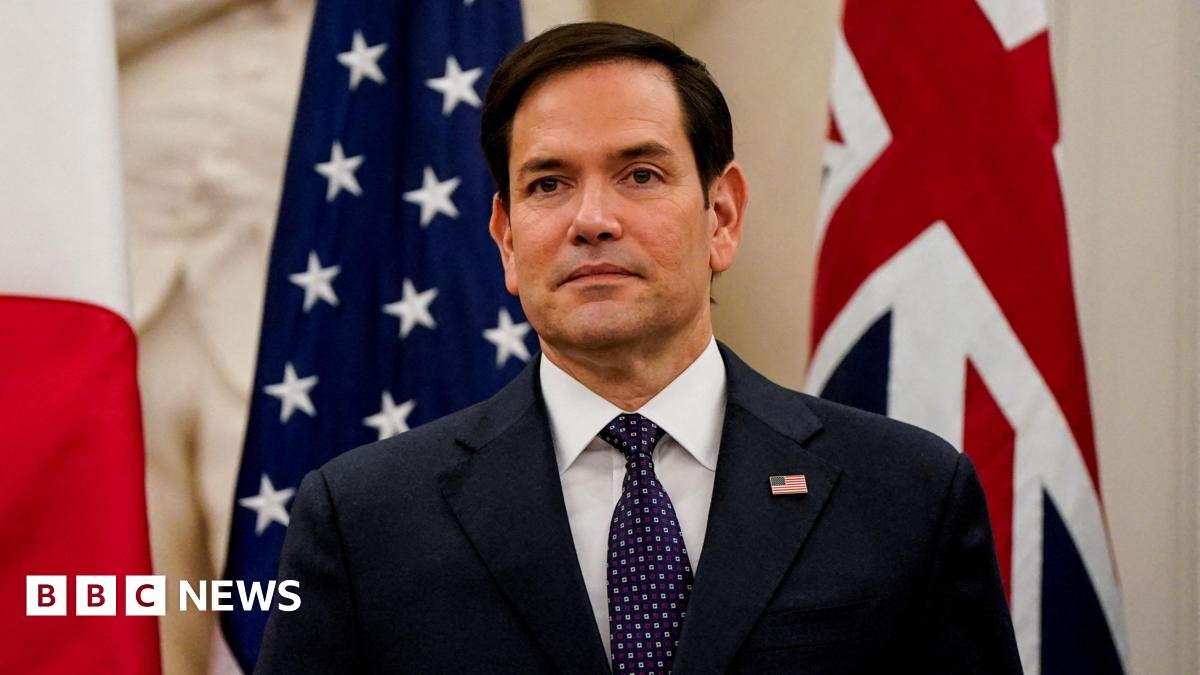
Beyond trade, what will be interesting to watch is what public statements the secretary of state makes on India’s role in the Iran war.
Rubio knows that India will always be reluctant to play any role beyond diplomacy in keeping the Strait open. Delhi is against Trump’s repeated exhortations to other countries to deploy military assets to ensure free shipping in the troubled waterway.